
A mountain trip is supposed to feel like a break, yet plenty of them turn into a long series of small logistical battles. You sit in traffic to reach something you could have walked to. You stand in a line that would have been empty two hours earlier. You spend money on things you only bought because you were tired, hungry, or already parked somewhere expensive. None of that is unavoidable. Almost all of it comes down to decisions made weeks before anyone packs a bag. A visit to Gatlinburg rewards people who plan the shape of the trip rather than the details, and the three things worth protecting are your driving time, your waiting time, and your budget.
Where You Stay Decides How the Week Feels
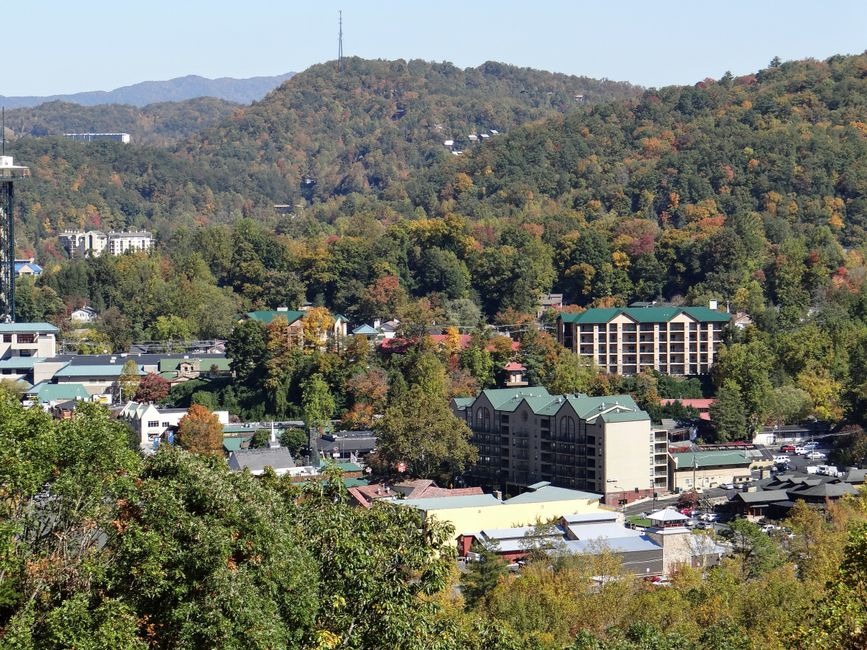
Most of the friction on a short trip traces back to distance, because every mile between the place you sleep and the places you actually want to be gets paid twice, once on the way out and once on the way back. Hotels are usually where that math quietly goes wrong, since a cheaper rate a few miles outside the center tends to cost more in fuel, parking, and wasted evenings than it ever saved at the time of booking.
A room on the main strip solves the problem before it starts, because anything within walking reach stops being a trip and becomes a decision you can make on the spot. The Appy Lodge is an excellent choice for a home base, especially if you’re tired of searching for hotels in Gatlinburg. Deciding on a place to settle down before arriving removes a surprising share of the small annoyances that follow.
Choosing the Right Weeks to Travel
Timing shapes everything else. The same street can feel open and unhurried in one week and shoulder to shoulder in another, and the difference has very little to do with luck. Late spring and the stretch between the end of summer and the start of leaf season tend to be the calmest, with mild weather and far shorter lines at the attractions people actually came for. Mid-October is beautiful and extremely busy. Holiday weekends concentrate a month of visitors into three days. If your dates are flexible by even a few days, moving a trip from Saturday arrival to Sunday or Monday arrival changes the entire texture of the visit, and it usually lowers the nightly rate at the same time.
Cutting Down Time Behind the Wheel
Driving is the quiet budget killer on a mountain vacation, and not only because of fuel. It eats the best hours of the day, it makes everyone irritable before anything fun has started, and it forces you into paid parking at exactly the moments when every lot is full. The simplest fix is to group your plans by geography instead of by interest. Keep one day entirely on foot in town. Give the national park its own day so you are not driving in and out of it twice. Save shopping and outlet stops for the day you arrive or the day you leave, since you are already in the car anyway.
Building an Itinerary That Can Breathe
Overpacked schedules are expensive. When a day runs late, people stop cooking decisions and start buying their way out of them, which means a rushed meal somewhere convenient, a parking fee that could have been avoided, and tickets bought at the counter instead of in advance. Two anchor activities a day is a sensible ceiling for most groups, and one is plenty if the group includes small children or anyone who tires easily. Leave the afternoons open. The unplanned hours tend to be the ones people remember, and they also act as a buffer so that one slow morning does not knock over everything behind it.
Keeping Spending Where You Meant It
Money leaks in small amounts. Coffee and snacks bought three times a day because nobody packed anything. Souvenir stops made out of boredom while waiting for a table. Parking paid repeatedly because the car moved four times in one afternoon. Setting a simple daily number before the trip, and deciding in advance which one or two experiences are worth paying properly for, makes the rest of the spending much easier to control. Bring a cooler with water and breakfast items. Walk to dinner when you can. Decide as a group what the splurge is, whether that is a guided outing, a nice meal, or tickets to something everyone has wanted to do, and let the smaller purchases stay small.
Packing So You Are Not Buying It Twice
Mountain weather changes faster than most visitors expect, and the gift shops know it. A cool morning turns into a warm afternoon and back into a cold evening, and anyone who packed for one of those three will end up buying a jacket at full price. Layers, a rain shell, and real walking shoes cover almost every scenario. Add a reusable water bottle, a basic first aid kit, and a phone charger for the car. These are small items that quietly prevent the kind of unplanned purchases that add up over several days.
Making the Quiet Hours Work for You
Early mornings and late evenings are the most underused parts of the day. Sunrise in the mountains is genuinely peaceful, the roads are empty, and photographs come out better. Evenings in town are easier to enjoy once the day visitors have gone home. Building a trip that starts early and slows down at night, instead of the opposite, gives you more of the place and less of the crowd, usually at no extra cost.
Planning Once, Relaxing Later
A good trip is not the one with the most activities on it. It is the one where nothing felt forced, nobody spent an hour in a car they did not need to be in, and the money went toward things everyone actually wanted. An hour of honest planning before you leave buys back far more than an hour once you arrive. Decide where you are staying, choose your dates with some care, group your days sensibly, and protect a little open time. The rest of the vacation tends to take care of itself.
Last Updated on October 15, 2026
