
Choosing a memorial involves more than selecting a color or approving an inscription. Families also need to know whether the material will withstand local weather, remain readable, and receive care over time.
Material choice affects durability, appearance, maintenance, and cost. A lasting memorial pairs suitable stone or metal with sound construction and a clear care plan.
The National Park Service’s account of preserving the Roosevelt grave monument explains that memorial materials deteriorate under weather exposure. Even durable materials need attention, making selection essential.

Start With the Memorial’s Purpose and Location
A headstone, bronze plaque, and family mausoleum have different material requirements. When planning an above-ground structure, discuss these requirements with a mausoleum builder before choosing finishes or decorative details.
Identify which components will face rain, direct sunlight, freezing temperatures, or irrigation. Interior flooring and sheltered carvings may experience different conditions from exterior walls and roof elements.
Confirm cemetery requirements for approved materials, dimensions, finishes, foundations, and installation procedures. Obtain written approval before ordering.
Then define what matters most to your family: architectural style, inscription clarity, maintenance expectations, or space for future names. These priorities help narrow material choices without relying on appearance alone.
Understand the Differences Between Common Materials
Granite
Granite is widely used for outdoor memorials and mausoleums because of its durability. However, stone sold under the same general name can differ in mineral composition, structure, and performance.
Request the stone’s source, technical specifications, and examples of completed work using that material. Ask whether it is suitable for the intended exterior application.
Marble
Marble offers a traditional appearance and is often selected for sculpture or decorative features. Its calcium carbonate content makes it vulnerable to acidic conditions, while surface erosion can gradually affect inscriptions.
Consider exposure and care requirements carefully. A sheltered marble feature presents different maintenance demands from an inscription standing outdoors year-round.
Bronze
Bronze is used for plaques, lettering, doors, and decorative elements. Its surface appearance can change with exposure, and protective finishes may require periodic attention.
Discuss the intended patina, mounting details, and maintenance procedure.
Match the Material to Local Conditions
Weather resistance is not a single quality. Moisture, temperature changes, pollutants, and biological growth affect materials differently.
In freezing climates, water entering cracks or openings can expand when it freezes. Good detailing should help shed water and limit places where moisture collects.
In shaded or damp settings, inspect how irrigation, nearby trees, and drainage could affect staining and biological growth. Do not assume that a polished surface eliminates these concerns.
Ask the designer to explain how the proposed material and assembly address the actual site. A familiar stone name is less useful than a clear explanation of expected performance.
Plan Maintenance Before Approving the Design
The National Park Service’s grave-marker cleaning guidance recommends gentle methods and warns against wire brushes, power washers, and harsh cleaners. Inappropriate cleaning can damage surfaces intended to preserve a family’s history.
Request written care instructions for each material. Stone, metal, glass, and joints may need different inspection schedules and treatments.
Clarify who handles routine care, who pays for specialist repairs, and whether cemetery maintenance includes the memorial itself.
Avoid treating every stain with household products. If a surface is cracked, flaking, or unstable, obtain professional advice before cleaning it. A maintenance plan should preserve original material rather than repeatedly removing it to restore a new appearance.
Remember That Construction Supports Durability
High-quality stone cannot compensate for inadequate foundations, poorly fitted joints, or ineffective drainage. For a mausoleum, material selection is one part of a larger building system.
Ask the project team about structural design, foundations, water management, and connections between components. Confirm which professionals are responsible for these decisions.
Discuss access for future inspections and repairs. A decorative feature that hides an important joint may complicate maintenance later.
Review warranties separately from promotional claims. Confirm coverage, exclusions, responsible parties, and required upkeep. The phrase “built to last” should be supported by specifications and contractual responsibilities.
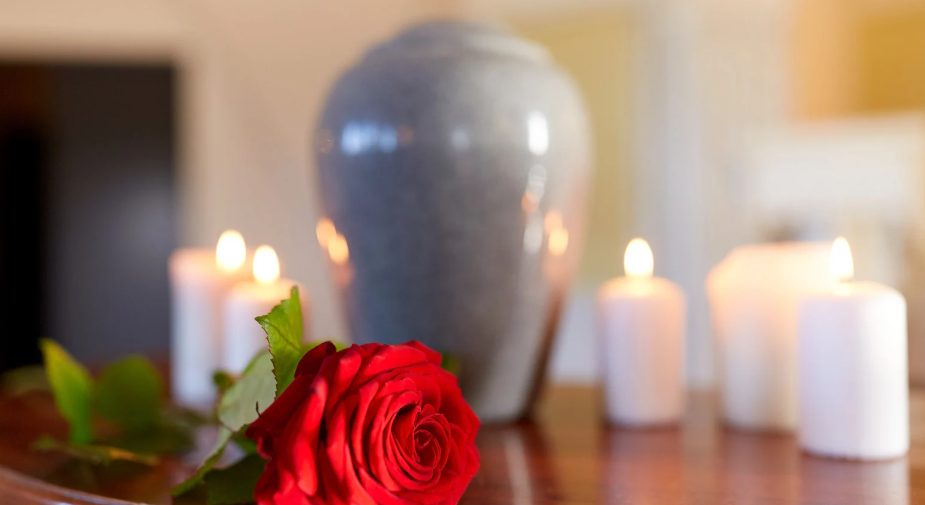
Check How Lettering and Finishes Will Age
The inscription is often the most personal part of a memorial. Its visibility depends on letter size, contrast, carving technique, surface finish, and placement.
Request a lettering sample on the proposed material. View it outdoors from normal reading distance.
Ask to see older installations with comparable exposure. These provide a more useful picture of aging than newly completed showroom samples.
Reserve appropriate space if additional names or dates may be needed. Confirm whether future lettering can match the original work and whether replacement panels are practical.
Compare Complete Proposals Before Deciding
Evaluate material, fabrication, delivery, installation, approvals, and maintenance together. A lower material price does not necessarily mean a lower completed cost.
Request itemized proposals and record the selected stone, finish, dimensions, and inscription method.
The right material respects your family’s preferences while meeting the site’s demands. Clear specifications and realistic care expectations help preserve both the memorial and the meaning it carries.
Frequently Asked Questions
Which material lasts longest outdoors?
There is no universal lifespan. Granite is a common durable choice, but performance depends on the specific stone, climate, installation, and care. Compare documented suitability for the intended setting rather than accepting an unsupported promise about centuries of service.
Does darker granite always perform better?
Color alone does not establish durability. Ask about the stone’s composition, physical properties, finish, and exterior performance. Compare inscription visibility using actual samples rather than assuming that darker stone is automatically stronger or more suitable.
Should every stone memorial be sealed?
No. Sealing depends on the material, finish, exposure, and intended treatment. Ask the supplier or a qualified conservator whether a product is appropriate. Do not apply a general-purpose coating without understanding its effects and future maintenance requirements.
Can different materials be combined in one memorial?
Yes, provided the design accounts for their different behavior and care needs. Stone, bronze, and glass can serve distinct purposes. Discuss connections, water runoff, movement, and replacement access so decorative combinations do not create avoidable maintenance problems.
Last Updated on October 15, 2026
