
Planning after someone dies is never just paperwork. It can feel heavy, rushed, and costly all at once, especially if no one is sure what the person would have wanted.
Broader trends are shifting, too: 63.4% is the projected 2025 cremation rate, according to NFDA’s 2025 Cremation & Burial Report.
Taking time to understand final arrangements options can make funeral planning less stressful and much more practical.
Families often weigh types of burial, cremation vs. burial, and end-of-life arrangements alongside faith, culture, budget, and environmental concerns. Clear information won’t erase grief, but it can make the next step feel possible.
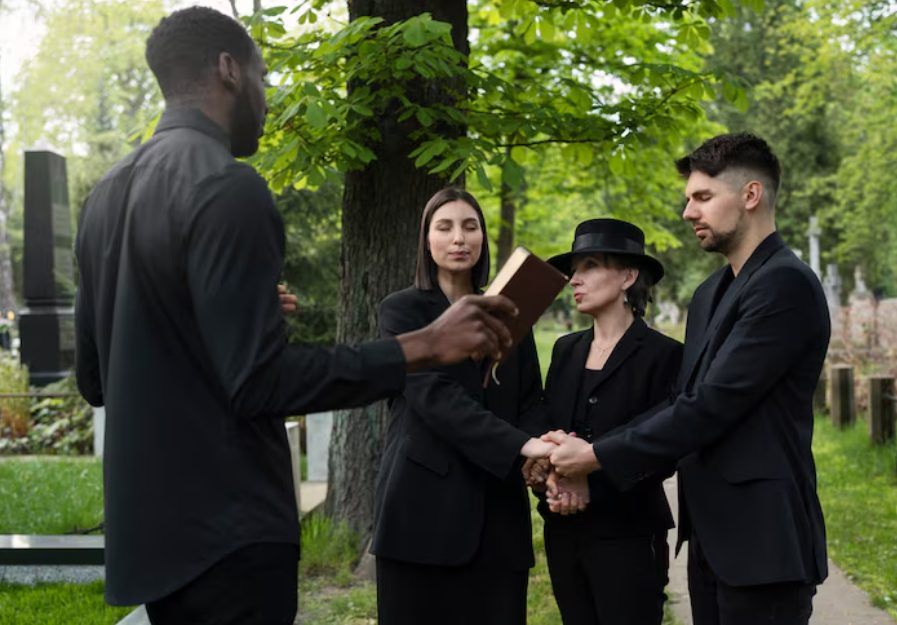
Looking at Final Arrangements Options for Peace of Mind
Before you choose anything, it helps to step back and think about values. What matters most to you? Simplicity? Tradition? Cost? A place for family to visit? Once those priorities are clear, the full range of final arrangements options becomes easier to sort through.
Phoenix has its own practical realities. It is a large desert city with many retirement communities, diverse faith traditions, and relatives who may live in other states. The heat, travel distance, and family logistics can make simple phone or online arrangements especially useful.
When families compare local options, Cremation in Pheonix az can fit naturally with plans that call for clear pricing, remote coordination, and direct guidance without unnecessary complication.
What the Choices Include
Final arrangements may involve burial, cremation, body donation, green burial, memorial gatherings, or no formal ceremony at all. Some people want quiet and privacy. Others picture music, food, photos, laughter, and stories that go late into the evening.
Why Family Impact Matters
The choice you make can affect expenses, travel, keepsakes, and where loved ones go to remember. It can also spare your family from painful guesswork during an already emotional week.
Once you see how many end-of-life arrangements are available, the next question is simple: how do you begin without getting overwhelmed?
Modern Funeral Planning: Practical First Steps
Planning becomes less intimidating when you break it into small, plain tasks. You do not need to settle every detail in one sitting. In fact, trying to do that often makes people avoid the conversation altogether.
Start With Personal Wishes
Write down your preference for burial, cremation, donation, or an environmentally focused option. Add details that matter to you, such as music, readings, religious customs, clothing, flowers, military honors, or who should be notified first.
Talk Before There’s a Crisis
A calm conversation at the kitchen table is far better than a frantic phone call from a hospital hallway. Cremation pre-planning gives families time to discuss personal wishes, compare costs, and make decisions without the pressure of an immediate loss.
More people seem to be planning ahead as well: Preneed services are growing the fastest by arrangement timing, with a projected 7.96% CAGR through 2031, supported by low current penetration and a large uncontracted customer base.
Put It in Writing
Share your written wishes with the person most likely to handle arrangements. A plan tucked away where no one can find it is, unfortunately, not much of a plan.
With wishes, documents, and family conversations started, you can look more clearly at the burial choices many families consider first.
Traditional Types of Burial Available Today
Once you have a basic planning foundation, burial options are easier to compare. The right choice may depend on religious tradition, cemetery rules, budget, and how much long-term care the gravesite may require.
In-Ground and Green Burial
Traditional in-ground burial usually includes a casket, cemetery plot, grave opening and closing, and a marker. Green burial may use a biodegradable casket or shroud and may avoid embalming where local rules allow.
Mausoleum, Natural Capsules, and Home Burial
Above-ground crypts can be easier for some families to visit and may align with certain customs. Natural burial capsules and tree-based memorials are newer choices. Home burial is allowed only in certain locations and usually requires local approval.
After comparing types of burial by cost, land use, tradition, and meaning, it is natural to look at how burial compares with cremation.
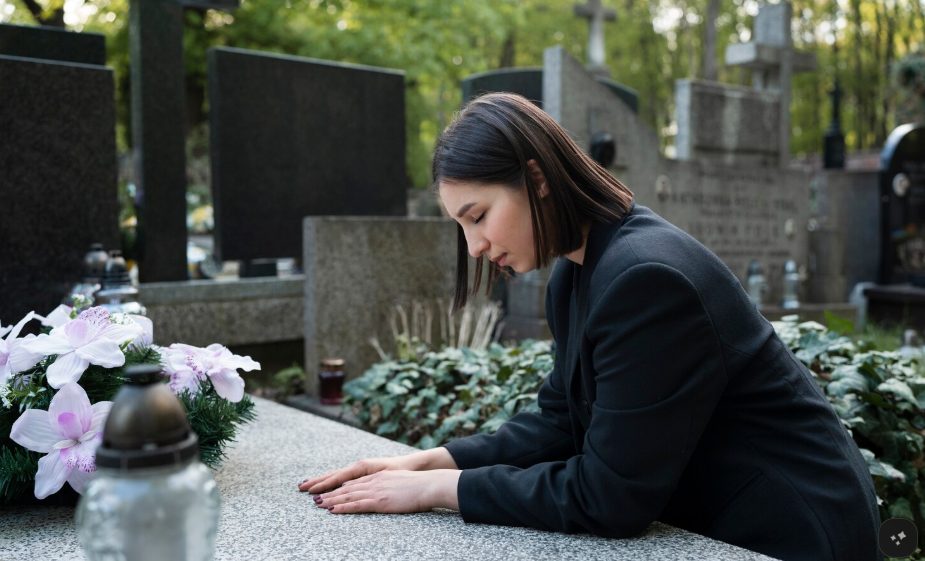
Comparing Cremation vs Burial: Key Considerations
After reviewing burial choices, many families want a practical look at cremation vs burial. Price matters, of course, but it is not the only issue. Timing, faith, travel, and the way people want to remember someone all play a role.
A Plain Comparison Table
| Choice | Common Fit | Personalization | Things to Ask |
| Cremation | Families wanting flexibility | Urns, scattering, keepsakes, services later | Who handles permits and return of remains? |
| Burial | Families wanting a fixed gravesite | Marker, flowers, graveside rites | What are cemetery and maintenance rules? |
| Green burial | Eco-minded families | Natural markers, simple ceremony | Is it legal and available nearby? |
| Mausoleum | Families preferring above-ground placement | Crypt plaques and visits | What are long-term fees? |
Time, Faith, and Memorial Style
Cremation can give families more time to plan a gathering, especially when relatives need to travel. Burial may better fit religious customs or a family’s desire for a physical place to visit.
Once you understand the main differences in cremation and burial, it helps to look at newer choices that are becoming more common.
Newer Final Arrangement Options Families Are Considering
Newer options can sound interesting, but the goal is not to choose what feels trendy. The better question is whether the choice reflects the person’s values and gives the family a clear way forward.
Water Cremation and Recomposition
Aquamation, also known as alkaline hydrolysis, uses a water-based process and is permitted in some states. Recomposition, often called human composting, turns remains into soil where state law allows it.
Memorial Reefs, Tree Pods, and Digital Tributes
Some families choose reef memorials, tree-based urns, or keepsake jewelry made with ashes. Others create virtual ceremonies, tribute pages, or QR codes on markers so future visitors can hear stories, view photos, and connect with the person’s life.
With these possibilities in mind, the real work is choosing what fits your beliefs, budget, and the people who will carry out the plan.
Choosing Support, Documents, and a Lasting Legacy
After you know what matters most, the next step is making the plan easy for others to follow. Funeral directors, spiritual advisors, and end-of-life planners can help turn preferences into specific actions.
Match Values, Faith, and Budget
A thoughtful plan respects beliefs, family traditions, and financial limits. Families looking for affordable final arrangement options can compare direct cremation, traditional burial, and simpler memorial services before making a decision.
If environmental impact matters, ask about natural burial, biodegradable urns, or water cremation where available.
Work With the Right Professional
Knowing the right questions to ask a cremation provider can help you avoid unexpected costs and confusion. Ask about licensing, itemized pricing, permits, transportation, timelines, and what happens if death occurs away from home.
Local knowledge matters because requirements can vary by city, county, cemetery, and provider.
Protect Papers and Digital Details
Keep wills, powers of attorney, insurance policies, pre-need contracts, and beneficiary records in a secure, accessible place. Organize important digital information, including online accounts, subscriptions, and passwords, so trusted family members can find what they need when the time comes.
Once the legal and practical details are handled, you can focus on a more personal question: how do we honor this life well?
Honoring Loved Ones and Finding Support
When the paperwork is organized, memorial decisions often feel less pressured. A service does not need to be formal to be meaningful. It just needs to feel honest.
Memorials With Heart
Families may hold a backyard meal, church service, graveside gathering, online tribute, scholarship fund, or charity donation. Often, the smallest details speak loudest: a favorite song, a handwritten recipe, work tools, team colors, uniforms, photos, or a story everyone knows by heart.
Where Families Can Get Help
Support may come from grief counselors, hospice teams, clergy, social workers, veterans’ groups, and local assistance programs. National organizations can also explain consumer rights, green options, and basic funeral price rules.
Final Thoughts on Thoughtful End of Life Arrangements
Good planning cannot remove grief, but it can reduce confusion when emotions are running high.
By comparing final arrangements options, writing down end-of-life arrangements, and talking through preferences early, families gain clarity, cost control, and peace of mind. Review burial, cremation, green choices, memorial ideas, and essential documents before decisions become urgent.
Then share the plan with someone you trust. A calm conversation today can become a lasting gift when your family needs it most.
Common Questions About Final Arrangements Options
Dave Ramsey generally urges caution with prepaid funeral plans. His advice often points people toward saving money, keeping wishes written down, and making sure any plan is refundable, transferable, and clearly priced before signing.
The face may be covered as a sign of respect and privacy before the casket is closed. It can also help family members move from viewing to farewell, especially during a formal service or final prayer.
No. Cremation can still include a viewing, funeral, graveside service, celebration of life, scattering ceremony, urn placement, or keepsake memorials. The main point is choosing what helps loved ones grieve, remember, and feel connected.
Last Updated on October 15, 2026
