
Who is actually responsible for your injuries in a rideshare accident? It’s a great question with a variety of different factors affecting the answer.
Truth be told, it’s not always as straightforward as it would be in a regular car crash. Uber isn’t a taxi company and they’re very clear about the fact that drivers aren’t employees. Insurance coverage changes depending on what the driver was doing at the moment of the accident. And because there are multiple parties involved, each one may try to point the finger at someone else.
Understanding how liability works can make a big difference in how you protect yourself after the crash.
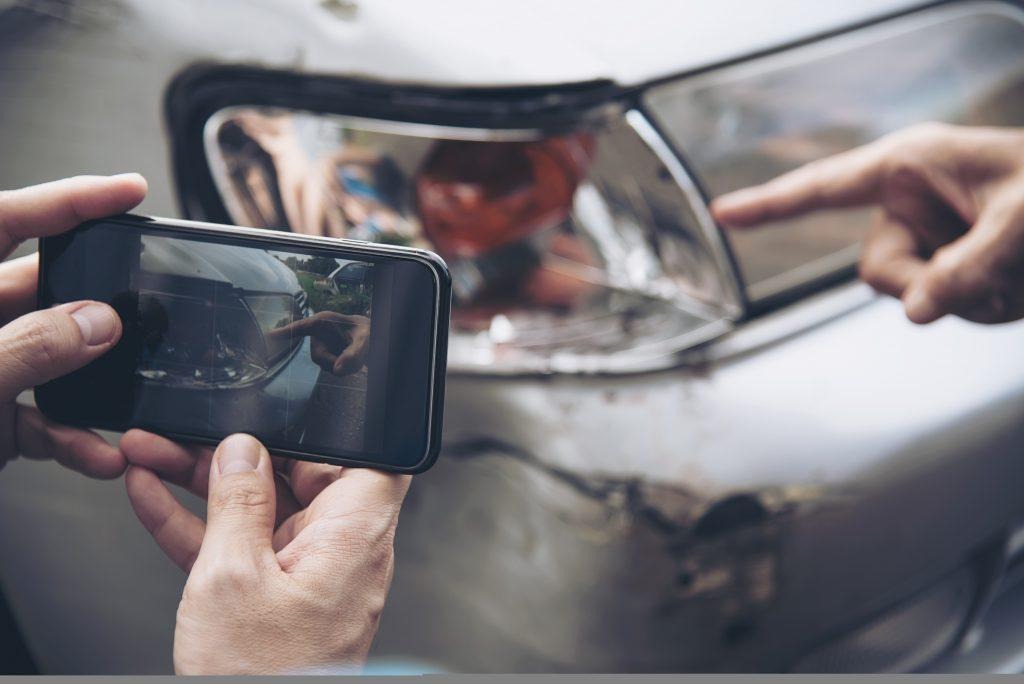
The Driver’s Status Determines the Insurance Coverage
Let’s start with one of the most confusing parts of an Uber accident: The driver’s “status” within the app. It sounds technical, but it matters more than almost anything else.
Rideshare insurance coverage shifts depending on what the driver was doing at the time of the crash. Here’s the basic breakdown:
- Driver is offline (not logged into the app). This is treated like any other car accident. Only the driver’s personal auto insurance applies.
- Driver is online and waiting for a ride request. Uber provides limited liability coverage – often much lower than what you’d expect. If the driver causes a crash, Uber’s contingent liability policy may cover injuries, but it won’t be the same large policy used during active trips.
- Driver has accepted a ride or is carrying a passenger. This is the strongest level of coverage. Uber provides a $1 million commercial liability policy, plus additional coverage for uninsured or underinsured motorists.
The protection depends completely on which of these three phases the driver was in. And because most passengers don’t know this at the time of the crash, many don’t realize how important it is to document the ride status.
When the Uber Driver Is at Fault
If the accident happens because your driver was speeding, distracted, ran a light, or just made a careless mistake, liability is usually placed on them. When they’re actively carrying you as a passenger, Uber’s larger commercial policy typically comes into play.
This is the scenario most people picture – the one that seems the most obvious. But even then, the claims process is complex. Uber’s insurance team may push back, minimize injuries, or argue that the crash wasn’t as severe as you claim. That’s why early documentation and medical care are so critical. You want to eliminate any opportunity for their insurer to dispute what happened. This is also why you should hire a car accident attorney right away. They can help ensure you make all the right decisions after a crash.
When Another Driver Causes the Crash
Here’s where things get more complicated. If another driver hits your Uber – and that driver is responsible for the crash – their insurance becomes the first layer of coverage. But if that driver is uninsured, doesn’t have enough insurance, or flees the scene, Uber’s own uninsured/underinsured motorist coverage may step in.
You may also have multiple claims happening at the same time:
- A liability claim against the at-fault driver
- A potential uninsured motorist claim through Uber
- A medical payments or personal injury claim depending on your own coverage
This stacking of policies is one of the things that makes rideshare cases more complex than traditional car accidents. Another driver’s negligence doesn’t remove Uber from the picture – it just changes how many insurance layers get involved.
What If Both Drivers Share Fault?
Accidents aren’t always simple. Sometimes both drivers play a role – one was speeding, the other was distracted, or a mix of mistakes created the perfect storm.
In these cases, fault may be split. Insurance companies negotiate percentages, and claims may be paid out according to each party’s share of responsibility. What matters most from your side is proving what happened. Photos, witness statements, dashcam footage (your driver may have it), and police reports help paint a clearer picture.
When Uber Themselves Might Share Responsibility
Uber has spent years arguing that its drivers are independent contractors, not employees. That distinction allows the company to distance itself from direct fault in many cases. However, Uber isn’t immune from liability.
The company may share responsibility if:
- The driver had a known history of reckless behavior
- They failed to screen the driver properly
- Their system malfunctioned (for example, a glitch causing navigation errors)
- App design pushed the driver toward distracted driving
These cases are more difficult to prove, but not impossible. They require digging into Uber’s policies, records, and driver background screenings.
Liability Depends on the Details
Unlike traditional car crashes, rideshare accidents involve more players, more insurance policies, and more opportunities for the companies involved to shift blame. When you’re injured in an Uber, liability isn’t just about who caused the crash. You shouldn’t have to untangle all of that on your own while dealing with physical pain and financial stress. Find an attorney and work closely with them to get all the wrinkles of your case smoothed out in a way that’s favorable to you.
Last Updated on June 18, 2026
