
Rideshare services quietly rewired how we move through cities. Tap a button, a stranger shows up, you’re on your way. It’s convenient, mostly safe, and wildly common. But here’s the thing nobody tells you until it’s too late: when an Uber is involved in a crash, the claims process you’re about to enter looks almost nothing like a regular car accident.
There are more insurance policies involved, a corporate machine on the other end of the phone, and app-specific rules that can make or break your recovery.
Getting familiar with the difference between Uber and regular car accident claims before you ever need it? That’s the kind of preparation that actually pays off.
Research found that after Uber launched in Houston in 2014, motor vehicle collision traumas dropped by 23.8% on Friday and Saturday nights, yet rideshare crashes still happen regularly, and when they do, the claims process is far more layered than most people expect.

What Actually Sets Uber Accident Claims Apart From Regular Car Crashes
Let’s start with something simple. A regular two-car collision is already stressful. Now layer in a passenger, a corporate insurer, app data, and three overlapping insurance periods. That’s what an Uber crash looks like from the inside.
The people affected aren’t just passengers. Another driver hit by an Uber, a pedestrian, or even the Uber driver themselves all face a very different recovery road than someone in a standard fender-bender.
A few factors drive all of this complexity. Multiple insurance policies may apply at once. The driver’s app status at the precise moment of impact determines which coverage actually kicks in. Corporate risk teams, not friendly neighborhood adjusters, tend to run the process. And digital data pulled straight from Uber’s platform often becomes the most critical evidence in the room.
The rideshare industry has grown at a CAGR of 24.7% over five years, reaching an estimated $21.0 billion in 2025, and that kind of scale demands centralized, corporate-level claims infrastructure.
That infrastructure is not built with injured people in mind. It’s built to manage risk.
App Status, The Rule That Changes Everything
Here’s what surprises most people. Uber accident insurance coverage doesn’t stay constant. It shifts depending on what period the driver was in when the crash happened.
Period 0: app is off. It’s treated exactly like a standard crash, only the driver’s personal policy applies.
Period 1: app is on, no ride accepted yet. Only contingent, lower-limit coverage exists, layered over personal insurance that may already be reluctant to pay.
Period 2 kicks in when a driver accepts a ride and heads toward the pickup. Uber’s full commercial policy, potentially $1 million in liability coverage, becomes active here.
Period 3 covers the time a passenger is actually riding.
In a regular crash, none of this exists. A personal policy applies regardless of what the driver was doing on their phone. That’s the world most people understand. Uber crashes live in a completely different one.
Rideshare Claims Bring Multiple Policies, and Multiple Exclusions
A typical personal auto policy covers liability, PIP, and UM/UIM. Add Uber to the picture, and suddenly there’s a corporate liability policy, contingent collision coverage carrying significant deductibles, and real gaps if the driver never added a rideshare endorsement to their personal plan.
When you need someone who can identify every overlapping policy and keep commercial-use exclusions from being weaponized against you, expertise that matters enormously given Tampa’s dense rideshare activity near Ybor City, the Riverwalk, and the airport corridor, a Tampa Uber Accident Lawyer is well-equipped for exactly that task.
How Coverage Actually Flows After a Rideshare Crash
Multiple policies sound manageable until you’re trying to figure out which one controls your claim at 10 p.m. on a Tuesday after a crash.
Coverage typically moves in this sequence: your personal PIP applies first, then the at-fault party’s liability, then Uber’s commercial policy, then UM/UIM coverage if gaps remain. In a routine two-car accident, that chain is much shorter. Usually one liability policy and your own PIP. Done.
Uber’s Corporate Adjusters Don’t Play Like Local Ones
No local adjuster sitting nearby is managing your rideshare vs car insurance claim. Large national insurers and third-party administrators handle these cases on Uber’s behalf, and they arrive with very specific playbooks designed to reduce payouts.
Common tactics include pushing for recorded statements early, offering fast settlements before injuries are fully understood, and disputing which app period was actually active during the crash. Most of these moves never appear in ordinary two-car cases handled by regional insurers. They’re rideshare-specific, and they’re deliberate.
Uber Drivers Face Painful Coverage Gaps Too
Drivers often end up in the most complicated position of anyone in the system. During Period 1, a personal insurer may deny the claim entirely due to commercial-use exclusions, while Uber’s contingent coverage doesn’t fully fill that hole.
Collision deductibles under Uber’s policy can hit $1,000 or more, leaving drivers personally on the hook for vehicle repairs.
A regular driver files one claim. An Uber driver during Period 1 may simultaneously chase three separate coverage sources. That’s genuinely difficult, and most people don’t realize it until they’re already in the middle of it.
Why Fault Is Harder to Assign in Rideshare Crashes
Fault in a rideshare collision rarely lands cleanly on a single party. That messiness ripples outward into every part of the claim.
When Both Drivers Share Responsibility
Imagine an Uber driver blowing through an intersection too fast while another driver runs a red. Both contributed.
Florida’s comparative negligence rules reduce compensation by the injured party’s share of fault, but when you add multiple policies and multiple at-fault drivers, the calculation turns into a genuine legal puzzle. In a standard two-car crash, the story is usually simpler.
Digital Evidence Changes the Game
Every Uber trip leaves a traceable digital trail, GPS routes, timestamps, speed data, in-app messages, and trip receipts. This data can establish exactly what the driver was doing at the moment of impact, which app period was active, and whether the route made any sense.
Standard crash cases rely on police reports, photos, and witness statements. The depth of digital evidence in Uber crashes is genuinely different. An experienced uber accident lawyer knows precisely what to request, and more importantly, how fast to request it before records get overwritten.
What You Should Actually Do After a Rideshare Crash
The steps you take immediately after a rideshare accident differ meaningfully from what you’d do after a standard collision. Not slightly, meaningfully.
Right After the Crash
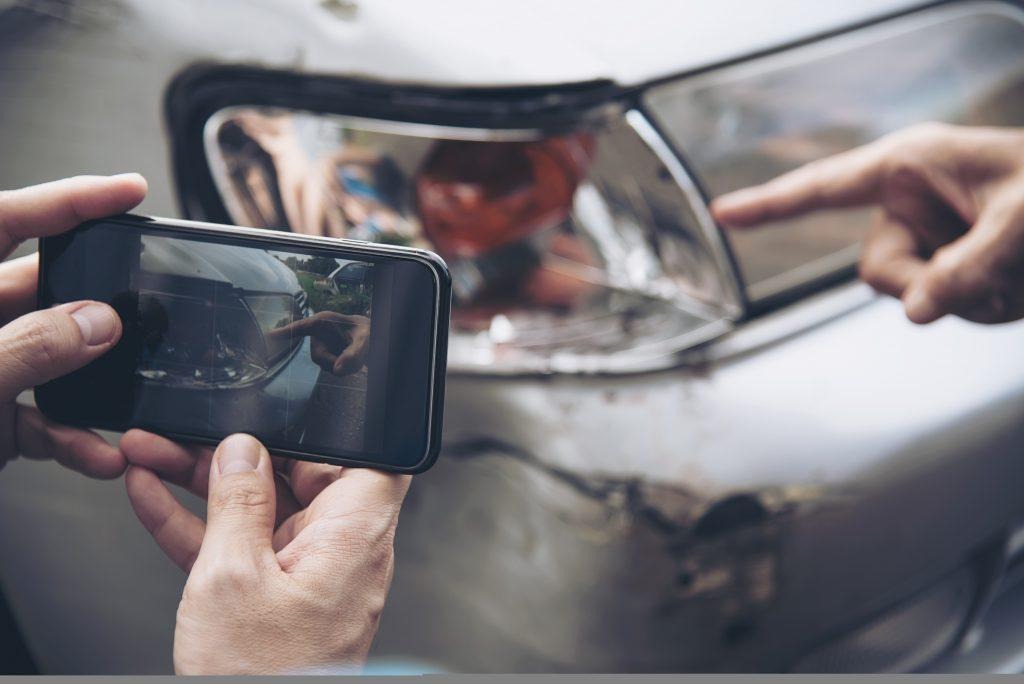
Medical care comes first. Always. After that, use the Uber app’s “Report an accident” feature and screenshot everything you can see: your trip details, the driver’s profile, the ride receipt. Do it before closing the app. Collect contact information from every driver, passenger, and witness present.
None of this exists in a normal crash. That app data can be the deciding factor between a straightforward claim and one that drags on for months.
Why These Claims Take Longer
Getting even a claim number from Uber’s insurer can take days. Coverage determinations require corporate sign-off. Treatment, negotiation, and possible litigation can stretch a rideshare claim far beyond the timeline of a regular two-car accident.
Building documentation habits from day one makes the whole process more manageable, and protects you when things get complicated later.
Mistakes That Can Quietly Sink a Rideshare Claim
Small errors have bigger consequences here than in ordinary crashes.
Guessing about app status in an early recorded statement? That can give insurers grounds to deny coverage entirely. Assuming Uber will preserve the trip data automatically? Risky, collect screenshots, photos, and witness details yourself, manually, on the spot.
And delaying medical attention even 48 to 72 hours gives corporate adjusters a convenient argument that injuries were minor or unrelated to the crash altogether.
What You Should Take Away From All of This
Uber crashes look like car accidents from the outside. Inside, they’re something else entirely, different insurance layers, corporate claims teams with specific agendas, app-period rules that control coverage, and digital evidence that can vanish if you don’t move quickly.
Knowing these differences before you give a recorded statement or accept an early settlement offer can genuinely change your outcome. If you’ve been hurt in a rideshare crash, talking to someone who handles these cases every day isn’t just a good idea.
For most people navigating this process alone, it’s the most important call they can make.
Frequently Asked Questions
Can I get compensation if I was hurt in an Uber crash?
Yes. You can pursue compensation from the Uber driver’s insurance or from the driver of another vehicle involved. In certain situations, claims against a local municipality for hazardous road conditions or against a vehicle manufacturer for mechanical defects may also apply.
What kind of settlements do Uber accident cases reach?
| Injury Severity | Typical Recovery Time | Estimated Settlement Range |
| Moderate (fractures, herniated discs) | 1–6 months | $30,000–$100,000 |
| Severe (TBI, spinal injuries, surgery) | 6+ months / permanent | $100,000–$1,000,000+ |
Last Updated on April 7, 2026
