
Car accidents in Farmers Branch, TX, commonly involve rear-end collisions, T-bone crashes, sideswipes, head-on impacts, single-vehicle crashes, and pedestrian or bicycle strikes. These accidents often result from driver errors, unsafe choices, road conditions, or violations of traffic laws.
Farmers Branch is located in Dallas County and is served by major roadways, including Interstate 35E, Interstate 635 (LBJ Freeway), and the President George Bush Turnpike, which connect the city to the greater Dallas–Fort Worth metroplex.
With heavy commuter and commercial traffic moving through these corridors each day, collisions ranging from minor crashes to serious multi-vehicle accidents can occur. If you have been injured in a collision caused by another driver’s negligence, consulting a qualified Farmers Branch accident attorney can help you understand your legal options, determine liability, and pursue compensation under Texas law.
Below are some of the most common car accidents seen on Texas roads.
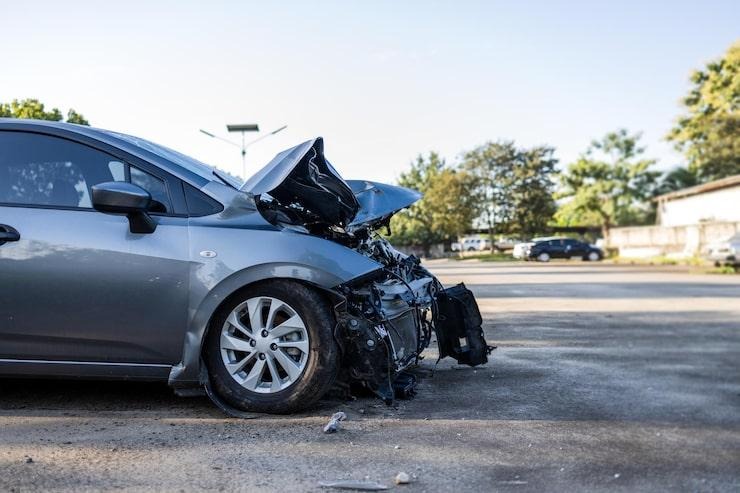
Understanding the Most Common Car Accidents
Rear-End Collisions
One of the most common types of collisions in the Dallas region is rear-end collisions. They often happen at traffic signals, stop signs, and congested roads when drivers follow too closely, fail to react quickly, or become distracted.
Under Texas law, negligent driving may create liability when a driver’s actions cause another person’s injuries.
Angle (T-Bone) Collisions
When a car runs a red light, ignores a stop sign, or fails to yield, angle crashes usually happen near intersections. These collisions can be quite dangerous, since the sides of an automobile offer less protection than the front or rear sections.
Sideswipe Collisions
Sideswipe accidents commonly occur during lane changes, merging, or passing. Drivers who do not check mirrors, blind spots, or surrounding traffic may strike another vehicle. Although these crashes may appear minor, they can cause drivers to lose control and create additional collisions.
Head-On Collisions
Head-on collisions carry a high risk of serious harm because the force of two vehicles moving toward each other combines during impact. Common causes include crossing lane lines, wrong-way driving, unsafe passing, and distracted or impaired driving. Texas negligence rules may apply when a driver’s conduct contributes to the crash.
Single-Vehicle Crashes
Single-vehicle accidents involve impacts with fixed objects, such as barriers, poles, trees, or structures, as well as rollover events. These crashes may result from speeding, poor vehicle control, fatigue, weather conditions, or impaired driving.
Even without another driver involved, insurance and liability issues can still arise.

Pedestrian and Bicycle Strikes
Pedestrian and bicycle accidents often happen in areas where foot traffic and vehicles share space. Drivers who fail to yield, miss crossings, or become distracted can cause serious injuries to vulnerable road users.
According to the Centers for Disease Control and Prevention, traffic injuries are a significant public health concern that calls for preventative measures.
Steps Should Drivers Take After a Crash
After an accident, taking proper steps can protect a person’s legal rights and create accurate records.
- Document the scene with photos, vehicle details, and road conditions
- Exchange required information with other involved parties
- Report the crash when required under Texas law
- Seek medical attention for injuries or symptoms
- Keep records of expenses, repairs, and communications
Evidence can become harder to collect as time passes. Witness memories may fade, vehicles may be repaired, and accident details can become unclear. Prompt documentation helps establish what happened and supports a fair review of injury claims.
Key Takeaways
- Rear-end collisions often result from following too closely or distraction.
- T-bone crashes frequently happen when drivers violate intersection rules.
- Sideswipes commonly involve unsafe lane changes or merging errors.
- Head-on crashes can cause severe injuries due to impact forces.
- Single-vehicle accidents may involve speed, fatigue, or loss of control.
- Pedestrian and bicycle strikes require careful attention from all road users.
Last Updated on July 29, 2026
