
Traffic accidents often increase when schools reopen because more vehicles, school buses, pedestrians, and bicyclists share the roads during busy morning and afternoon hours. Increased traffic congestion and reduced attention in school zones can contribute to a higher risk of crashes.
The start of a new school year also changes daily traffic patterns. Parents, students, teachers, and school buses travel at similar times, creating heavier traffic near schools and surrounding neighborhoods than during the summer months.
Understanding why traffic accidents during back-to-school season become more common can help drivers recognize potential hazards and adopt safer driving habits to protect children and other road users.
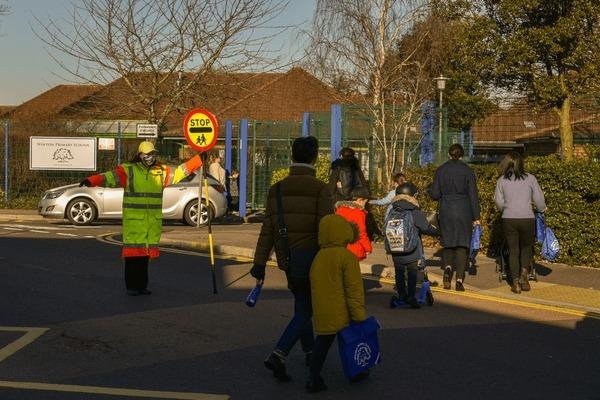
Increased Traffic Volume Around Schools
School reopening brings thousands of additional vehicles onto the roads during drop-off and pickup hours. Congestion often develops near school entrances, intersections, and pedestrian crossings.
Drivers may encounter frequent stops, longer wait times, and unexpected lane changes. These conditions increase the likelihood of rear-end collisions and other traffic incidents.
Planning extra travel time can help reduce rushed driving behaviors.
More Children Walking and Biking
Many students walk or ride bicycles to school, especially in residential neighborhoods. Younger children may have difficulty judging vehicle speed or recognizing traffic hazards.
Drivers should remain alert near crosswalks, sidewalks, and school entrances. Reduced speeds provide more time to react if a child unexpectedly enters the roadway.
Distracted Driving Increases Crash Risk
Heavy traffic may tempt drivers to check navigation systems, mobile phones, or other distractions while waiting in congestion. Even a brief distraction can reduce reaction time in busy school zones.
Parents dropping off children may also become distracted while assisting passengers. Remaining focused on the road helps improve safety for everyone.
School Zone Laws and Traffic Regulations
Most states enforce reduced speed limits in designated school zones and impose higher penalties for violations. Drivers are generally required to stop for school buses displaying flashing red lights under state traffic laws.
The National Highway Traffic Safety Administration (NHTSA) promotes safe driving practices in school zones, while the Federal Highway Administration’s Manual on Uniform Traffic Control Devices (MUTCD) establishes national standards for school zone signs.

How Drivers Can Help Prevent Accidents
Slowing down in school zones, eliminating distractions, and watching carefully for pedestrians are effective ways to reduce crash risks. Drivers should also obey crossing guards and remain patient during busy pickup and dismissal periods.
Parents can further improve safety by teaching children how to cross streets properly and encouraging them to use designated crosswalks. Schools and communities also play an important role by promoting traffic safety education.
Key Takeaways
- Traffic accidents often increase when schools reopen because of heavier traffic and more pedestrians.
- School zones require extra attention from every driver.
- Distracted driving significantly increases the risk of crashes near schools.
- Children walking or biking to school are especially vulnerable to traffic hazards.
- School zone speed limits and school bus laws help improve public safety.
- Drivers can reduce accidents by slowing down, staying alert, and following traffic laws.
- Safe driving habits protect students, families, and everyone sharing the road.
Last Updated on July 30, 2026
