
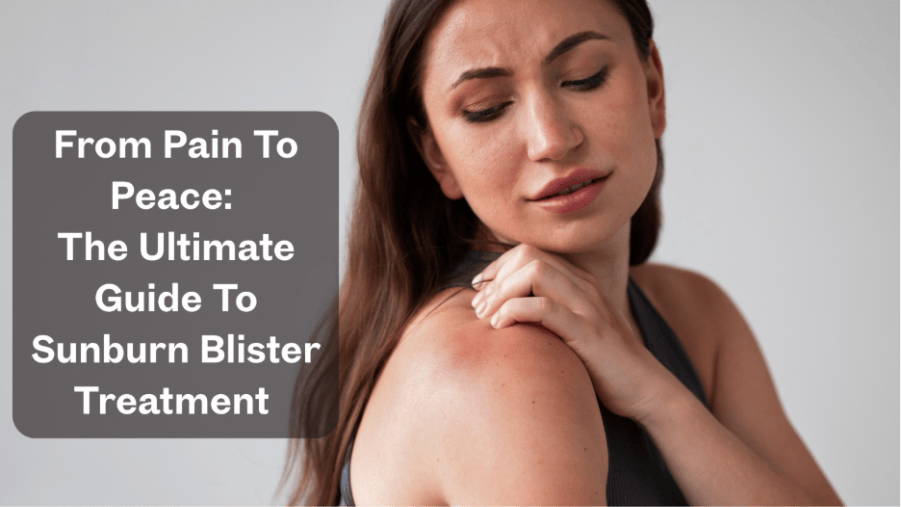
Sunburn blisters are the worst thing to happen to sunny adventures. One minute you are relaxing under the sun or spending a day out, and the next minute, your skin is tight, hot, and swollen.
Blisters are also an indication of more serious damage, in contrast to regular sunburns. Such burns are no longer confined to the skin’s surface, but consist of fluid-filled pockets surrounding delicate tissue as it regenerates.
Sunburn blisters are not only painful but can also increase your susceptibility to infection, scarring, and long-term skin problems unless treated correctly. Thus, it is essential to understand what you need to do and what will help you take care of your skin over the next few days.
The good news?
By following the correct process, you can alleviate pain, minimize complications, and provide your skin with the most favorable conditions for easy recovery. This guide discusses everything: the real nature of blisters, their duration, the safest ways to treat them, when to see a doctor, and clever ways to avoid them.
What Exactly Are Sunburn Blisters?
Sunburn blisters occur as UV radiation penetrates deeper into the skin, destroying the epidermis (outer layer) and a section of the dermis (second layer). The body, as a result, reacts by developing fluid-filled sacs to cushion the injured tissue underneath.
Depending on severity, the blisters can appear either small and bubble-like or occupy a larger area, depending on the extent of the burn. Furthermore, they are usually sensitive to touch, which may make even simple tasks like showering and dressing painful.
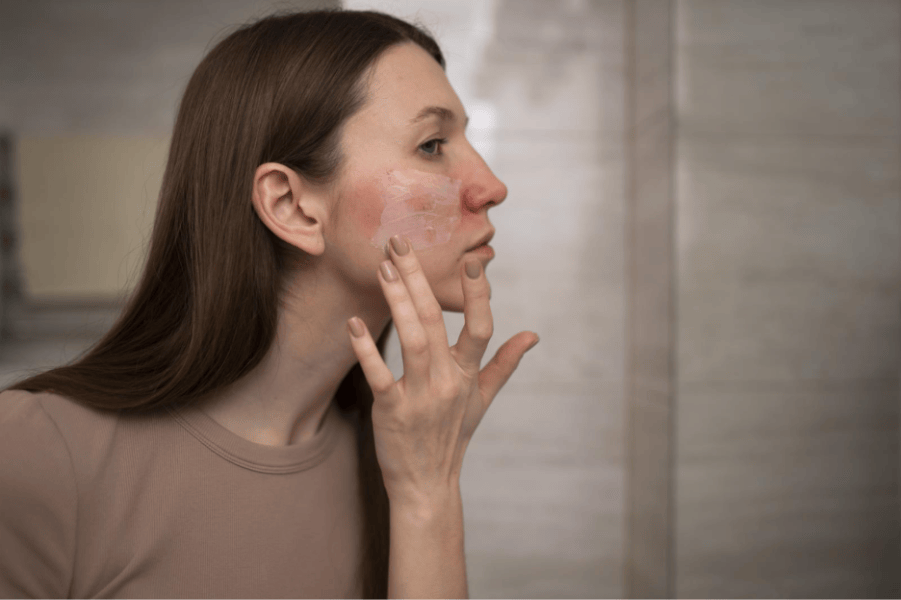
Although blisters are an outcome of natural defense of the body, it is also a way to know that you have a severe case of sunburn, and that it will take longer to heal. That is, for effective sunburn blisters treatment, it’s best not to pop them because it may increase the risk of infection.
Rather, maintain the skin at room temperature, apply aloe vera or an unscented moisturizer, protect (with sterile gauze) when necessary, and use an over-the-counter analgesic to alleviate pain. A medical practitioner should treat severe cases that involve extensive blisters, fever or chills.
Initial Steps of Immediate Care Matters
Your response during the first hours may influence the healing process:
- Get Out of the Sun: Being exposed to the sun will only add to the burn and make things worse.
- Cool Gently: Wipe with a clean, damp dress cloth, or sit in a cool bath.
- Do Not Use Ice: Applying ice may result in extra skin tension.
- Use Over-the-counter Anti-inflammatories: NSAIDs (like ibuprofen) can help reduce pain and redness for about 24-36 hours after doses.
- Rehydrate Inside and Out: Drink more water to replenish lost fluids and apply fragrance-free, soft moisturizers or aloe vera gel to seal in the moisture.
- Leave Blisters Alone: When possible, leave the area bare or loosely clothed to prevent friction.
- Optional Remedies (With Caution): High-dose vitamin D3 taken once early after the burn has been shown to reduce redness and speed healing in some studies.
These are the basic steps that initiate the process of reducing inflammation and promoting recovery.
What To Avoid?
It is equally noteworthy that you should know what not to do:
- Do not use petroleum jelly or viscous oils. They trap heat on already damaged skin.
- Strong anesthetic creams should be avoided. Anesthetic creams have the potential to irritate sunburns or cause an allergic reaction.
- Don’t scratch or peel. Let skin shed naturally. Picking may slow down the healing or cause scars.
- Avoid tight clothes. Blisters should not be rubbed or pressed against anything that may break them open.
When To Seek Medical Attention?
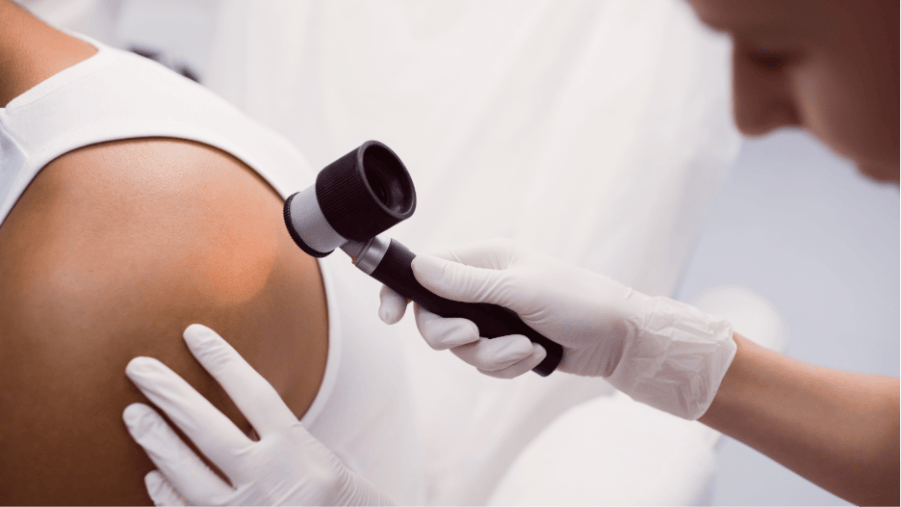
Most sunburn blisters can be treated at home. However, there are also cases when professional care is required:
- Blisters over a big part of your body.
- They are on your face, genitals, hands or feet.
- You experience a fever, chills, nausea or dizziness.
- Symptoms of infection appear (redness, swelling, pus or red streaks are increasing)
- Severe pain that is not relieved by home remedies.
In such cases, medical advice helps to avoid complications and achieve a quicker recovery.
How Long Do Sunburn Blisters Last?
Healing is based on severity. However, the following is a rough timeline:
- Mild Blistered Burns: Get better in 5-7 days, as blisters dry up, and skin starts to peel.
- Moderate Burns: Requires 1-2 weeks, and the effect of redness disappears slowly, and the skin is sensitive.
- Serious Cases: It may take several weeks before full recovery, particularly where the deep layers are involved or when the injection sets in.
Your skin can be sensitive even after the blisters have healed. Cover the place of the wound with sunscreen and clothing for weeks after to avoid infections.
Prevention: Avoiding Blisters in the First Place
Prevention is the ideal treatment for sunburn blisters. Smart prevention includes:
- Use a general-purpose sunscreen (SPF 30 or above).
- Cover yourself with large hats, sunglasses and long sleeves.
- Stay in shade during the most intense hours of UV, i.e.,10 AM to 4 PM.
- Avoid tanning beds. They have similar damaging effects on the skin as those of natural UV rays.
- With regular prevention, painful blisters do not have to be part of your summer story.

Bottomline
The sunburn blisters are a constant, painful reminder of the power of the sun. Mostly they heal in a period of one to two weeks, and with careful attention, it becomes less painful, besides minimizing the chances of infection or scars.
You should allow your body to heal on its own. Ensure that the blisters should not be burst, the skin is cool and moist, and seek medical assistance when necessary.
More importantly, prevention is equally significant. Through sunscreen application, protective clothing and other habits that are safe in the sun, you can significantly decrease the chances of blisters in the future.
Last Updated on September 19, 2025
