
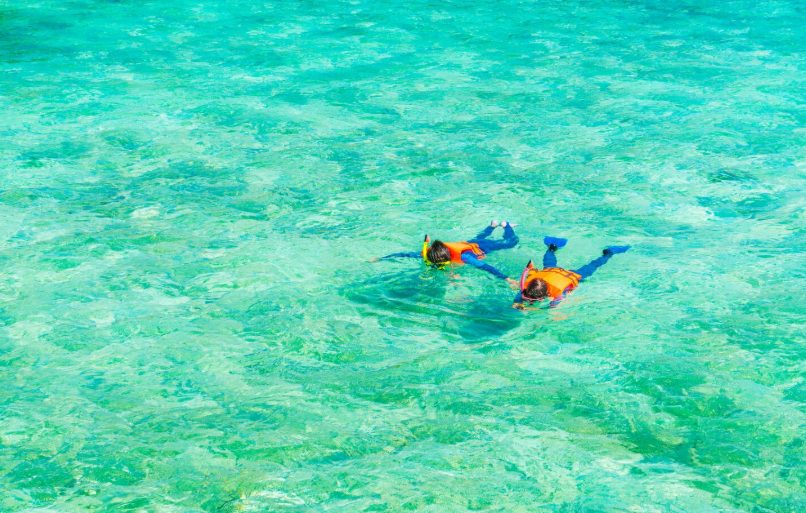
Taking kids snorkeling ranks among the most magical family travel experiences. Watching your child’s eyes go wide behind a mask as a sea turtle glides past? Unforgettable. But that magic comes with responsibility.
Coral reefs are fragile ecosystems under pressure from climate change, pollution, and yes, well-meaning visitors who don’t know the rules. The good news: kids are natural conservationists once they understand what’s at stake. A few simple lessons before you hit the water can turn your family into reef protectors, not accidental reef damagers.
This guide covers everything parents need to know about snorkeling etiquette for kids, from buoyancy basics to wildlife distance rules to the exact cue words that help children remember what to do underwater.
Start With the Why: Reefs Are Alive
Before you talk about rules, help kids understand why the rules exist. Abstract concepts like “ecosystem” don’t stick. Concrete facts do.
The Quick Kid-Friendly Explanation
Corals are animals, not rocks. This surprises most adults too. Those colorful formations are colonies of tiny creatures called polyps. They’re alive, they grow slowly (some species add just one inch per year), and they’re covered in a thin living tissue that’s easily damaged.
Here’s what actually harms them:
- Sand kicked up by fins smothers polyps and blocks sunlight
- Standing or touching breaks branches and scrapes away protective tissue
- Sunscreen chemicals can cause bleaching and disease
When our anxious 8-year-old learned that coral takes decades to grow back from a single break, she became the family’s most vigilant reef guardian. Kids respond to facts, not lectures.
What “Leave It Like You Found It” Really Means in the Ocean
On land, this phrase is straightforward. In the ocean, it’s more nuanced. You can’t see the damage from a careless fin kick the way you’d see a crushed flower. Explain that the goal is to move through the water like a guest in someone’s home, quietly, carefully, without rearranging the furniture.
Buoyancy Control for Beginners
Most accidental reef contact happens because swimmers can’t control their position in the water. Buoyancy skills prevent 90% of etiquette problems before they start.
Practice on Land First
Don’t wait until you’re bobbing in waves to figure out gear. At home or poolside:
- Mask fit: Press it to the face without the strap. It should seal with a gentle inhale.
- Snorkel breathing: Practice slow, deep breaths through the mouth. Rushed breathing fogs masks and causes panic.
- Fin kicks: Demonstrate slow, straight-leg kicks from the hip. Bent-knee “bicycle kicks” push water downward and stir up sand.
Flotation Is Your Friend
There’s no shame in flotation devices. Noodles, snorkel vests, and inflatable belts let kids focus on looking instead of staying afloat. Less struggle means less flailing near coral.
For nervous beginners, a snorkel vest with adjustable inflation is ideal. They can add air when tired and release it as confidence grows.
The “No Standing” Rule
This is non-negotiable in reef areas. Even sandy patches between coral heads often contain juvenile corals, sea grass, or buried creatures.
If kids get tired, teach these alternatives:
- Back float: Roll over, rest, breathe normally
- Surface swim: Head to the boat or shore using a relaxed breaststroke
- Flotation line: Many boats trail a rope for tired swimmers to grab
Explain that standing “just for a second” can crush years of coral growth.
The No-Touch Rules Made Simple
Kids are tactile learners. They want to touch everything. Channel that curiosity into observation instead.
Hands Off Coral, Rocks, Turtles, and Urchins
The rule is simple: if it’s in the ocean, don’t touch it. This protects both the reef and your child.
- Coral scrapes easily become infected
- Fire coral causes painful stings
- Sea urchin spines break off under skin
- Touching turtles is illegal in Hawaii (and stresses the animals)
According to NOAA’s coral reef conservation guidelines, even gentle contact can transfer oils and bacteria that harm marine life.
No Collecting Shells, Sand, or Souvenirs
Empty shells become homes for hermit crabs. Sand supports microscopic ecosystems. Removing anything, even “just one cool rock”, adds up across thousands of visitors.
The souvenir is the memory. Take photos instead.
Reef-Safe Sunscreen Basics
Hawaii banned sunscreens containing oxybenzone and octinoxate because these chemicals contribute to coral bleaching. Look for mineral-based formulas with zinc oxide or titanium dioxide as active ingredients.
Application tips:
- Apply 15–20 minutes before entering the water so it absorbs fully
- Use less by covering up with rash guards and swim leggings
- Reapply after swimming, not right before
Rash guards also prevent chafing from gear and reduce the amount of sunscreen washing into the water. Win-win.

Distance and Respect for Wildlife
Seeing a sea turtle or manta ray up close is thrilling. But “close” has limits.
The “School Bus Rule”
Tell kids to imagine a school bus between themselves and any large animal. That’s roughly 30 feet, the minimum distance recommended by marine biologists for sea turtles, monk seals, and dolphins.
For smaller fish, a body-length distance works. The point is creating a buffer that lets animals behave naturally.
Let Animals Choose the Interaction
Wild animals aren’t performers. Teach kids to:
- Move slowly: Sudden movements trigger flight responses
- Never chase: If an animal swims away, let it go
- Never feed: Human food harms marine digestive systems and creates dangerous associations
Sometimes a curious fish will approach on its own. That’s the reward for patience.
Spotting Stress Signals and When to Back Away
Turtles that stop feeding and stare are stressed. Fish that dart erratically are alarmed. If an animal changes behavior when you approach, you’re too close.
Back away slowly. There will be other encounters.
Parent Playbook: Set Expectations Before the Water
The best snorkel days start with preparation, not just packing.
The 5-Minute Briefing at Breakfast
Keep it short. Kids tune out long lectures. Cover:
3 Rules:
- No touching anything
- Slow, gentle kicks
- Stay close to an adult
3 Risks:
- Coral cuts get infected easily
- Some animals sting or bite if threatened
- Currents can separate swimmers
3 Tips:
- Breathe slowly through your snorkel
- Float if you’re tired
- Point at cool things instead of grabbing them
Choosing the Right Conditions and Site
Not all snorkel spots suit beginners. Look for:
- Morning sessions: Calmer winds, better visibility, less crowded
- Protected bays: Minimal current and wave action
- Sandy entry points: Easier than rocky scrambles
- Shallow reef areas: Less depth means less anxiety
In Maui, spots like Kapalua Bay and Olowalu offer gentle conditions for families. Guided tours often select sites based on that day’s conditions, a major advantage over guessing on your own.
What to Pack for Kid Success
Keep it tight:
- Rash guard (sun protection + warmth)
- Properly fitted mask and snorkel
- Mask defogger or baby shampoo
- Reef-safe sunscreen
- Water and a protein-rich snack
- Small towel
- Dry bag for valuables
Skip the flippers for very young kids until they’ve mastered basic floating.
In-Water Coaching: Cue Words Kids Remember
Underwater, you can’t have a conversation. Establish simple cues beforehand.
Three Simple Cues
“Starfish hands” — Hands pressed to chest or held still at sides. No grabbing.
“Feather kicks” — Slow, small fin strokes from the hips. Gentle like a feather, not a propeller.
“Look don’t touch” — Self-explanatory, but worth repeating.
Practice these in the pool or shallows until they’re automatic.
Make It a Game
Competition motivates kids. Try:
- Spot three different fish species without moving your feet
- Count sea cucumbers (observation, not touching)
- Find the biggest parrotfish
- Identify something blue, something yellow, something striped
Games shift focus from “what can I grab” to “what can I discover.”
What to Do If Someone Panics
Panic is normal, especially for beginners. Establish a protocol:
- Stop — Don’t keep swimming
- Float — Roll onto back or grab flotation
- Breathe — Slow inhales through the snorkel or mouth
- Signal — Wave to an adult or guide
Practice this sequence before you need it.

Aftercare: Turning a Snorkel Day Into a Teachable Moment
The learning doesn’t end when you towel off.
Debrief on the Beach
Ask open-ended questions:
- What was the coolest thing you saw?
- Did anything surprise you?
- What would you do differently next time?
This reinforces good habits and helps kids process the experience.
Simple Reef Citizen Habits
- Pack out any trash you see, even if it’s not yours
- Rinse gear with fresh water to remove salt and sand
- Check equipment for damage before the next use
- Share what you learned with friends
Small actions compound. Kids who grow up respecting reefs become adults who protect them.
Common Mistakes to Avoid
Even well-intentioned families slip up. Watch for these:
Standing on Shallow Coral Heads to Rest
It looks like rock. It’s not. Find a sandy patch or float instead.
Kicking Down With Bicycle Legs
Bent-knee kicks push water toward the bottom, stirring sand onto coral. Straight-leg kicks from the hip keep propulsion horizontal.
Slathering Sunscreen Right Before Entry
Sunscreen needs time to absorb. Applied immediately before swimming, it washes off in a concentrated cloud right over the reef.
Chasing Turtles for Photos
This is illegal in Hawaii and harmful everywhere. Turtles need to surface to breathe. Blocking their path causes stress and exhaustion.
One Thoughtful Tour Choice Goes a Long Way
Guided tours aren’t just convenient, they’re often the most responsible option for families.
What to Look for in a Responsible Operator
- Pre-swim safety briefings that include reef etiquette, not just gear instructions
- Flotation devices available for all skill levels
- Calm, patient instruction especially for nervous kids
- Wildlife distance rules enforced by guides
- Small group sizes that reduce reef impact
Good operators care about the places they visit. They’ll correct a guest who gets too close to a turtle and explain why it matters.
A Maui Example
On Pride of Maui snorkeling tours, guides explain simple rules kids actually remember. That kind of clear, kid-friendly instruction makes a real difference, especially for first-timers who don’t know what they don’t know.
Quick Reference: Kid-Friendly Etiquette Checklist
Print this or screenshot it for the boat:
☐ No touching — coral, rocks, animals, or plants
☐ No standing — float or swim to rest, never stand on reef
☐ Slow kicks — gentle fin strokes from the hips
☐ Hands to chest — starfish hands when not swimming
☐ School bus distance — stay 30 feet from turtles and large animals
☐ No chasing — let wildlife come to you
☐ No collecting — shells, sand, and rocks stay in the ocean
☐ Reef-safe sunscreen — mineral-based, applied 15 minutes early
☐ Float if tired — back float, grab a noodle, or swim to the boat
☐ Pack out trash — leave the reef cleaner than you found it
Final Thought
Teaching kids snorkeling etiquette isn’t about adding rules to vacation. It’s about helping them see the ocean as a living place that deserves respect, and giving them the skills to enjoy it without causing harm.
The reef doesn’t care about intentions. It responds to actions. A child who learns to float gently, observe patiently, and keep their hands to themselves becomes a lifelong ocean steward.
That’s a souvenir worth bringing home.
Last Updated on December 17, 2025
