
There is something deeply rewarding about stepping away from the noise of everyday life and spending time surrounded by trees, open skies, and fresh air. The idea sounds simple enough, but anyone who has tried to organize a trip into the outdoors knows that it can quickly become overwhelming. Between choosing a destination, figuring out what to pack, and coordinating schedules, the whole thing can start to feel like more work than it is worth. But it does not have to be that way. With the right approach, planning a nature escape can be just as relaxing as the trip itself. The key is knowing where to focus your energy and where to let things unfold on their own.

Settling Into the Outdoors Without Roughing It
One of the biggest reasons people hesitate to plan a nature getaway is the assumption that being outdoors means giving up comfort. That used to be the case, but the way people experience the wilderness has changed quite a bit. You do not have to sleep on the hard ground or go without a proper bed to enjoy the beauty of a forest or a mountainside.
These days, staying in glamping tents tucked between the trees lets you fall asleep to the sound of wind and birdsong without sacrificing a single ounce of comfort. It is the kind of setup that makes mornings feel unhurried, where you can step outside with a cup of coffee and take in the view before the day even begins. When that side of things is already taken care of, you free yourself up to focus on the parts of the trip that truly matter.
Choosing a Destination That Matches Your Energy
Not every nature escape needs to involve a remote wilderness far from civilization. Some of the most refreshing trips happen just a couple of hours from where you live. The trick is to pick a destination that matches the kind of energy you are looking for.
If you want complete silence and solitude, look for locations that are tucked away from popular tourist trails. If you prefer a mix of nature and light activity, consider areas near rivers, lakes, or scenic valleys where you can explore without pushing yourself too hard.
Think about the landscape that appeals to you most. Some people recharge around water, while others feel more grounded in the mountains or among tall trees. There is no wrong answer here. The goal is to find a setting that feels inviting rather than intimidating. When the destination feels right, the rest of the planning tends to fall into place more naturally.
Packing Smart Instead of Packing Everything
Overpacking is one of the fastest ways to turn a relaxing trip into a stressful one. Dragging around bags full of things you never end up using adds unnecessary weight, both physically and mentally. A better approach is to think about what you will actually need on a daily basis and leave the rest behind.
Start with the essentials. Weather-appropriate clothing, sturdy footwear, sun protection, and a reusable water bottle will cover most situations. Layer your clothing so you can adjust to temperature changes throughout the day without needing a separate outfit for every scenario.
Building a Loose Plan Instead of a Tight Schedule
One of the most common mistakes people make when planning a trip into nature is over-scheduling. It is tempting to fill every hour with activities, hikes, and sightseeing stops, but that approach usually backfires. Nature is not something you rush through. The whole point of getting away is to slow down, and that means giving yourself permission to do less.
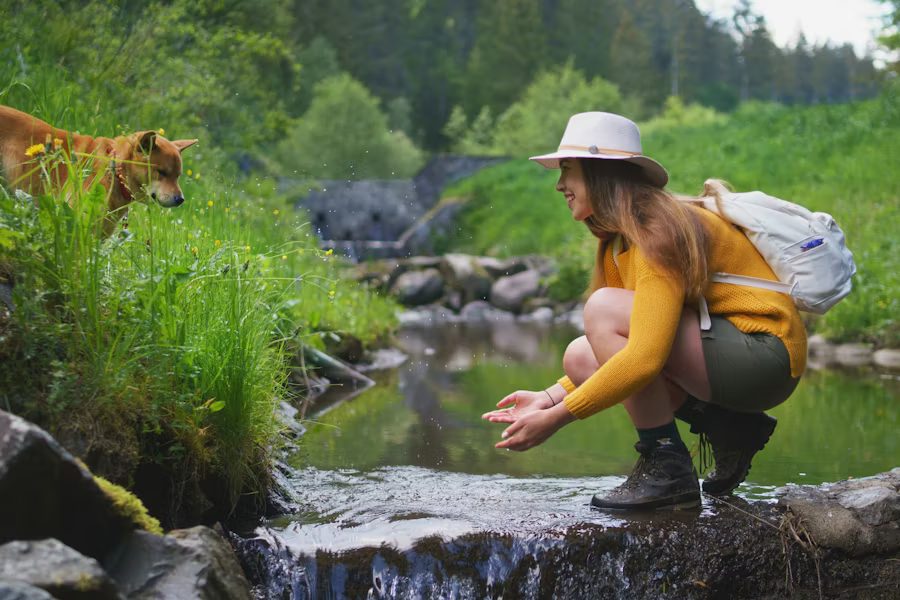
Instead of mapping out every moment, build a loose framework for each day. Maybe you want to spend the morning exploring a trail and the afternoon sitting by a creek doing absolutely nothing. Maybe one day you feel like going on a long walk, and the next day you just want to sit outside and read.
Preparing for the Unexpected Without Overthinking It
A little preparation goes a long way, but there is a fine line between being ready and being anxious. You do not need to anticipate every possible scenario to have a safe and enjoyable trip. Focus on the basics. Know the weather forecast for the area. Carry a basic first aid kit. Make sure someone knows where you are going and when you plan to return. Have a reliable way to navigate, whether that is a downloaded map on your phone or a physical one you can reference.
Beyond that, trust yourself. Most situations that come up in nature are manageable with common sense and a calm head. A change in weather, a trail that is harder than expected, or a campfire that will not light are all minor inconveniences, not emergencies.
Disconnecting on Purpose
This is the part that sounds easy in theory but can be surprisingly difficult in practice. Stepping away from your phone, your inbox, and the constant stream of notifications is one of the most valuable things you can do on a nature escape. It is also one of the hardest.
Start by setting expectations before you leave. Let the people who need to know that you will be unreachable or slow to respond. Turn off notifications that are not urgent. If going completely offline feels like too much, designate one short window each day to check in and then put the phone away again.
Letting the Trip Shape Itself
The most effortless nature escapes are the ones where you stop trying to control every detail and let the experience take its own shape. That does not mean you show up with zero preparation. It means you prepare enough to feel secure and then release the need to manage every moment.
Nature has a way of filling in the gaps. When you are not buried in a packed itinerary, you notice things you would otherwise miss. The way light filters through the canopy at a certain hour. The feel of cool air settling in as the sun drops.
Last Updated on April 1, 2026
