
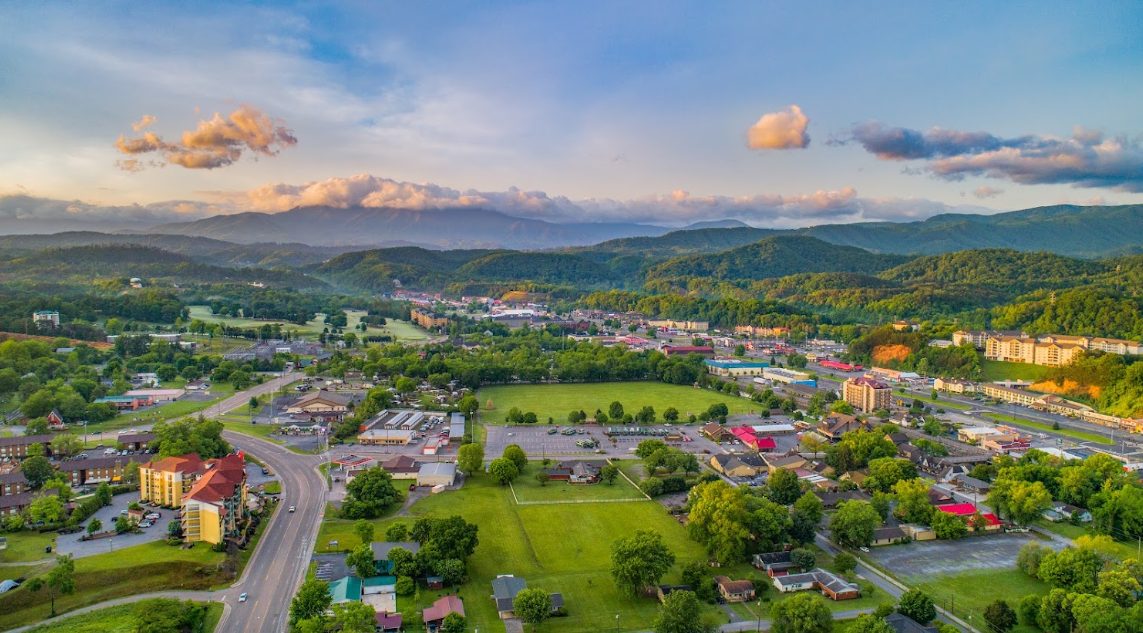
Pigeon Forge packs a lot into one mountain town. You’ve got family attractions, scenic drives, easy access to the Great Smoky Mountains, and plenty of places to slow down once the day winds down. If you’re planning a camping trip here, a little strategy helps. The right timing, location, and gear can turn your trip from chaotic to smooth, which is a pretty nice upgrade when you’re traveling with kids, teens, or a mixed-age group.
Pick the Right Campground for Your Trip Style
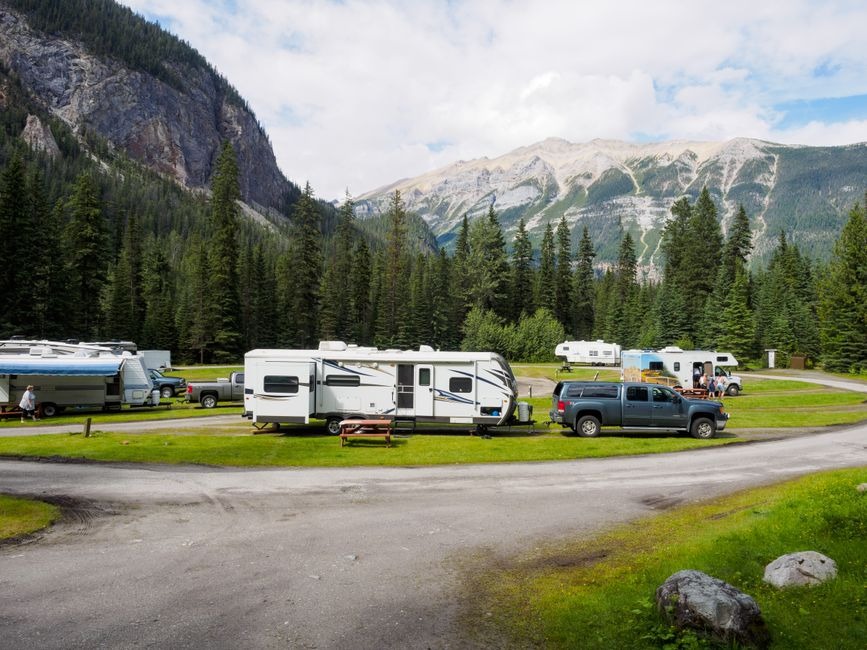
Not every campground gives you the same experience, and that matters more than people think. Some are geared toward quick overnight stays, while others make it easy to settle in for several days with family-friendly amenities and a better location.
When you compare Pigeon Forge campgrounds, pay attention to practical details like river access, full hookup RV sites, pool access, playgrounds, and how close you’ll be to major attractions. Camp RiversLanding, for example, is located along the Little Pigeon River and offers RV sites, tent camping, and cabin rentals, which gives families some flexibility if everyone in your group doesn’t camp the same way.
Look for these features before you book:
– Clean bathhouses
– Reliable Wi-Fi if you need it
– Space for kids to move around safely
– Easy access to the Parkway
– Quiet hours that are actually enforced
A good campground saves you time, cuts stress, and keeps the trip feeling like a vacation instead of a logistical puzzle.
Time Your Visit Around Crowds and Traffic Patterns
Pigeon Forge stays busy for good reason. Families head there year-round, and the town can get packed during holidays, school breaks, and big event weekends. That doesn’t mean you should avoid it. It means you should plan smarter.
If your schedule is flexible, early spring and late fall often feel less hectic. Roads tend to be easier, attraction lines can be shorter, and your campground may feel a bit more relaxed. If you’re visiting during a high-demand period, reserve your site early and build extra drive time into your plans.
A few timing tips help a lot:
– Arrive at your campground earlier in the day if possible
– Visit major attractions on weekdays when you can
– Start outdoor activities in the morning
– Keep one low-key day in your schedule
That last point matters. Trying to cram every attraction into one trip usually backfires. Pigeon Forge rewards a pace that leaves room for detours, snack stops, and the occasional “we need five minutes” moment.
Build an Itinerary That Mixes Outdoor Time and Attractions
One of the best parts of camping in Pigeon Forge is that you don’t have to choose between nature and entertainment. You can spend the morning outside and still hit a major attraction later without turning the day into a marathon.
Families often do better with one anchor activity per day. That could mean exploring a scenic area in the morning, then heading to a single attraction in the afternoon. You might visit Dollywood, ride the Ski Lift Shootout Coaster, or spend time at The Island in Pigeon Forge without trying to stack all three into a single day. Ambition is great. Exhausted kids in a souvenir shop, less great.
You can also branch into nearby Gatlinburg for spots like Ober Gatlinburg or Gatlinburg SkyPark. If you’re planning hikes in the national park, double-check current closures before you go.
Pack for Weather Swings and Campground Reality
Mountain weather has a talent for changing its mind. A warm afternoon can slide into a cool evening pretty fast, and a clear morning can turn damp without much warning. Packing for Pigeon Forge means thinking in layers, not guesses.
Bring clothes you can mix easily, plus a backup pair of shoes if someone ends up stepping into mud, river water, or a mystery puddle. It happens. Usually to the person who said they’d “be careful.”
A useful camping checklist includes:
– Lightweight layers and rain gear
– Flashlights or headlamps
– Power banks for phones
– Camp chairs for relaxing outside
– Simple food that doesn’t create a cleanup nightmare
– Extra towels if your campground has a pool or river access
If you’re RV camping, confirm your hookups and site dimensions before arrival. If you’re tent camping, check the site surface and shade level. Tiny details at booking can make a big difference once you’re unloading gear after a long drive.
Plan Meals Without Overcomplicating the Trip
Food can either keep your trip moving or derail it completely. The goal isn’t to cook like you’re hosting a televised mountain feast. The goal is to feed everyone well without spending half the day managing coolers, burners, and cleanup.
Keep breakfast and lunch simple. Think sandwiches, fruit, cereal, pancakes, or foil-pack meals that don’t require much fuss. Save one or two dinners for eating out in town if that fits your budget and schedule. Pigeon Forge has plenty of family-friendly options, so you don’t need to prove your campsite is secretly a gourmet kitchen.
For smoother meal planning:
– Prep ingredients before leaving home
– Label storage containers clearly
– Bring more water than you think you need
– Pack a few easy snacks for car rides and attraction lines
– Choose meals with minimal cookware
A small system beats an ambitious menu every time. You want meals that support the trip, not meals that become the trip.
Keep the Experience Fun for Everyone in Your Group
The strongest family trips usually leave a little room for different personalities. Some people want river time. Some want coasters. Some want coffee and a chair with a view. A solid camping plan gives each person at least one thing to look forward to.
You can make that easier by letting everyone help shape the itinerary. Give each family member one pick. That keeps the trip balanced and cuts down on the classic “I didn’t want to do this anyway” energy.
At the campground, bring a few easy extras:
– Card games or travel games
– Bikes or scooters if allowed
– Fishing gear if the location supports it
– Ingredients for s’mores
– A loose evening routine for winding down
Camping in Pigeon Forge works best when you treat it as a base for both connection and exploration. You’re not just booking a site. You’re setting up the kind of trip where mountain views, family memories, and a little well-earned downtime can all fit into the same weekend.
Last Updated on October 15, 2026
