
Traveling with pets has shifted from a niche idea to a major trend in outdoor tourism. Many pet owners now plan vacations around places where their animals can join the adventure rather than stay behind. Mountain destinations are especially appealing because they offer wide open spaces, scenic trails, and a slower pace that both humans and pets can enjoy. Spending time in nature together also strengthens the bond between owners and their animals while encouraging healthy activity for everyone involved.
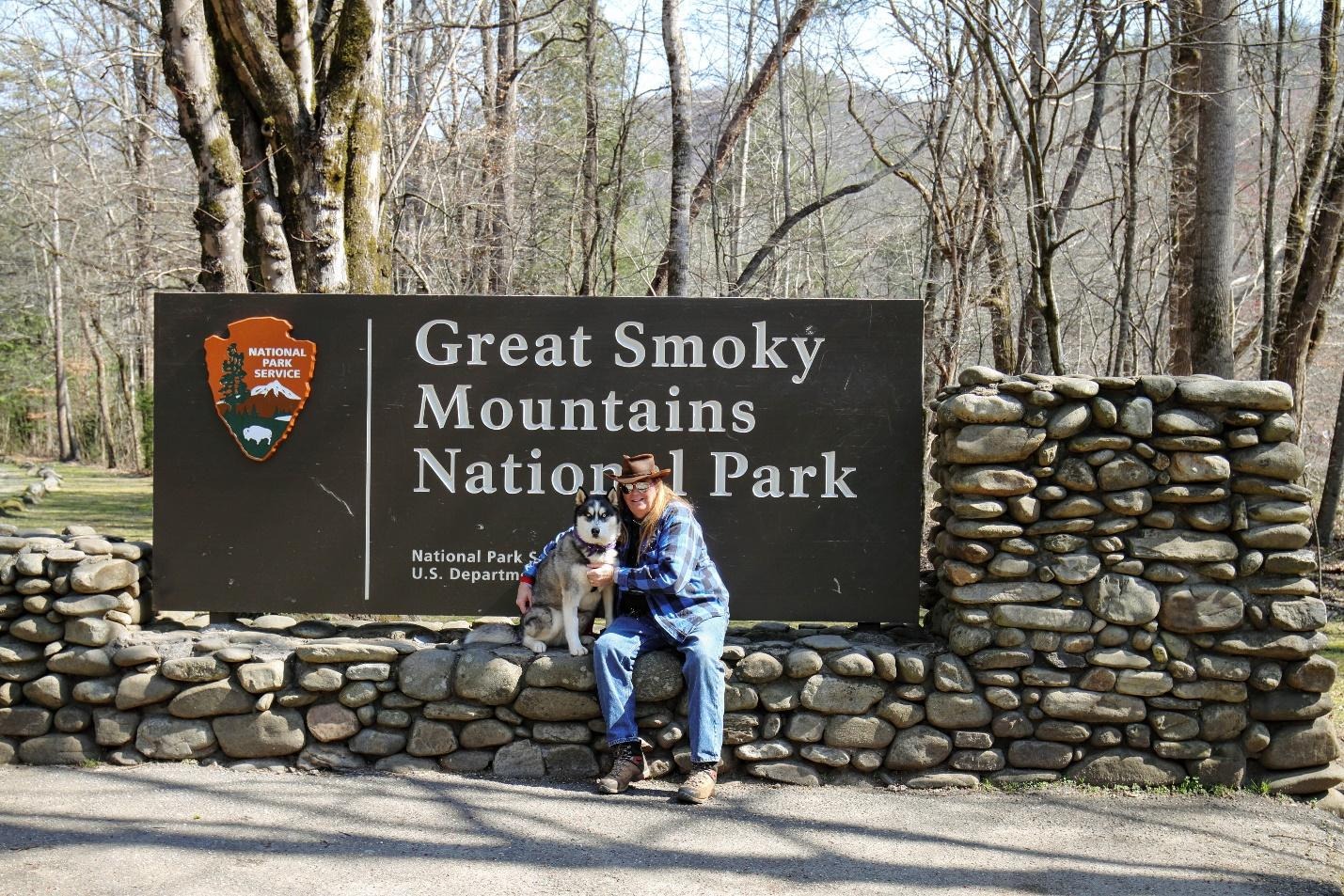
The Smoky Mountains region in Tennessee has become one of the most popular destinations for this style of travel. Wears Valley, located just outside Great Smoky Mountains National Park, offers easy access to mountain views, quiet hiking trails, and less-crowded surroundings than nearby tourist hubs. However, a successful mountain trip with a pet requires more than picking a scenic location. The right lodging, the right gear, and thoughtful planning all play a role in making the trip enjoyable instead of stressful.
Choosing the Right Mountain Basecamp for You and Your Pet
One of the first decisions you will make when planning a mountain trip with a pet is where to stay. Accommodation may seem like a small detail, but it can greatly influence the overall travel experience. Many traditional hotels limit pet size, charge extra fees, or offer very little outdoor space for animals to move around comfortably. Because of these restrictions, travelers often spend more time managing hotel policies than enjoying their trip.
If you are looking for pet friendly cabins in Wears Valley, there are plenty of options you can choose from. For instance, Great Cabins in the Smokies lists pet-friendly rentals for travelers who want to bring their pets without worrying about strict hotel rules. These cabins are often set amid wooded scenery and feature spacious interiors and outdoor decks where pets can relax after a day of exploring.
Essential Gear for Pets Exploring High-Altitude Destinations
Packing for a mountain trip with pets requires a bit more thought than packing for a normal weekend getaway. Trails can be long, the weather can change quickly, and the terrain may be rougher than what your pet experiences at home. A few simple items can make outdoor adventures safer and more comfortable. Collapsible water bowls, portable water bottles, and a secure harness should always be part of your travel kit.
You may also want to bring protective gear designed for active outdoor pets. Booties can shield paws from rocky trails, while lightweight cooling vests help pets stay comfortable during warm afternoons. Reflective collars and small LED tags are also useful if you plan to explore during early morning or evening hours. These small preparations reduce risks and help pets stay comfortable throughout the trip.
Finding Pet-Friendly Trails and Understanding Local Regulations
Not every hiking trail welcomes pets, so doing a bit of research before your trip can save frustration later. National parks, local parks, and forest trails all follow different rules regarding animals. Some areas allow pets only on specific paths, while others require them to remain on a leash at all times. Knowing these rules in advance helps you plan routes that everyone can enjoy safely.
Trail difficulty is another factor to consider. A steep or rocky hike may be manageable for experienced hiking dogs but exhausting for pets new to the mountains. Start with shorter and easier trails to see how your pet responds to the environment.
Helping Your Pet Adjust to Mountain Elevation
Elevation changes can affect pets just as they affect people. Higher altitudes often mean thinner air, cooler temperatures, and increased physical demands during hikes. Pets that live at lower elevations may need time to adapt when they arrive in a mountain environment. Start the first day with light activity instead of a long hike so your pet can gradually adjust to the conditions.
Pay attention to your pet’s behavior during the first few outings. Signs such as unusual fatigue, heavy panting, or slower movement may indicate they need more rest. Offer water frequently and allow plenty of breaks along the trail. Taking a slow approach during the first day or two helps pets settle into the environment comfortably and keeps the trip enjoyable.

Wildlife Awareness and Safety in Mountain Environments
Mountain areas support a wide range of wildlife, and pets can sometimes react quickly when they spot unfamiliar animals. Deer, coyotes, and smaller mammals are common in many mountain regions, including the Smoky Mountains. Keeping pets on a leash during hikes prevents them from chasing wildlife and protects both the animal and the local ecosystem.
It also helps to stay aware of your surroundings. Make some noise while hiking so wildlife knows people are nearby. Avoid leaving food outside your cabin or campsite, as it may attract animals overnight. Simple precautions reduce the chance of encounters and help maintain a safe environment for pets, hikers, and wildlife alike.
Trail First Aid: Protecting Paws, Hydration, and Health
A small pet first aid kit can solve many minor problems that occur on the trail. Pack items such as antiseptic wipes, bandages, tweezers for splinters, and a tick removal tool. Mountain trails sometimes include sharp rocks, loose gravel, or sticks that can irritate a dog’s paws during long walks.
Hydration is just as important. Bring extra water for your pet and offer it regularly, especially during warm weather or longer hikes. After each outing, check paws and fur carefully for cuts, burrs, or insects. A quick inspection at the end of the day helps catch small issues early before they become bigger problems.
📖 Recommended Reading: If you’re looking for more useful information, check out:
Creating a Comfortable Routine During Your Mountain Stay
Pets feel more relaxed when their daily routine stays familiar, even in a new environment. Try to keep feeding times, walk schedules, and sleep patterns similar to what your pet follows at home.
Bring a few familiar items such as a favorite toy, blanket, or portable pet bed. These familiar scents help pets settle into a new place and sleep more comfortably. Allow time for gentle exploration around your lodging area, but keep supervision in place so your pet does not wander too far in unfamiliar terrain.
Last Updated on June 24, 2026
