
Planning a trip usually starts with the exciting stuff: where to stay, what to eat, which neighborhoods to explore, and whether that sunrise hike really requires getting out of bed at 4:30 a.m. Money tends to come later. Unfortunately, that is also why travelers often end up paying unnecessary ATM fees, poor exchange rates, or foreign transaction charges.
A little preparation can make a surprisingly big difference. This travel money guide covers the practical side of paying abroad: cards, cash, ATMs, digital wallets, exchange rates, and even cryptocurrency. Travelers who already use digital assets can also consult the IamForexTrader list of crypto exchanges before a trip to understand which platforms and services may be relevant to their needs.
The goal is not to find one “perfect” payment method. It is to create a small, flexible system that still works when a card is declined, an ATM is expensive, or the charming family-run café you found down a side street accepts cash only.

Why Your Travel Money Setup Matters
Imagine arriving in another country after a long flight. You are tired, your phone battery is at 12%, and you need a taxi or train ticket.
This is exactly the wrong moment to discover that your bank blocks foreign transactions.
Most travel money problems are not dramatic. They are simply inconvenient and expensive. A few dollars lost to an exchange-rate markup here, another ATM fee there, and perhaps a dynamic currency conversion charge at a restaurant can quietly add a noticeable amount to the cost of a longer trip.
The easiest solution is diversification.
“The smartest travel wallet is not the one with the most money in it. It is the one that gives you more than one way to pay.”
For most people, that means carrying at least two payment methods and keeping them in separate places.
The Four Main Ways to Pay While Traveling
There is no universal winner. Each option is useful in different situations.
| Payment Method | Best For | Main Drawback | Smart Way to Use It |
|---|---|---|---|
| Credit or debit card | Hotels, restaurants, shopping | Foreign transaction or conversion fees | Use a card with favorable international terms |
| Cash | Markets, tips, small businesses | Loss or theft | Carry only what you expect to need |
| Mobile wallet | Fast contactless payments | Depends on phone, battery, and local acceptance | Keep a physical card as backup |
| Cryptocurrency | Travelers already comfortable with digital assets | Limited acceptance and price/transaction considerations | Treat it as an additional option, not your only travel fund |
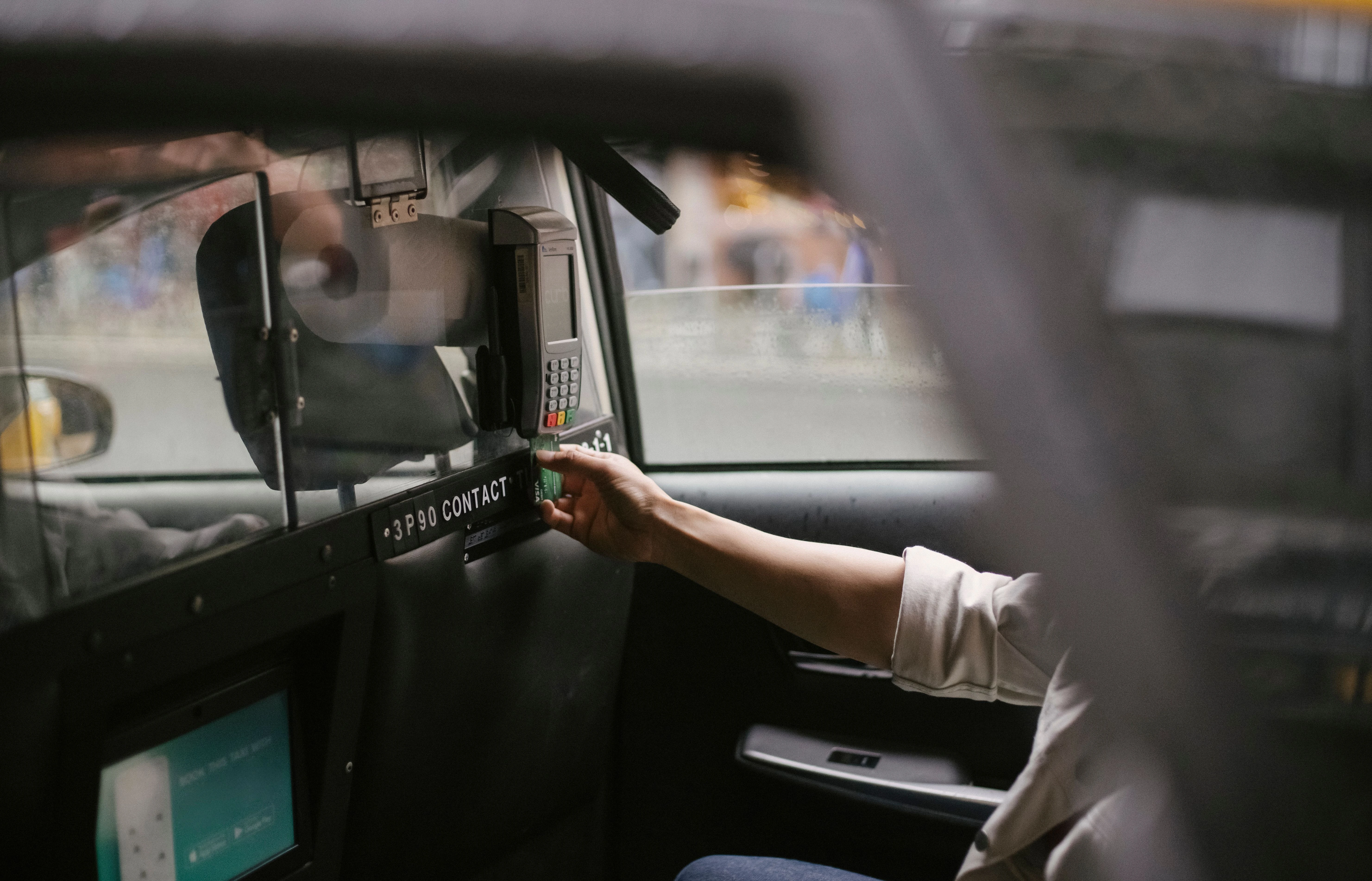
A combination usually works better than relying entirely on one column of this table.
1. Take More Than One Card
One of the simplest travel rules is also one of the most useful: never depend on a single bank card abroad.
Cards can stop working for reasons that have nothing to do with your balance. A bank’s fraud system may flag a transaction. An ATM network might reject a particular issuer. A hotel terminal may fail to process your card even though it worked perfectly at the airport.
For a longer international trip, consider taking:
- one primary card for everyday spending;
- one backup card from a different bank or payment network;
- a small emergency cash reserve.
Keep the backup somewhere other than your everyday wallet. If your wallet disappears, having three cards sitting next to each other inside it will not help very much.
Before departure, also check your bank’s foreign transaction fees and ATM policies. A card that seems inexpensive at home may be surprisingly costly overseas.
2. Do Not Exchange Your Entire Budget at the Airport
Airport currency counters are convenient. That convenience can come at a price.
You may need a modest amount of local currency immediately after landing, especially in destinations where cash is still common. But exchanging your entire travel budget before leaving the terminal is rarely necessary.
Instead, consider getting enough cash for your first day and then comparing your options once you have settled in.
When evaluating an exchange, look beyond signs advertising “0% commission.” The real question is the rate you receive.
A service can technically charge zero commission while offering an exchange rate that is substantially worse than the market rate.
3. Learn to Recognize Dynamic Currency Conversion
This is one travel payment trap worth knowing by name.
When paying by card abroad, a terminal or ATM may ask whether you want to be charged in your home currency instead of the local currency.
For example, if you are visiting Spain with a US-issued card, the terminal may offer:
Pay €84
or
Pay $96
Seeing dollars can feel reassuring because you immediately know approximately how much you are spending.
But that conversion is often performed by the merchant’s payment provider or ATM operator using its own exchange rate. The result may be less favorable than allowing your card network or bank to perform the conversion.
In many situations, choosing the local currency is the better approach.
Always read the screen carefully before pressing the confirmation button.
4. Be Selective About ATMs
Not all ATMs are equal.
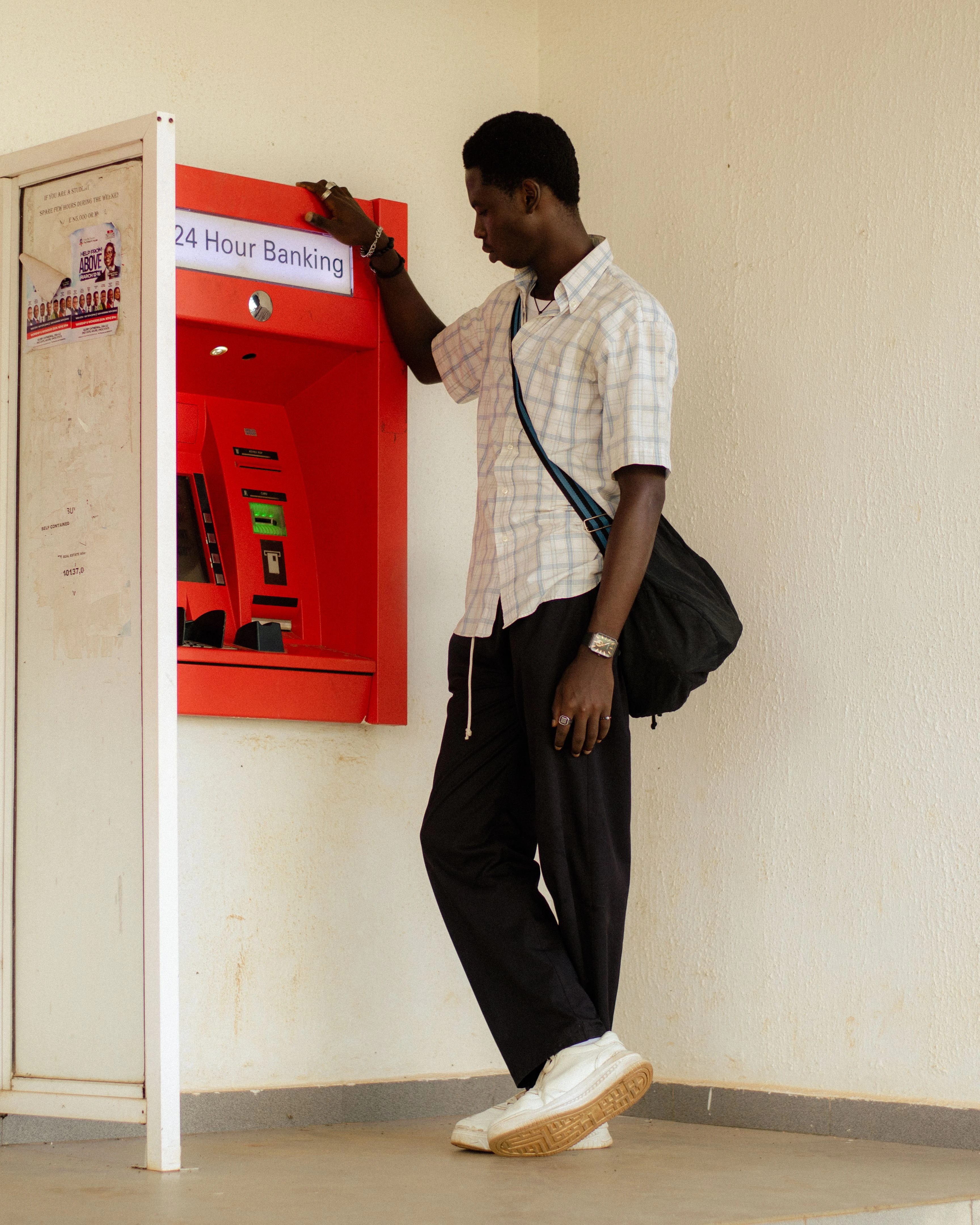
An ATM can potentially involve several separate costs:
- a fee from the ATM operator;
- a fee from your own bank;
- an exchange-rate markup;
- dynamic currency conversion.
Whenever possible, use ATMs operated by established local banks rather than standalone machines placed primarily in tourist areas.
And withdrawing tiny amounts repeatedly may be inefficient if there is a fixed fee every time.
For example, paying a $5 equivalent fee to withdraw $50 is much more painful than paying the same fee once to withdraw enough money for several days.
That does not mean walking around with a month’s budget in cash. The idea is simply to find a reasonable balance between security and repeated fees.
5. Cash Still Deserves a Place in Your Travel Wallet
Reports of the death of cash have been greatly exaggerated.
In some cities, you can go for days using nothing but contactless payments. In other destinations, a small restaurant, taxi driver, market vendor, public restroom, guesthouse, or rural bus may still expect cash.
Even in highly digital countries, cash makes a useful emergency backup when payment systems or mobile connections fail.
A practical approach is to carry enough for minor expenses rather than treating cash as your main store of travel money.
Avoid keeping all of it in the same place. A small amount in your everyday wallet and a separate emergency reserve can make life considerably easier if something goes wrong.
6. Should Cryptocurrency Be Part of Your Travel Money Plan?
For most travelers, cryptocurrency is not a replacement for cards and local cash. However, for people who already hold and use digital assets, it can form part of a broader travel money strategy.
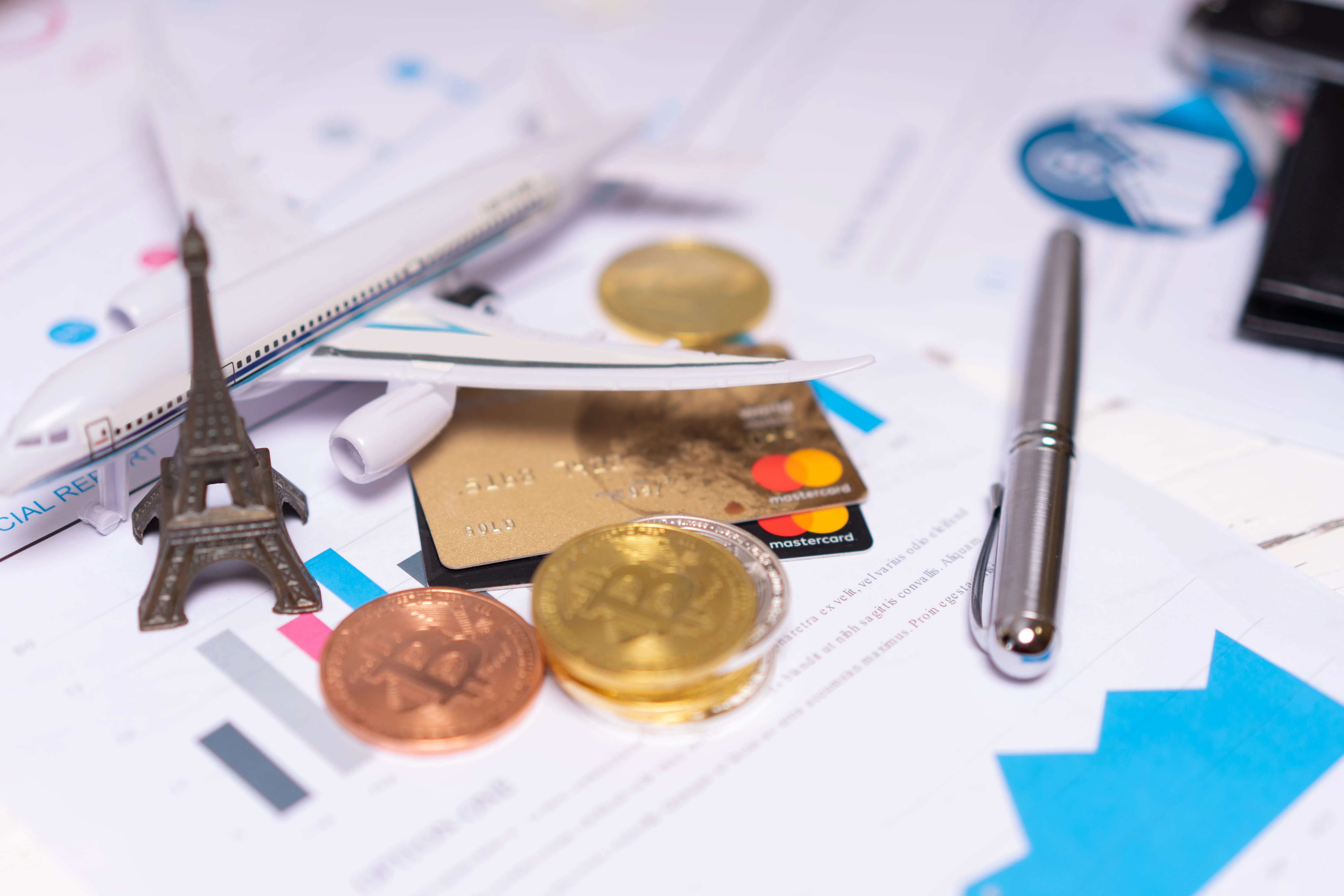
The important phrase here is already use.
A vacation is probably not the ideal moment to learn cryptocurrency basics for the first time.
Experienced users may use crypto-related services to move funds, access crypto-linked payment products where available, or convert assets when necessary. But several practical questions should be checked before leaving home:
- Is the service available in your destination?
- What are the deposit, trading, conversion, and withdrawal fees?
- Which currencies and networks are supported?
- Will identity verification be required?
- Are there withdrawal limits?
- How quickly can funds realistically be accessed?
- What local rules apply to cryptocurrency use?
Availability also varies significantly by country. A platform or feature that works at home should never be assumed to work everywhere.
For that reason, crypto is best treated as one additional financial tool, not the sole way to finance an international trip.
7. Build a Simple Travel Money Budget
You do not need a complicated spreadsheet to control spending abroad.
Divide your budget into a few broad categories:
- Accommodation
- Local transportation
- Food and drinks
- Attractions and activities
- Shopping
- Emergency reserve
Then estimate your average daily flexible spending.
Suppose your accommodation and major transportation are already paid. If you have $900 left for a nine-day trip, that gives you an average of $100 per day.
You certainly do not have to spend exactly $100 every day. Perhaps one day involves sandwiches and a free walking tour, while another includes a special dinner and museum tickets.
The daily number simply provides a useful reference point.
It is much easier to realize on day three that you are spending faster than expected than to discover it on day eight.
8. Keep an Emergency Reserve
Every travel budget should contain money you are not planning to spend.
Think of it as the financial equivalent of packing a spare phone charger.
Unexpected costs happen:
- a missed train;
- an extra hotel night;
- a replacement taxi;
- a medical expense;
- lost luggage;
- a card temporarily blocked by your bank.
Your emergency reserve should also be accessible separately from your everyday money.
If all your funds depend on the same wallet, phone, banking application, or card account, you technically have several payment options but only one point of failure.
A Five-Minute Money Check Before You Leave
Before heading to the airport, run through this short routine:
- Check the foreign transaction fee on your main card.
- Check your bank’s international ATM fees.
- Pack a second card separately.
- Make sure you can access banking apps abroad.
- Know the approximate exchange rate for your destination.
- Keep a modest emergency reserve.
- Decide roughly how much cash you want to carry.
- Download any financial apps you may need before traveling.
- Confirm that your phone number can receive security messages abroad.
- Review local payment habits at your destination.
It takes very little time and can prevent several common travel headaches.
What If You Are Traveling as a Family?

Families have an extra reason to think about payment backups.
When you are traveling alone, a temporarily blocked card is annoying. When you are traveling with children, luggage, restaurant reservations, and a hotel check-in deadline, the same problem feels much larger.
If two adults are traveling together, consider dividing cards and emergency cash between them.
It is also useful to decide who will handle different expenses. One person might cover accommodation and transport while another pays for food and daily purchases. This makes spending easier to monitor without turning every vacation dinner into an accounting session.
For older children or teenagers, travel can also be a good opportunity to introduce a small daily spending budget. Giving them a fixed amount for souvenirs or snacks allows them to make choices without repeatedly negotiating every purchase.
The Best Travel Money Strategy Is Usually a Boring One
There is no need to turn travel money into a financial engineering project.
For most trips, a strong setup is wonderfully simple:
Primary card + backup card + some local cash + emergency reserve.
Digital wallets and cryptocurrency can then sit on top of that foundation when they make sense for the individual traveler.
The important thing is redundancy.
If one payment method stops working, you should be able to reach for another without interrupting your trip.
Final Thoughts
A good travel money guide should not tell you to carry only cash, rely exclusively on cards, or convert your entire budget into the latest digital payment method.
Travel is unpredictable. Your payment setup should be flexible enough to match it.
Understand the fees before you leave, avoid unnecessary currency conversions, use reputable ATMs, keep at least one backup payment method, and maintain a small emergency reserve.
Once those basics are handled, you can spend less time thinking about exchange rates and more time thinking about what actually matters — where you are going next.
Last Updated on August 20, 2026
