
Rivers offer a kind of travel adventure you just can’t find anywhere else, from peaceful floats to exciting rapids. Unlike a huge ocean or a still lake, a river is always moving, always changing, and full of life.
Planning a trip around a river can really spice up your vacation, mixing relaxation with a bit of exploration.
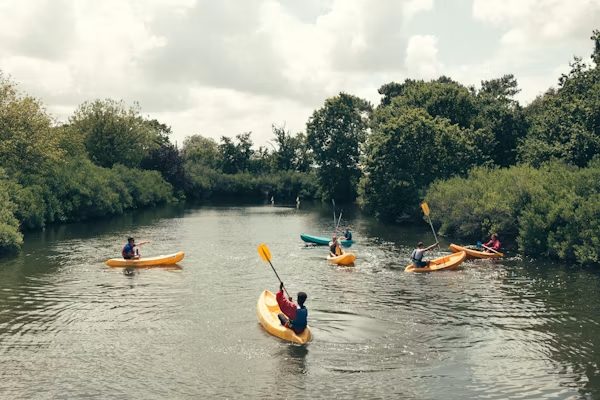
Why Rivers Offer Unique Adventures
There’s just something special about being on a river. The flowing water gives you this feeling of being on a journey, as the scenery along the banks constantly shifts. One minute you might be quietly drifting through a wooded area, and the next you could be passing a lively small town. This constant change keeps things interesting and makes every trip feel fresh.
Rivers also help you connect with nature in a more personal way. You can spot wildlife on the shore, feel the cool spray of the water, and listen to the gentle sounds of the current. It’s a truly immersive experience that wakes up all your senses.
Finding Accommodations with Direct River Access
One of the best ways to make a river trip even better is to stay somewhere with direct access to the water. Waking up to the sights and sounds of the river is just incredible. Plus, it makes getting onto the water totally easy. You can launch your kayak, paddleboard, or tube right from your doorstep without having to load up the car and drive to a public launch. This convenience means you get more time to actually enjoy the water.
You’ll often find campgrounds and RV parks in prime riverfront spots. For example, a place like River Acres RV Park offers direct access, making it super simple to start your day with a paddle or end it by watching the sunset over the water from your campsite.
Top Water Activities for Every Traveler
Rivers have something for everyone, whether you’re an adrenaline junkie or just looking to chill out. There are so many recreational river activities to pick from, so everyone in your group can find something fun to do.
- Kayaking and Canoeing: These classic activities let you explore at your own speed. You can paddle gently to soak in the views or get a good workout going against the current.
- Tubing: For pure relaxation, nothing beats floating down a slow-moving river in an inner tube. Just tie a few tubes together, grab a floating cooler, and let the current do all the work.
- Stand-Up Paddleboarding (SUP): SUP gives you a great core workout and a unique view of what’s happening under the surface. It’s usually best for calmer parts of the river.
- Fishing: Rivers are awesome for fishing, home to all sorts of fish. Wading into the shallows or casting a line from the bank is a peaceful way to spend an afternoon. Many of these calmer options are perfect for family-friendly river trips.

Essential Gear for River Exploration
Having the right gear makes any river outing safer and more comfortable. You don’t need tons of expensive stuff, but a few key items can really help. First, a good dry bag is a must-have for keeping your phone, keys, and snacks from getting wet. Water shoes with a sturdy sole are also essential to protect your feet from sharp rocks or slippery spots.
Other important things include high-SPF sunscreen, a wide-brimmed hat, and polarized sunglasses to cut the glare off the water. A reusable water bottle is super important for staying hydrated, and a small first-aid kit is always a smart idea. Finally, and most importantly, always have a properly fitting life vest (PFD) for everyone.
Safety Tips for Water Adventures
Enjoying the river safely is the absolute top priority. Before you head out, always check the weather forecast and the river conditions, like water levels and how fast the current is. You can often find this info from local park services or bait shops. Always wear a life vest, even if you’re a strong swimmer. Unexpected currents can be really powerful, and a PFD can save your life.
Understanding the body of water you’ll be on is key to any successful outing. While rivers have constant flow, larger bodies of water can fluctuate significantly due to factors like rainfall and dam operations, affecting access points and submerged hazards. Checking the current conditions, such as the Lanier Lake level, helps you anticipate these changes. This information ensures you know what to expect and can adjust your plans accordingly for a safer and more enjoyable time.
It’s also a good habit to tell someone your float plan: where you’re starting, where you plan to get out, and when you expect to be back. Skip the alcohol, as it messes with your judgment and coordination. Lastly, be kind to the wildlife and follow Leave No Trace rules by packing out everything you bring in.
A river trip can be as chill or as adventurous as you want it to be. With just a little bit of planning, you can make some truly unforgettable memories on the water.
Last Updated on September 4, 2026
