
Miami is easy to reduce to a single image of sand and neon, yet the city rewards anyone who looks past the shoreline. Behind the famous beaches sits a layered place of Cuban cafes, design districts, mangrove islands, and quiet residential avenues shaded by banyan trees.
The magic is in the mix. A morning of pastel Art Deco can lead into an afternoon of street murals and an evening of stone crab by the water. Miami invites travelers to treat the beach as one chapter rather than the whole story.
The Art Deco Heart of South Beach
Ocean Drive holds the city’s most photographed stretch of architecture, a run of pastel hotels built in the 1930s and lit with neon after dark. The Art Deco Historic District carries the largest concentration of the style anywhere, and a slow walk reveals the sunbursts and curves that define it.
A block inland, Collins and Washington avenues trade some of the crowds for local shops and restaurants. Lincoln Road, a pedestrian promenade a little further north, rounds out the area with open air dining and easy people watching.
Getting There and Getting Around
Miami International Airport sits inland, roughly a half hour from the beaches depending on traffic that can shift quickly. Fort Lauderdale offers a second gateway to the north, and both feed a metro area where attractions spread across islands and neighborhoods.
Since the best of Miami sits far from any single hub, comfortable ground transport shapes the whole visit. Visitors who want to move smoothly between the airport, South Beach, and the mainland often rely on SAL Limo Service to handle transfers and evenings without the stress of causeway traffic or valet lines. With the driving settled, the city opens up.
Wynwood and the Design District
North of downtown, Wynwood turned a cluster of old warehouses into an open air gallery of murals and street art. The Wynwood Walls draw the crowds, but the surrounding blocks reward wandering, with cafes, studios, and independent shops at every turn.
The nearby Design District trades graffiti for luxury, with flagship boutiques and public sculpture set along tidy streets. Together the two areas show how quickly Miami shifts in mood from one block to the next, sometimes within a single crossing.
Both neighborhoods reward an evening visit as much as a daytime one. Galleries stay open late on certain nights, food halls fill with a mixed local crowd, and the murals take on a different character under the streetlights, which makes the area a natural first stop before dinner elsewhere in the city. Parking is famously tight around the Walls, so many visitors are glad to be dropped at the door and collected later rather than circling the block.
Little Havana and the City’s Cuban Soul
Calle Ocho, the main street of Little Havana, carries the sound and flavor of the city’s Cuban heritage. Cafes serve strong shots of espresso through walk up windows, and the click of dominoes drifts from Maximo Gomez Park nearby.
The neighborhood rewards a slow afternoon spent sampling croquetas, browsing cigar shops, and listening to live music spill onto the sidewalk. It is one of the most characterful corners of the city and a favorite for travelers seeking something beyond the coast.
Farther from the tourist stretch, the everyday version of the neighborhood continues in fruit stands, bakeries, and small family restaurants. A short visit gives a taste, but the area rewards anyone who lingers into the evening, when the music grows livelier and the sidewalks fill with families out for a walk.
Coral Gables and the Green Suburbs
West of downtown, Coral Gables offers a calmer, more formal Miami of Mediterranean facades, tree lined boulevards, and the famous Venetian Pool carved from an old quarry. The village of Coconut Grove nearby adds a bohemian, waterfront feel with leafy streets and open air cafes.
These neighborhoods show a residential side of the city that most short visits miss. They make an easy pairing with a morning downtown or a stop at the Fairchild Tropical Botanic Garden, and they reward the kind of unhurried drive that reveals how green the city becomes once you leave the coast.
Stone Crab and the Miami Table
Miami eats as broadly as it looks. Cuban classics anchor the everyday menu, but the city’s kitchens also draw on Haitian, Colombian, Peruvian, and Argentine traditions, often within a single lively block.
Stone crab is the local prize in the cooler months, served chilled with mustard sauce at old waterfront rooms that have barely changed in decades. Fresh ceviche, ropa vieja, and warm pastelitos round out a table that leans tropical and unhurried.
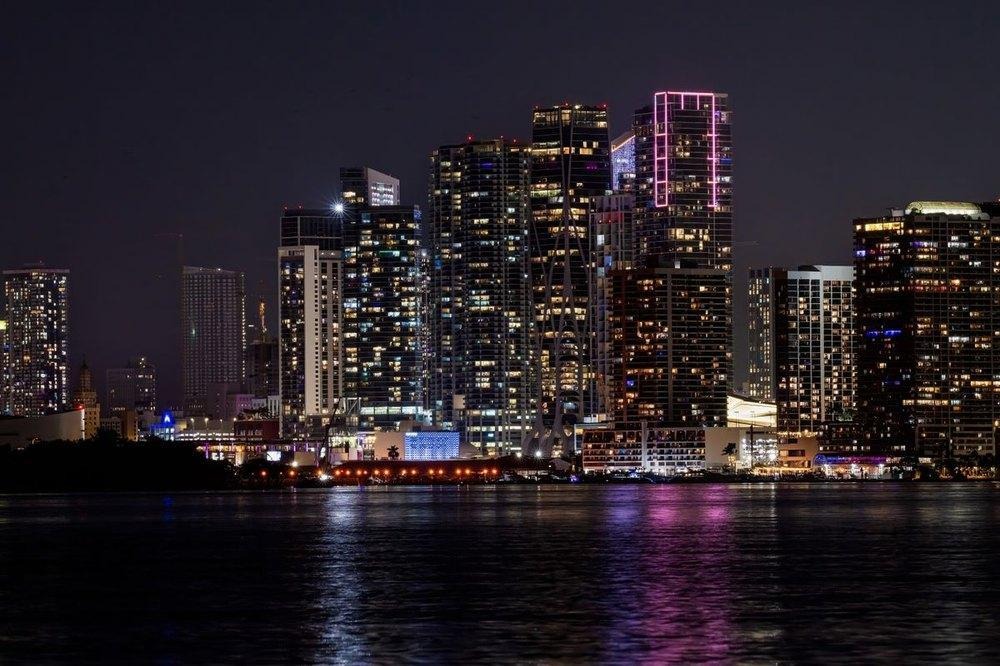
The setting matters as much as the plate. A meal by the water at dusk, with the skyline lighting up across the bay, is one of the simple pleasures that makes the city feel like a proper escape rather than just another stop on a map. Reservations help at the marquee spots, yet some of the finest bites need no planning at all. A window counter serving guava pastries and a strong shot of coffee can be as memorable as any dining room.
Water, Islands, and Day Trips
Miami is a city of water, and some of its finest hours happen on it. Key Biscayne, reached by a scenic causeway, offers calm beaches, a historic lighthouse, and a slower island pace within sight of downtown.
Further afield, the Everglades sit less than an hour to the west, while the drive south toward the Keys ranks among the most scenic in the country. Travelers mapping out a broader Florida route will find plenty of smart travel tips to keep the logistics light and the days flexible.
Settling Into the City
Miami stretches across islands, causeways, and mainland neighborhoods, so a little planning goes a long way. Grouping stops by area and arranging the drives between them keeps a packed itinerary from turning into a day of traffic.

A professional chauffeur who knows the causeways and the daily rhythm of the city can smooth over the parts that usually cause stress. With transfers handled, evenings by the water end without a search for parking, and mornings begin right on schedule.
The benefit shows most on split days, when a morning in the Gables, an afternoon in Wynwood, and a late dinner in South Beach might otherwise mean three separate battles with bridges and valets. Handing the driving to someone local turns that scattered map into a single smooth line across the city.
When to Visit
The dry season from late fall through spring brings warm days, lower humidity, and the liveliest calendar of events. Art fairs, food festivals, and open air markets crowd the cooler months, giving each weekend its own reason to linger. Summer turns hot and stormy in the afternoons, though early starts and indoor stops keep the heat manageable.
A long weekend covers South Beach, Wynwood, and Little Havana with room to spare. A full week opens the door to Key Biscayne, the Everglades, and a run toward the Keys. However long the visit, Miami rewards travelers who look beyond the sand.
Last Updated on August 23, 2026
