
Spain’s vibrant cities and celebrated coastal resorts often capture the imagination, but the country’s most authentic charm is found off the beaten path. The lesser-known towns and villages scattered throughout Spain allow travelers to immerse themselves in local culture, historic sites, and stunning natural landscapes. Whether you’re searching for medieval hamlets tucked away in the mountains or inviting coastal settlements, venturing outside the usual tourist zones brings unforgettable rewards. If you’re interested in planning your next adventure, this Spain travel guide can be your starting point for exploring the undiscovered.
These destinations reflect the breadth of Spain’s cultural heritage, where each town tells its own story through architecture, traditions, and breathtaking scenery. Here, you can escape the crowds and experience the Spanish way of life in its purest form, getting to know local artisans and sampling regional delicacies in tranquil surroundings.
Beyond the allure of Spain’s major metropolises, these towns and villages are gateways to traditions deeply rooted in the nation’s history. The landscapes, from rugged mountain passes to seaside cliffs, offer striking contrasts and adventure opportunities that will inspire culture seekers and nature lovers alike.
While many tourists are drawn to famous sites like Barcelona’s Sagrada Familia or Madrid’s Royal Palace, the true soul of Spain endures in these quieter locales. Strolling cobblestone streets, sampling local olive oil, or hiking paths that once carried exiles and traders can turn an ordinary trip into a lifelong memory. For travelers eager to discover even more hidden gems and authentic local travel in Spain, resources like National Geographic’s travel guide provide further insights.
Beget, Catalonia
Beget is nestled deep within the Pyrenean valleys of Catalonia. This tiny village, surrounded by forested mountain slopes, remained isolated by car until the middle of the twentieth century, preserving its medieval essence. Its cobbled lanes wind past stone houses and ancient bridges, transporting visitors back in time. At its heart stands the 12th-century Church of Sant Cristòfol de Beget, a magnificent example of Romanesque architecture and a lasting symbol of the village’s resilient spirit. Nature lovers will appreciate Beget as a starting point for hikes, particularly the Camí de Nord, which traces the paths used by civilians fleeing to France during the Spanish Civil War. The tranquil beauty and sense of history make Beget an enchanting hideaway for those seeking authenticity.
Priego de Córdoba, Andalucía
Known affectionately as the “City of Water,” Priego de Córdoba is set amid Andalusia’s olive groves and famed for its countless fountains and natural springs. The town’s Baroque architecture is on full display in the historic Barrio de la Villa, where intricate facades and ornate balconies catch the sunlight in a labyrinth of winding streets. Priego’s olive oil, often regarded as some of the world’s best, has shaped local cuisine and culture for centuries. Unmissable landmarks include the imposing Moorish castle and the Church of La Asunción, whose interior exemplifies Spanish Baroque style. Visiting Priego is like uncovering a living museum shaped by centuries of Christian and Moorish influence.
Cudillero, Asturias
On Spain’s northern coast lies the colorful fishing enclave of Cudillero. Houses painted in vibrant shades of blue, pink, and yellow cling to the cliffs, forming a cheerful amphitheater that seems to tumble towards the harbor. The town’s charm lies in its scenic layout and strong seafaring heritage, evident in its architecture and celebrated cuisine. Seafood reigns supreme here, with local dishes featuring delicacies like pixín (monkfish) and fabada asturiana. The nearby Cabo Vidio offers panoramic clifftop views of the wild Bay of Biscay, a sight that perfectly complements Cudillero’s coastal allure. For more about Asturias and its hidden gems, consult the region’s travel recommendations outlined by Lonely Planet.

Altea, Valencian Community
Altea, perched above the Mediterranean, is a fusion of artistic flair and old-world charm. Its whitewashed houses and winding lanes are framed by terraced hills descending to azure waters. The town’s most striking feature is the iconic blue-tiled dome of the Church of Nuestra Señora del Consuelo, which stands as a beacon above the historic center. A stroll through Altea’s atmospheric streets reveals a wealth of artisan shops, galleries, and inviting cafes, drawing both creatives and holidaymakers year-round. The pace is slow, the people welcoming, and the panoramic sea views simply unforgettable.
Besalú, Catalonia
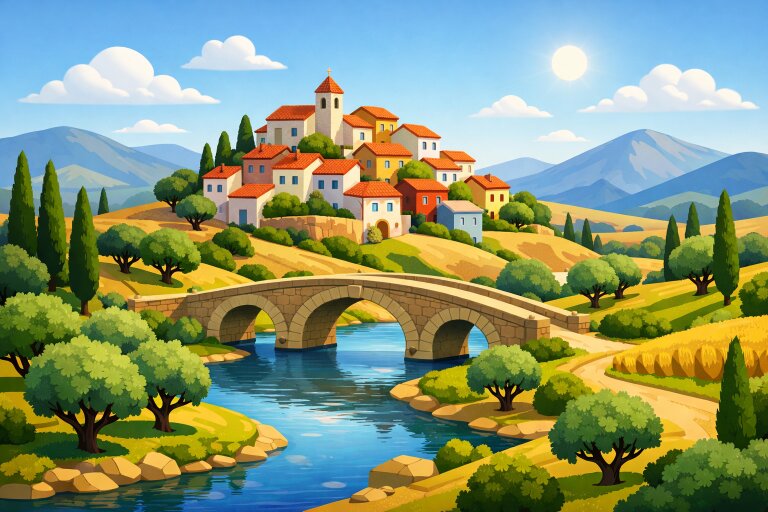
Besalú stands as a remarkably preserved medieval town, fascinating travelers with its storybook stone bridge and Romanesque monuments. It is easy to be content with just a photo of the famous bridge spanning the river. Still, those who linger will find remnants of a historically rich Jewish quarter, medieval baths, and churches dating back to the tenth century. Besalú offers a rare window into medieval Catalonian life, making it a favorite for both history buffs and those seeking a tranquil escape. Its annual medieval festival draws visitors from across the region and ensures that local heritage is never forgotten.
Ronda, Andalusia
Set dramatically above a deep gorge in the Andalusian hills, Ronda presents one of Spain’s most dramatic urban panoramas. The town is split by the El Tajo gorge, which is traversed by the architectural marvel known as Puente Nuevo. This bridge links the old and new quarters, offering sweeping views of the countryside. The historic quarter is a warren of Moorish alleyways, ornate churches, and the grand Mondragon Palace, which houses a museum of local history. Ronda’s Plaza de Toros is among the oldest and most significant bullrings in Spain, contributing further to the town’s unique identity and enduring appeal.

Frigiliana, Andalusia
Frigiliana is a sun-washed village just inland from the Costa del Sol, where Moorish and medieval heritage intertwine. Immaculate white houses line the steep, narrow streets, each one adorned with bursts of colorful flowers. As you ascend, the panorama unfolds, revealing layers of hills stretching down to the Mediterranean Sea. The town is renowned for its annual Festival of Three Cultures, which celebrates the Christian, Muslim, and Jewish communities that have shaped its past. Frigiliana’s tranquil beauty and warm hospitality have earned it recognition as one of Spain’s most picturesque villages.
📖 Recommended Reading: If you’re looking for more useful information, check out:
Conclusion
Exploring Spain’s lesser-known towns and villages reveals the country’s diverse stories and enduring traditions. From mountain sanctuaries to coastal hideaways, each hidden gem offers a unique window into Spain’s rich tapestry of history and culture. Leave the familiar tourist routes behind and discover the charm, flavors, and scenery that make these destinations unforgettable for every traveler.
Last Updated on May 12, 2026
