
Kyphosis is a condition that causes an exaggerated forward curve of the upper spine, often leading to a rounded upper back. While mild cases may have little impact on daily life, more noticeable curvature can contribute to discomfort, reduced mobility, and changes in posture over time. Understanding how kyphosis develops and how it can be managed is an important part of maintaining long-term musculoskeletal health.
This article aims to help explore supportive therapies such as Thai massage to help address muscle tightness associated with poor posture.
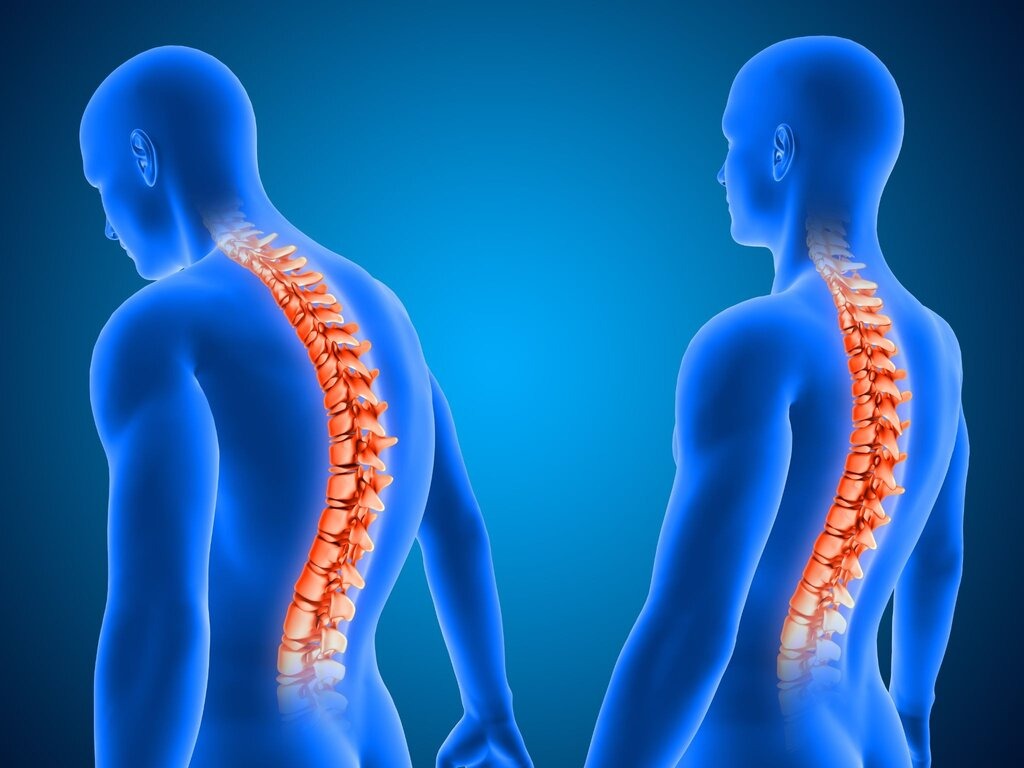
What Kyphosis Is
Kyphosis refers to an excessive outward curvature of the thoracic region that creates a rounded appearance in the upper back. It can develop for several reasons, including poor posture, age-related spinal changes, congenital conditions, or structural abnormalities such as Scheuermann’s kyphosis. The severity varies significantly from person to person, with some individuals experiencing only cosmetic changes while others develop pain or functional limitations.
It is important to understand that not every rounded back indicates kyphosis. Temporary slouching after sitting for long periods is different from a structural spinal curve. Likewise, kyphosis should not be confused with scoliosis, which involves a sideways curvature of the spine rather than an increased forward curve.
When to Bring It Up With a Healthcare Professional
Occasional stiffness after work or exercise is common, but persistent rounding of the upper back, chronic discomfort, or noticeable changes in posture deserve medical evaluation. Early assessment helps determine whether the condition is primarily postural or related to structural changes within the spine.
Medical advice is especially important if kyphosis is accompanied by worsening pain, numbness, weakness, breathing difficulties, or rapid progression of the spinal curve. A healthcare professional may recommend imaging studies, physical examinations, or referrals to specialists depending on the underlying cause.
How Posture Changes Affect the Body in Everyday Terms
The spine functions as a balanced support system that distributes body weight while allowing movement. When the upper back curves excessively forward, surrounding muscles, joints, and ligaments must compensate to keep the head aligned over the body. This compensation often leads to muscle fatigue and stiffness in the neck, shoulders, and upper back.
Over time, prolonged poor posture can reduce flexibility, limit shoulder mobility, and place additional stress on nearby joints. While massage cannot change the structure of the spine itself, therapies that target muscle tension may help improve comfort when combined with an appropriate rehabilitation program.
Potential Benefits and Common Challenges
Many people with postural kyphosis respond well to conservative management. Physical therapy, strengthening exercises, stretching routines, and ergonomic adjustments can improve posture and reduce discomfort. Supportive approaches such as Thai massage may also help loosen tight muscles and encourage greater movement, although they should be viewed as complementary rather than corrective treatments.
The main challenge is consistency. Improvements often occur gradually, requiring regular exercise, attention to posture during daily activities, and realistic expectations. Structural forms of kyphosis may require more specialized medical treatment depending on their severity.
Nutrition and Activity Strategies That Support Better Posture
Healthy bones, muscles, and connective tissues rely on balanced nutrition. Adequate protein, calcium, vitamin D, and overall physical activity support spinal health throughout life. Maintaining a healthy body weight may also reduce unnecessary stress on the spine and surrounding joints.
Regular movement is equally important. Activities that strengthen the back, core, and shoulder muscles can improve postural endurance, while flexibility exercises help counteract the effects of prolonged sitting. Some individuals also combine exercise with wellness services such as thai massage seminyak & bali outcall massage when seeking temporary relief from muscle tightness after long workdays or travel.
Monitoring Progress and Setting Expectations
Improving posture is usually measured over months rather than days. Progress may include standing more comfortably, experiencing less muscle fatigue, improving flexibility, or becoming more aware of daily posture habits rather than completely eliminating spinal curvature.
Keeping track of symptoms, exercise consistency, and functional improvements can provide a more accurate picture of recovery than focusing only on physical appearance. Healthcare providers may also monitor spinal alignment over time when necessary.
Cost, Access, and Practical Considerations
The overall management of kyphosis depends on its underlying cause. Conservative care often includes physical therapy sessions, home exercise programs, and occasional follow-up appointments. More advanced cases may require specialist consultations or additional diagnostic imaging.
Massage therapy, while commonly used to reduce muscular discomfort, is generally considered an optional supportive service rather than a primary treatment. Costs vary depending on location, provider qualifications, and session length, making it worthwhile to understand what each service is intended to address.

Safety Reminders and When to Seek Help
Self-care strategies should never replace professional medical evaluation when symptoms are severe or progressive. Sudden increases in pain, loss of sensation, muscle weakness, or difficulty walking warrant prompt medical assessment.
Similarly, massage or exercise should be avoided if there is an acute spinal injury, infection, fracture, or another condition where movement may worsen the problem. Receiving an accurate diagnosis before beginning any treatment plan helps ensure that care is appropriate for the specific type of kyphosis.
Where to Find Qualified Thai Massage Professionals
Thailand remains the traditional home of Thai massage, making it one of the most recognized places to find practitioners with formal training and experience. However, many other destinations have also developed strong wellness industries, particularly popular travel locations where professional massage services are widely available.
For example, visitors who visited other popular tropical destinations such as Bali, should look for Thai massage in Seminyak area, as numerous licensed spas and experienced therapists throughout resides in this area. Regardless of location, it is worth choosing providers with qualified practitioners, positive client reviews, and a focus on proper techniques that complements medical care for postural concerns like kyphosis.
Conclusion
Kyphosis encompasses a range of spinal conditions that vary from mild postural changes to more significant structural deformities. Understanding the difference between temporary poor posture and true spinal curvature allows individuals to seek appropriate evaluation and management before symptoms become more limiting.
For people traveling, long flights, extended periods of sitting, and carrying luggage can sometimes increase muscle tightness and postural discomfort. Many travelers choose to include wellness treatments as part of their recovery routine during their trip. In destinations with established wellness industries, services such as Bali Outcall Massage provide a convenient option for receiving complementary massage therapy in the comfort of a hotel or villa.
Last Updated on July 6, 2026
