
Picture yourself stepping off a plane into freezing winter air, feeling your skin instantly tighten and become dry. You’re not alone in this struggle. Winter travel creates unique challenges for your skin that regular skincare routines often can’t handle alone.
Your skin faces a perfect storm during winter travel. Cold outdoor temperatures, heated indoor spaces, and recycled airplane air work together to strip moisture from your face. This leaves you wondering: should you get more facials during winter travel season?
The answer isn’t simple. Your facial frequency depends on several factors including your skin type, travel duration, and the specific treatments you choose. Let’s break down everything you need to know about timing facials during winter travel.

Winter Skin Challenges
Impact of cold weather on skin
Cold weather acts like a moisture thief for your skin. When temperatures drop, the air holds less humidity, creating an environment that pulls water directly from your skin cells. Your face, being the most exposed part of your body, takes the biggest hit.
Winter air can reduce your skin’s natural oil production by up to 25%. This happens because cold temperatures slow down your sebaceous glands, which produce the oils that keep your skin soft and protected. Without enough natural oils, your skin barrier weakens.
Your blood vessels also constrict in cold weather, reducing circulation to your face. Poor circulation means fewer nutrients reach your skin cells, making them less able to repair themselves and maintain healthy moisture levels.
Environmental stressors during winter travel
Travel adds extra stress to your already challenged winter skin. Airplane cabins maintain humidity levels around 10-20%, which is drier than most deserts. This extremely dry environment can dehydrate your skin in just a few hours of flight time.
Hotel rooms often use forced heating systems that further dry the air. You might notice your skin feeling tight or flaky after just one night in a heated hotel room. Indoor heating can reduce room humidity to as low as 10%.
Wind exposure during winter travel creates another layer of stress. Cold wind strips away your skin’s protective moisture barrier faster than still air. This explains why your cheeks feel raw and stinging after walking outside in winter weather.
How winter conditions affect skin hydration and health
Winter conditions disrupt your skin’s natural hydration cycle in multiple ways. Your skin normally sheds dead cells every 28 days, but cold weather slows this process. Dead skin cells build up, creating a dull, rough texture that can’t hold moisture effectively.
Cold weather also reduces your natural thirst response, meaning you drink less water. Since your skin gets moisture from both inside and outside your body, drinking less water compounds the dehydration problem. Your skin cells literally shrink when they don’t get enough water.
Temperature changes between heated indoors and cold outdoors shock your skin. These rapid changes cause your blood vessels to expand and contract repeatedly, leading to redness, sensitivity, and broken capillaries over time.
Facial Frequency Guidelines
General recommendation: Once every 4 weeks
Abi the skincare professional at Vibrant Salon & Spa in Fredericton recommends getting facials every 4-6 weeks under normal conditions. This timing works because it matches your skin’s natural renewal process. Your skin completely replaces itself approximately every 28 days, making monthly facials ideal for maintaining healthy skin.
During winter travel, you might need to adjust this schedule slightly. The extra stress on your skin from cold weather and travel conditions can benefit from more frequent professional care. However, increasing frequency doesn’t always mean better results.
Your skin needs time to recover between professional treatments. Getting facials too frequently can actually irritate your skin and disrupt its natural healing process. Stick close to the 4-6 week guideline unless your skincare professional recommends otherwise.
Alignment with natural skin cell turnover cycle
Your skin follows a predictable cycle of cell renewal that takes about 28 days. New skin cells form at the bottom layer and gradually move up to the surface. By the time they reach the top, they’re ready to shed naturally.
Professional facials work best when timed with this natural cycle. Getting a facial every 4 weeks helps remove the buildup of dead cells right when your skin is ready to shed them. This timing prevents clogged pores and maintains smooth, healthy-looking skin.
Winter weather can slow down this natural turnover process. Cold temperatures and low humidity make dead skin cells stick together more stubbornly. This is why your skin might look duller and feel rougher during winter months.
Factors influencing facial frequency
Your individual skin type plays the biggest role in determining how often you need facials in winter. Dry skin types typically benefit from more frequent hydrating treatments, while oily skin might need less frequent but deeper cleansing facials.
The severity of winter conditions in your travel destination matters too. Traveling to extremely cold, dry climates puts more stress on your skin than mild winter weather. Harsh conditions might call for pre-travel preparation and post-travel recovery facials.
Your age affects how quickly your skin recovers from environmental stress. Younger skin bounces back faster from winter damage, while mature skin might need more frequent professional care to maintain its health and appearance during travel season.
Pre-Travel Facial Preparation
Importance of pre-trip facial
Getting a facial before winter travel gives your skin a head start against harsh conditions. Think of it as armor for your face. A pre-travel facial deep cleans your pores, removes dead skin buildup, and floods your skin with moisture that helps it withstand upcoming challenges.
Professional treatments can strengthen your skin barrier in ways that home care can’t match. Aestheticians use professional-grade products and techniques that penetrate deeper than over-the-counter options. This deeper treatment creates a stronger foundation for your skin to handle travel stress. Planning these treatments with a qualified clinic makes a significant difference in your results. Visiting a professional Med Spa in Whitby (or elsewhere) allows you to get a personalized skin analysis before your trip.
Experienced practitioners can select the right clinical-grade serums and exfoliation levels for your specific skin type. This custom approach ensures your skin barrier is fully prepared for dry cabin air and cold winds. It also helps you avoid any unexpected reactions right before you board your flight.
Pre-travel facials also give you a chance to address any existing skin issues before they worsen during travel. Small problems like clogged pores or dry patches can become bigger issues when exposed to airplane air and cold weather.
Timing of pre-travel facial (few days to a week before departure)
Schedule your pre-travel facial 3-7 days before you leave. This timing gives your skin enough time to settle after treatment while still providing maximum protection benefits. Getting a facial too close to travel can leave your skin sensitive and reactive.
Your skin needs a few days to fully absorb the benefits of professional treatment. The hydrating ingredients and nutrients from your facial continue working for several days after your appointment. This extended benefit period helps protect your skin during the first few days of travel.
Avoid getting facials within 24 hours of travel. Your skin might be slightly red or sensitive immediately after treatment, and airplane air can irritate freshly treated skin. The 3-7 day window gives you the best protection without risking irritation.
Purpose: Deep cleansing and intense hydration
Pre-travel facials focus on two main goals: thorough cleansing and maximum hydration. Deep cleansing removes buildup that could trap bacteria and cause breakouts during travel. Clean pores also absorb moisturizing treatments more effectively.
Professional hydration treatments use ingredients like hyaluronic acid that can hold up to 1000 times their weight in water. These powerful moisturizers create a reservoir of hydration in your skin that lasts for days. This stored moisture helps your skin cope with dry travel conditions.
The combination of deep cleansing and intense hydration creates the ideal foundation for healthy travel skin. Clean, well-hydrated skin resists damage from environmental stressors and recovers more quickly from the challenges of winter travel.
Skin preparation for environmental challenges
Professional facials prepare your skin for specific environmental challenges you’ll face during winter travel. Aestheticians can customize treatments based on your destination’s climate and your planned activities. This targeted approach gives you better protection than generic skincare routines.
Barrier-strengthening treatments help your skin retain moisture in dry conditions. These facials often include ceramides and fatty acids that reinforce your skin’s natural protective layer. A stronger barrier means less moisture loss during travel.
Antioxidant treatments protect against free radical damage from pollution and UV exposure during travel. Even winter sun can damage your skin, especially when reflected off snow. Pre-travel antioxidant facials give your skin extra protection against these environmental threats.

Personalized Facial Approach Based on Skin Type
Dry or sensitive skin considerations
If you have dry or sensitive skin, winter travel hits you harder than other skin types. Your skin already struggles to maintain moisture, and travel conditions make this challenge even tougher. You need gentler, more frequent treatments that focus on hydration and barrier repair.
Look for facials that use mild, fragrance-free products. Sensitive skin can react badly to strong ingredients, especially when it’s already stressed from travel conditions. Hydrating facials with ingredients like ceramides, hyaluronic acid, and gentle plant oils work best for your skin type.
You might benefit from getting facials every 3-4 weeks during heavy travel seasons instead of the standard 4-6 weeks. Your skin needs more frequent professional hydration to stay healthy. However, make sure these treatments are gentle to avoid over-stimulating your sensitive skin.
Acne-prone skin needs
Acne-prone skin faces unique challenges during winter travel. While cold weather might reduce oil production, the stress of travel and changes in routine can trigger breakouts. You need facials that balance oil control with adequate hydration.
Avoid harsh, drying treatments that strip your skin completely. Even oily skin needs some natural oils to stay healthy. Look for facials that include gentle exfoliation and light hydration. Salicylic acid treatments work well for removing dead skin without over-drying.
Travel stress can increase cortisol levels, which triggers more oil production and inflammation. Regular facials help manage this stress response by keeping your pores clean and your skin balanced. Stick to tried-and-true treatments rather than experimenting with new products while traveling.
Tailored treatment recommendations
Your facial treatments should match both your skin type and your specific travel plans. Short business trips might only need a pre-travel hydrating facial, while month-long winter vacations could require multiple treatments spaced throughout your journey.
Consider your destination’s climate when choosing treatments. Traveling to humid locations might require different preparation than trips to dry mountain areas. Your aesthetician can recommend specific treatments based on where you’re going and what conditions you’ll face.
Your lifestyle during travel also affects treatment choices. Active outdoor trips require more protective treatments, while indoor conference travel might focus more on maintaining professional appearance. Discuss your travel plans with your skincare professional for the best recommendations.
Consulting with skincare professionals
Professional consultation becomes even more important during winter travel season. Skincare professionals can assess your current skin condition and predict how it might react to upcoming travel stress. This personalized assessment leads to better treatment choices.
Aestheticians stay updated on the latest products and techniques for travel skincare. They know which treatments provide the longest-lasting protection and which ingredients work best in different climates. Their expertise can save you from costly skincare mistakes.
Regular consultation also helps track how your skin responds to different treatments over time. Your skincare professional can adjust your facial schedule and treatment types based on what works best for your individual needs and travel patterns.
Types of Winter Travel Facials
Hydrating facial options
Hydrating facials come in several varieties, each designed to address different levels of dryness. Basic hydrating facials use moisturizing masks and serums to add immediate moisture to your skin. These work well for mild dryness or as maintenance treatments.
Intensive hydration facials go deeper, using professional-grade hyaluronic acid and other moisture-binding ingredients. These treatments can hold moisture in your skin for up to two weeks. They’re perfect for preparing for long trips or recovering from extended travel.
Oxygen facials represent another hydrating option that’s particularly good for travel preparation. These treatments infuse your skin with pressurized oxygen along with hydrating serums. The oxygen helps your skin absorb moisture more effectively and gives you an immediate healthy glow.
Barrier-repairing treatments
Barrier-repairing facials focus on strengthening your skin’s protective outer layer. These treatments use ingredients like ceramides, cholesterol, and fatty acids that naturally occur in healthy skin barriers. Strengthening this barrier helps your skin hold onto moisture longer.
Lipid-replacement facials work particularly well for winter travel preparation. These treatments replace the natural oils that cold weather strips away from your skin. The added lipids create a protective layer that shields your skin from harsh environmental conditions.
Some barrier-repairing treatments include gentle enzyme exfoliation to remove damaged skin cells before applying protective ingredients. This combination approach removes the old, damaged barrier and replaces it with a stronger, more resilient one.
Recommended facial types for winter travel
HydraFacials top the list for winter travel preparation. This treatment combines cleansing, exfoliation, and intense hydration in one session. The multi-step process removes dead skin while simultaneously flooding your skin with moisture-binding ingredients.
Vitamin C facials provide both hydration and antioxidant protection. Vitamin C helps your skin produce collagen and protects against free radical damage from pollution and UV exposure. These facials give you both immediate glow and long-term protection.
Customized European facials allow aestheticians to tailor treatments specifically for your skin type and travel needs. These facials can combine multiple techniques and products to address your unique concerns about winter travel skincare.
HydraFacial and Vitamin C facial benefits
HydraFacials use patented technology to cleanse and hydrate your skin simultaneously. The treatment removes dead skin cells while infusing your skin with antioxidants and peptides. This dual action makes it perfect for travel preparation because it addresses multiple skin concerns at once.
The immediate results from HydraFacials make them ideal for pre-event treatments. Your skin looks noticeably brighter and smoother right after treatment, with results lasting 5-7 days. This timing works perfectly for business travel or special occasions.
Vitamin C facials provide powerful antioxidant protection that lasts for weeks after treatment. Vitamin C stimulates collagen production, which helps your skin stay firm and resilient during travel stress. The brightening effects also help counteract the dull, tired look that often comes with travel.
During-Travel Facial Considerations
Guidelines for extended trips
Extended winter trips lasting more than 4-6 weeks might benefit from mid-trip facial treatments. However, the decision depends on your skin’s condition and the availability of reputable spas at your destination. Don’t feel pressured to get facials just because you’re traveling long-term.
Monitor your skin’s condition throughout your trip. If you notice increased dryness, irritation, or other problems that your regular skincare routine can’t handle, consider booking a professional treatment. Trust your skin’s signals rather than sticking to a rigid schedule.
Research spa options before you travel to extended destinations. Look for facilities with good reviews and licensed aestheticians. Having a backup plan for skincare emergencies gives you peace of mind during long trips.
When to schedule facials while traveling
If you decide to get a facial during travel, timing matters. Schedule treatments at least 2-3 days before any important events or activities. This buffer time allows any potential irritation to settle and gives you time to address any unexpected reactions.
Avoid scheduling facials on your first or last day of travel. Your skin is already stressed from travel conditions, and adding a facial treatment might be too much stimulation. Give yourself a few days to adjust to your destination before seeking professional treatments.
Consider your activity level when scheduling travel facials. If you plan to spend lots of time outdoors or in challenging conditions, schedule your facial earlier in your trip so your skin has maximum protection when you need it most.
Choosing appropriate treatments
Stick to gentle, hydrating treatments when getting facials during travel. Avoid aggressive treatments like deep chemical peels or intensive exfoliation that might leave your skin sensitive. Your skin is already dealing with travel stress and doesn’t need additional challenges.
Choose treatments that focus on hydration and barrier repair rather than dramatic results. Simple hydrating masks, gentle cleansing, and moisturizing treatments provide benefits without risking irritation. Save more intensive treatments for when you’re back home.
Ask about the products and techniques before agreeing to any treatment. Make sure the spa uses high-quality, gentle products that are appropriate for stressed or sensitive skin. Don’t hesitate to speak up if anything feels too harsh during your treatment.
Avoiding new or experimental treatments
Never try completely new facial treatments while traveling. Your skin might react unexpectedly to unfamiliar products or techniques, and you won’t have access to your regular skincare professional if problems arise. Stick to treatments similar to what you’ve had before.
Avoid trendy or experimental treatments that promise dramatic results. These often use strong ingredients or aggressive techniques that can cause irritation or allergic reactions. Your travel time isn’t the right time to experiment with your skin.
Research the spa’s reputation and the aesthetician’s qualifications before booking any treatment. Look for licensed professionals with good reviews who use established, proven techniques rather than cutting-edge experimental methods.
Post-Travel Skin Restoration
Importance of post-trip facial
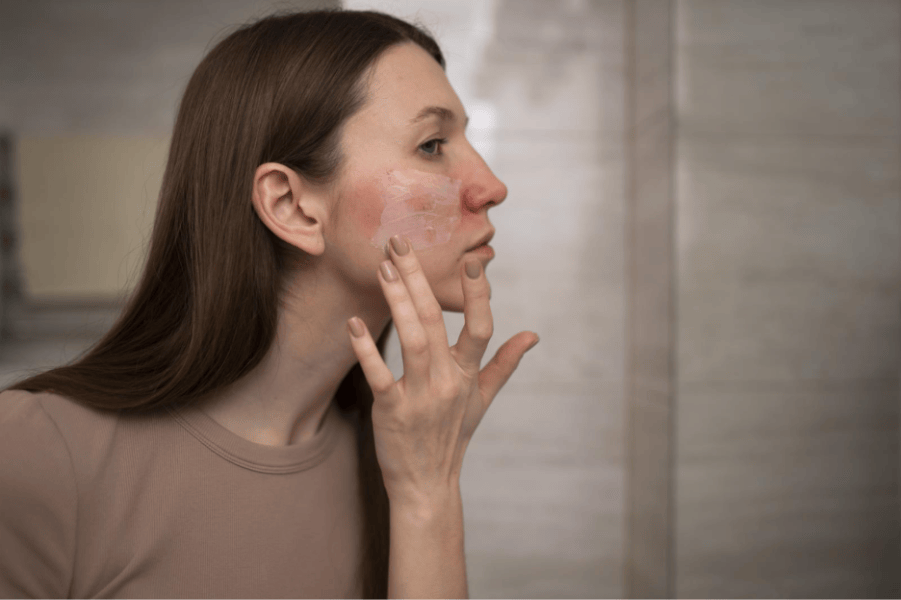
Your skin needs recovery time after winter travel, just like the rest of your body. Post-travel facials help repair damage from environmental stressors and restore your skin’s natural balance. Think of it as a reset button for your complexion after travel challenges.
Travel dehydration, stress, and environmental exposure can leave your skin looking dull and feeling rough. Professional post-travel treatments can quickly restore your skin’s healthy appearance and feel. This is particularly important if you have work or social commitments immediately after returning home.
Post-travel facials also help prevent long-term damage from accumulating. Regular recovery treatments keep small problems from becoming bigger issues over time. This preventive approach maintains healthier skin in the long run.
Restoring skin’s vitality
Post-travel restoration focuses on bringing back your skin’s natural glow and smoothness. These treatments typically combine gentle exfoliation to remove travel-damaged skin cells with intensive hydration to restore moisture levels. The result is fresher, more vibrant-looking skin.
Circulation-boosting treatments help restore the healthy blood flow that travel stress can disrupt. Facial massage and certain professional treatments stimulate blood circulation, bringing nutrients back to your skin cells and helping them recover more quickly.
Vitamin and antioxidant treatments help repair cellular damage from travel stress and environmental exposure. These nutrients support your skin’s natural repair processes and help restore the healthy appearance that travel conditions can diminish.
Recovery and rejuvenation treatments
Recovery facials often include gentle enzyme treatments that remove damaged skin cells without harsh scrubbing. These enzymes work specifically on dead and damaged cells, leaving healthy cells intact. This selective approach promotes faster healing and renewal.
Rejuvenating treatments might include light therapy or oxygen infusion to stimulate cellular repair. These advanced techniques help your skin recover from travel stress more quickly than it would naturally. However, these treatments should only be done by qualified professionals.
Customized recovery treatments address the specific damage your skin experienced during travel. Your aesthetician can assess what your skin needs most and tailor the treatment accordingly. This personalized approach provides better results than generic post-travel care.
Additional Recommendations
Timing facials before important events
Schedule pre-event facials 3-5 days before important occasions during your winter travel. This timing gives your skin enough time to settle after treatment while still providing maximum glow benefits. Getting facials too close to events risks unexpected reactions or sensitivity.
For major events like weddings or important business meetings, consider doing a test facial 2-3 weeks before your actual pre-event treatment. This test run helps you know exactly how your skin will respond and allows time to adjust the treatment if needed.
Avoid trying new facial treatments right before important events, even if they’re highly recommended. Stick to treatments you’ve had before and know work well for your skin. Save experimentation for times when you have flexibility to deal with unexpected results.
Avoiding potential skin irritation
Choose gentle, proven treatments over aggressive or experimental ones, especially during travel season when your skin is already stressed. Harsh treatments can cause redness, peeling, or breakouts that take days or weeks to resolve.
Communicate clearly with your aesthetician about your skin’s current condition and any sensitivities you’ve experienced. Don’t downplay concerns or skip mentioning products that have caused problems in the past. This information helps prevent irritation.
Start with shorter, gentler treatments if you’re unsure how your skin will respond. You can always increase intensity in future appointments, but you can’t undo irritation from treatments that are too aggressive for your current skin condition.
Professional consultation importance
Regular consultation with skincare professionals at the Best Med Spa in NJ, or another area, becomes even more valuable during heavy travel periods. These experts can help you develop a comprehensive strategy for maintaining healthy skin throughout your travel season.
Professional assessment helps identify potential problems before they become serious issues. Aestheticians can spot early signs of damage or sensitivity that you might miss and recommend preventive treatments to address these concerns.
Building a relationship with a trusted skincare professional gives you someone to consult when travel conditions change or unexpected skin problems arise. This ongoing support system helps you maintain consistent skin health regardless of your travel schedule.
Your winter travel skincare strategy should be as personalized as your travel itinerary. By understanding how winter conditions affect your skin and timing professional treatments appropriately, you can maintain healthy, glowing skin throughout your travels. Remember that consistency and professional guidance matter more than frequency alone when it comes to facial treatments during winter travel season.
Last Updated on June 15, 2026
