
The fault in a car accident in Georgia depends on the actions that each driver took in the accident, the accident evidence, and how those actions led to the injuries or property damage. Police reports, photos, witness statements, traffic laws, and vehicle damage can help determine what occurred.
Alpharetta is in Fulton County and has a mix of residential neighborhoods, shopping centers, business districts, and busy intersections. Roads such as North Point Parkway, Old Milton Parkway, and Windward Parkway can see substantial daily traffic, creating different circumstances in which collisions may occur.
When an accident happens in Alpharetta, an Alpharetta car accident lawyer can assist with examining the available evidence and applying Georgia’s fault rules to the circumstances of the crash.
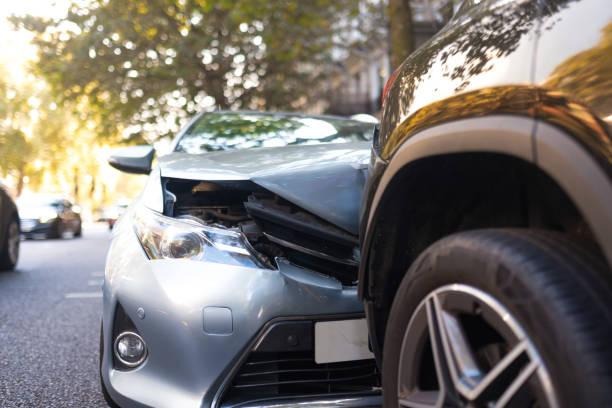
What Evidence Helps Establish Fault?
Investigators normally trace back the events just prior to the impact. If a driver’s negligent behavior, such as running a red light, following too close to the vehicle ahead, switching lanes without proper signals, or distracted driving, is a cause of the crash, he or she could be deemed negligent.
One of the advantages of a Georgia crash report is that the police will record the location of the vehicles involved, what caused the accident, and any injuries that occurred. According to Georgia DOT, the GDOT-523 is the official form used by law enforcement agencies across Georgia to document and report motor vehicle crashes.
Other evidence might be:
- A picture or a video of the scene.
- Video captured by a traffic camera or a surveillance camera
- Records of damage to vehicles and repairs.
- When there is some kind of distraction, phone records are used.
How Does Georgia Comparative Fault Work?
Georgia is a state that has a “modified” comparative fault system. A plaintiff’s damages will be proportionately reduced based on a plaintiff’s percentage of fault pursuant to O.C.G.A. § 51-12-33. But if the plaintiff is responsible for 50 percent or more of his or her own injury, then he or she is barred from any damages under the statute.
So, if someone is awarded $100,000 and it is determined that the driver is 20 percent at fault, the amount of the award is typically lowered to $80,000. Under the statute, if that driver was determined to be 50 percent responsible, then you would not be able to recover anything.
Fault may also be shared by a number of individuals or entities who participated in causing an injury. This can be important if another driver, car owner, employer, or other party is involved.
What If Drivers Disagree as to Fault?
Insurers typically make an initial assessment of the fault, based on reports and evidence available. The “decision” is not necessarily final in situations of conflicting evidence.
When the issue goes to court, the “factfinder” considers evidence and decides who is at fault and how much money they need to pay to cover the damage. Details are important, such as if a driver was in the right of way or was in violation of a traffic rule.
Measures to Take After an Accident
- Take photographs of the location of vehicles, damage, road conditions, signs, and injuries.
- Get the accident report and write down the details of the witnesses.
- Store medical files, repair estimates, insurance correspondence, and costs.
- Don’t assume guilt until evidence is considered.
Key Takeaways
- Georgia fault is based on evidence and parties’ conduct.
- Details on police reports can be provided.
- Evidence such as photos, video, and vehicle damage might help support fault claims.
- Comparative fault is applied under O.C.G.A. § 51-12-33.
- Damages can be reduced according to a plaintiff’s percentage of fault.
- Unless the plaintiff is 50% or more at fault, he or she will not be entitled to damages.
Last Updated on September 18, 2026
