
Travelling with a group sounds wonderful in theory. Everyone you love in one place, sharing meals and making memories that will fuel conversations for decades. The reality often looks different. Conflicting schedules. Cramped accommodations. Too many opinions about where to eat dinner.
I have planned enough group trips to know that the difference between disaster and magic usually comes down to a few key decisions made early in the process. Get those right and everything else falls into place. Get them wrong and you spend the whole trip managing logistics instead of enjoying the people you came to be with.
This is what I have learned about planning trips that actually deliver on the promise of togetherness.

Start With Honest Conversations
The biggest mistake I see travellers make is assuming everyone wants the same thing. They book a trip based on their own vision without checking whether that vision matches what others need.
Before you research a single destination, have real conversations with everyone coming. Not just about where they want to go but about how they want to feel. Some people need downtime. Others want packed itineraries. Some travellers need accessibility accommodations. Others are chasing adventure.
These differences are not problems to solve. They are information to work with. A trip designed around honest input has a much better chance of satisfying everyone than one designed around assumptions.
I learned this the hard way on a family reunion trip where I booked what I thought was the perfect beach destination. Half the group hated beaches. We spent the week with people awkwardly avoiding the main attraction I had chosen. Now I ask questions first.
Why Accommodation Matters More Than You Think
Where you stay shapes everything about a group trip. It determines whether people gather or scatter. Whether mornings feel peaceful or chaotic. Whether the trip brings people closer or quietly drives them apart.
Hotels seem like the obvious choice. Everyone gets their own space. Housekeeping handles the mess. But hotels also fragment groups. People retreat to separate rooms. Shared meals require restaurant reservations. The spontaneous conversations that build connection never happen because there is no common space to hold them.
For multi-generational trips especially, I have found that renting a single large property changes the entire dynamic. When grandparents, parents and kids share a kitchen, a living room, a porch, something shifts. Mornings become leisurely instead of rushed. Kids wander between generations. Adults linger over coffee instead of disappearing behind closed doors.
Last summer my extended family booked a place to stay for large families that could fit all twelve of us under one roof. The difference from our previous hotel-based reunions was immediate. We cooked together. We played cards until midnight. The cousins who barely knew each other became inseparable by day three.
The extra effort of finding the right property paid off in connection that a collection of hotel rooms could never have created.

Build In Breathing Room
Overscheduled trips exhaust everyone. I know because I used to be the person who scheduled every hour, convinced that maximising activities meant maximising value.
It does not work that way. People need unstructured time. They need mornings where nothing is planned. Afternoons where wandering is the only agenda. Space to nap or read or simply sit and watch the world go by.
This is especially true for groups with mixed ages and energy levels. Children need downtime to avoid meltdowns. Older travellers need rest to enjoy the next day. Even the most energetic adults benefit from pauses that let experiences settle before rushing to the next thing.
I now build at least one completely open day into every group trip. No reservations. No must-see attractions. Just time that belongs to everyone and no one. Those days often produce the best memories because they leave room for spontaneity.
When Local Guides Transform Experiences
I used to think hiring guides was for people who could not plan their own trips. That changed after a few experiences where local expertise completely transformed my understanding of a place.
Guidebooks give you facts. Locals give you stories. They show you the cafe where something important happened. The street corner where history unfolded. The neighbourhood where real life happens away from tourist crowds.
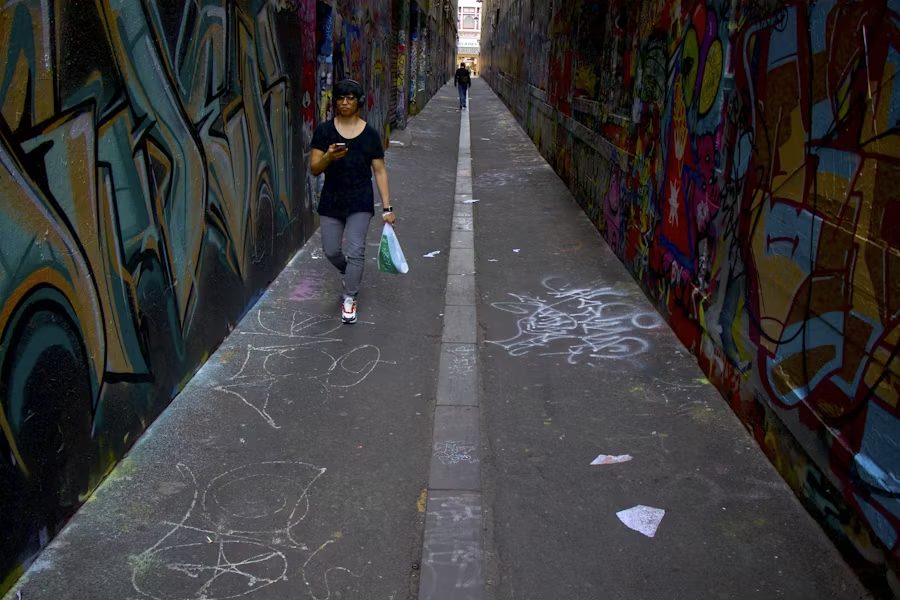
On a recent trip to Australia, I booked a tour guide Melbourne experience that reshaped how I thought about the city. Instead of wandering aimlessly through laneways, we learned why those laneways exist. We heard stories about the artists who transformed them. We visited places we never would have found on our own.
For group trips, guided experiences offer another advantage. They give everyone a shared foundation. Instead of half the group reading plaques while the other half scrolls their phones, everyone receives the same stories at the same time. Those shared reference points become inside jokes and conversation starters for the rest of the trip.
Not every day needs a guide. But strategic guided experiences at key moments can elevate a trip from pleasant to unforgettable.
Managing Money Without Managing Conflict
Nothing ruins group dynamics faster than money awkwardness. Who paid for dinner last night? Are we splitting groceries evenly even though some people ate more? What about the couple who ordered expensive wine?
Address this before the trip starts. Decide on a system and communicate it clearly. Some groups use apps that track shared expenses and calculate who owes what at the end. Others create a shared fund that everyone contributes to equally. Still others take turns treating the group to specific meals or activities.
The specific system matters less than having one. When money is handled transparently, nobody spends the trip silently tallying perceived unfairness. Everyone relaxes.
I have also learned to budget for unexpected generosity. Sometimes someone wants to treat the whole group to a special experience. Having flexibility in the budget makes it easier to say yes to these spontaneous gestures that often become trip highlights.
Protect the Non-Negotiables
Every traveller has them. The thing they absolutely must do or experience for the trip to feel complete. Maybe it is a specific restaurant. A particular museum. An afternoon of solitude. A chance to watch the sunset from a certain spot.
Identify these non-negotiables for everyone in the group before you finalise plans. Then protect them in the schedule. Build around them. Make sure they happen even if other things need to shift.
This practice accomplishes two things. It ensures that everyone gets at least one experience that matters deeply to them. And it communicates that their needs and desires are valued by the group. That emotional message often matters more than the experience itself.
The Art of Flexible Planning
The best group trips balance structure with spontaneity. Too much structure and the trip feels like a forced march. Too little and decision fatigue sets in as the group debates every meal and activity.
I aim for what I call anchored flexibility. Each day has one or two fixed points. Maybe a morning activity and a dinner reservation. Everything else stays open. People know what is happening and when but have freedom to fill the spaces between according to their own energy and interests.
This approach also handles the inevitable conflicts that arise in groups. When someone is tired or cranky or just needs alone time, they can skip the optional stuff without derailing the whole day. The anchors keep the group loosely coordinated while the flexibility keeps individuals sane.
What Actually Matters
After years of planning group trips, I have come to believe that the details matter less than the intention behind them. Perfect itineraries do not guarantee perfect trips. Perfect weather does not guarantee connection.
What matters is creating conditions where people can be present with each other. Where logistics fade into the background. Where the space itself encourages gathering. Where time expands instead of compresses.
The trips I remember most fondly are rarely the most elaborate or expensive. They are the ones where I felt truly together with the people I love. Where conversations went deeper than usual. Where we laughed until our stomachs hurt. Where something shifted in our relationships because we had unhurried time in a place that held us well.
That is what I plan for now. Not attractions or itineraries but connection. Everything else is just logistics in service of that deeper goal.
Last Updated on March 26, 2026
