
Trips to Gatlinburg tend to start with enthusiasm and stall somewhere around the second week of planning. There is a lot to sort out, the options multiply the more you look, and groups rarely agree on priorities without some negotiation.
The visitors who end up having the best week are usually the ones who made a handful of key decisions early and stopped agonizing over the rest. Most of what people worry about in advance turns out not to matter much once they arrive.
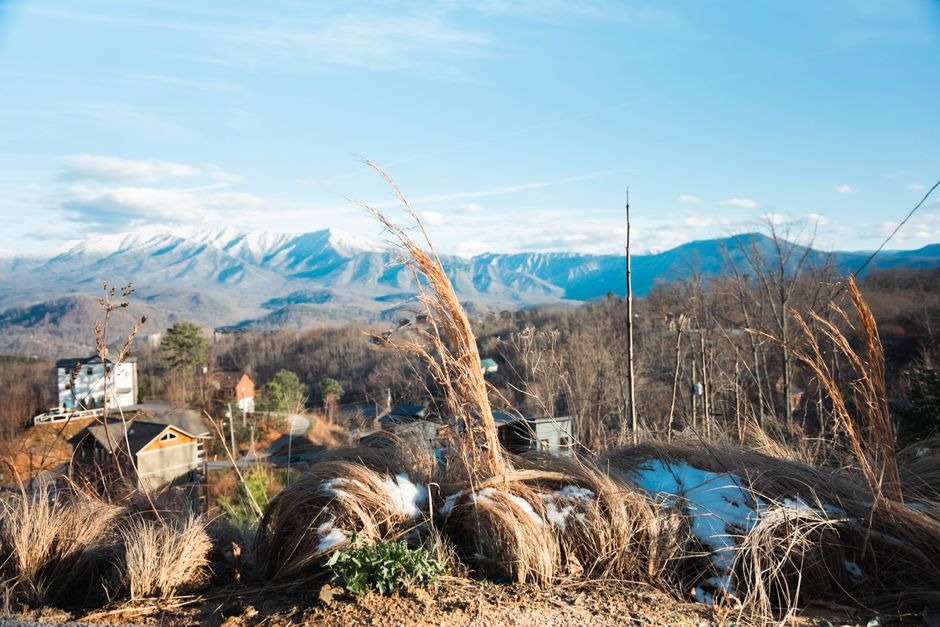
Settling Where Everyone Sleeps
This is the decision that shapes every other one, and it is worth resolving before anything else gets booked. Space matters more than people anticipate, particularly for groups, because a week of tripping over each other undoes whatever the days achieved.
Larger parties feel it fastest, since everyone falls into a different rhythm once the pressure of ordinary life comes off. Some are up at six for coffee on the deck, and others surface closer to ten, and a place with room to absorb that keeps the week easy.
Parkside Cabin Rentals offers excellent Gatlinburg cabin rentals with options running from one bedroom up to six or more. Private hot tubs, outdoor fireplaces, and mountain views are among the amenities, and pet-friendly properties are available for anyone bringing a dog along.
Deciding When to Come
Each season here is genuinely different, and the choice affects everything from crowds to what is actually open. Summer brings the longest days and the warmest weather along with the heaviest traffic on the main roads. Families with school-age children usually have no alternative, and it works fine provided you start early.
Autumn is the busiest by reputation, with color moving down the mountains through October and comfortable temperatures throughout. Book several months out. Winter is quiet and inexpensive, and bare trees open up long views the summer canopy hides completely, though higher roads sometimes close after snow. Spring brings wildflowers and steady creeks along with a fair amount of rain.
Working Out the Driving
Distances look shorter on a map than they feel in a car. The roads through the mountains wind considerably, and the main corridors through town fill up predictably from late morning through the early evening. A journey that takes ten minutes at eight can take forty by two.
Plan around it rather than fighting it. Get out early, come back for a break in the middle of the day, and head out again once the initial dinner rush thins. Cluster your activities geographically so you are not crossing town repeatedly. Fill the tank before heading into the mountains, since services disappear once you leave the main roads, and download maps in advance because cell coverage vanishes in the deeper valleys.
Choosing Hikes That Fit the Group
The trail network is extensive enough that almost anyone can find something suitable, and the common mistake is choosing by photographs rather than by numbers. Elevation gain matters far more than distance. A steep three-mile route will tire a group more than a flat five-mile walk along a river.
Start early on anything popular, because parking areas at the well-known trailheads fill by mid-morning. Sturdy shoes matter more than expensive gear, since roots, wet rock, and loose gravel cause most of the injuries here. Carry more water than seems necessary and turn back earlier than you think you need to, particularly with children.
Handling Food Without Losing Half the Day
Meal times swallow a surprising portion of a vacation day here. Waits stretch past an hour at popular hours, and that is a meaningful chunk of an afternoon spent standing around.
Shift your eating times and most of the problem disappears. Lunch before noon and dinner before five will get you seated almost anywhere. If your accommodation has a kitchen, using it for breakfast frees up the best part of the morning and saves a good deal of money over a week. Keeping snacks and water in the car covers the gaps.

Packing for Changeable Weather
Conditions in the higher elevations rarely match the forecast for town. Temperatures drop noticeably as you climb, and clouds settle over the ridges with little warning. Layers work better than any single heavy item, and a light rain shell takes up almost no space.
Comfortable shoes matter more than anything else in the bag, since a week here involves considerably more walking than most people plan for. Sunscreen and insect repellent are worth having even in cooler months. Beyond that, bring less than you think. Most of what visitors pack goes home unused.
Keeping the Costs Predictable
Spending accumulates in small amounts here rather than large ones. Individual admissions look reasonable until a family of four has done several things a day for five days. Agreeing a rough daily figure in advance makes the smaller decisions much easier and prevents the conversation about money from repeating every afternoon.
Look for seasonal specials and package deals, which frequently save more than people expect. Giving children a fixed souvenir allowance removes the daily negotiation entirely. Keep a small cushion aside, since most groups find one thing they had not planned for and would rather not skip.
📖 Recommended Reading: If you’re looking for more useful information, check out:
Leaving Room in the Plan
The parts of a Smoky Mountain trip people remember are rarely the ones written down beforehand. A quiet overlook nobody else stopped at, a slow morning that ran long, a walk taken on impulse. Those only happen when the schedule leaves space for them.
Book what genuinely needs booking, keep a loose list of ideas for the open stretches, and resist the urge to fill every hour. Groups who arrive with a rough outline and a willingness to change it consistently enjoy the week more than those working through a fixed plan. There is far more here than any trip can cover. Deciding what to leave out is part of doing it well.
Last Updated on August 18, 2026
