
Planning a family holiday to Thailand often involves dreaming of vibrant markets, beautiful beaches, and seeing magnificent wildlife up close. However, as eco-conscious travel becomes a greater priority for many families, identifying truly responsible animal attractions is an essential part of putting together your itinerary. Just as you might critically evaluate the welfare conditions at a local capybara cafe by ensuring the animals have plenty of space, agency, and are not forced into stressful interactions, you must apply similar scrutiny to larger wildlife venues. The reality is that glossy marketing can sometimes hide less ethical practices. For parents wanting to teach their children about animal welfare, this makes it vital to look beyond the brochures and do thorough research before booking any wildlife encounter.

The Shift Towards Observation-Only Experiences
The wildlife tourism industry in Thailand has seen a massive shift in traveller demand over the past decade. In 2010, an estimated 92 per cent of captive elephants in Thailand were utilised for tourist rides. Thankfully, this practice is now widely recognised as harmful, and the industry is responding to the call for better conditions. A comprehensive assessment conducted between February 2024 and January 2025 across 236 Thai tourism venues revealed that the proportion of captive elephants housed at venues offering strict, hands-off observation experiences rose to 7.3 per cent.
While this shows steady market growth, there is still significant room for improvement. According to the latest elephant friendly tourist guide published by World Animal Protection, two out of three elephants are kept in poor living conditions, and 42 per cent of elephants globally are still used for rides. Choosing venues that prioritise natural behaviour over entertainment is the most powerful way tourists can drive positive change and encourage the broader industry to adapt.
Supporting Indigenous Communities and Rescued Wildlife
Since commercial logging was officially banned in Thailand in 1989, ethical tourism frameworks have become the primary mechanism for rescuing formerly working animals. In Northern Thailand, the Karen people, who are historically recognised as the country’s traditional elephant keepers, have pioneered a new path forward. For tourists searching for an authentic elephant nature park in Chiang Mai is a province that consistently stands out for its community-led conservation and ethical care.
These indigenous, community-operated eco-parks have successfully transitioned from traditional riding camps to managed community forests where rescued elephants can socialise and forage freely. Unlike highly commercialised entertainment venues, these Karen community projects emphasise deep ecological integration. They ensure elephants can utilise vast, natural mountainous terrain safely without disturbing village crops. Visiting these specific projects means your spending directly supports a circular local economy, funding sustainable alternatives to forced labour while preserving invaluable indigenous cultural traditions.
Key Signs of a Truly Ethical Attraction
Under Thailand’s current legal framework, captive elephants are still classified as livestock under a law dating back to 1939. This outdated classification underscores the critical need for tourists to support sanctuaries that voluntarily enforce strict, modern welfare standards. When evaluating a wildlife sanctuary for your next family trip, keep an eye out for these essential indicators:
- No riding or unnatural performances: Genuine sanctuaries do not offer rides, shows, or forced interactions. They champion the ‘Saddle Off’ model, which is a growing industry initiative that encourages traditional camps to permanently abandon riding and transition to a sanctuary-based approach.
- Adequate space and natural habitats: The animals should have access to vast, natural terrain. They need room to roam, forage, and express natural social behaviours without being confined to small, barren enclosures.
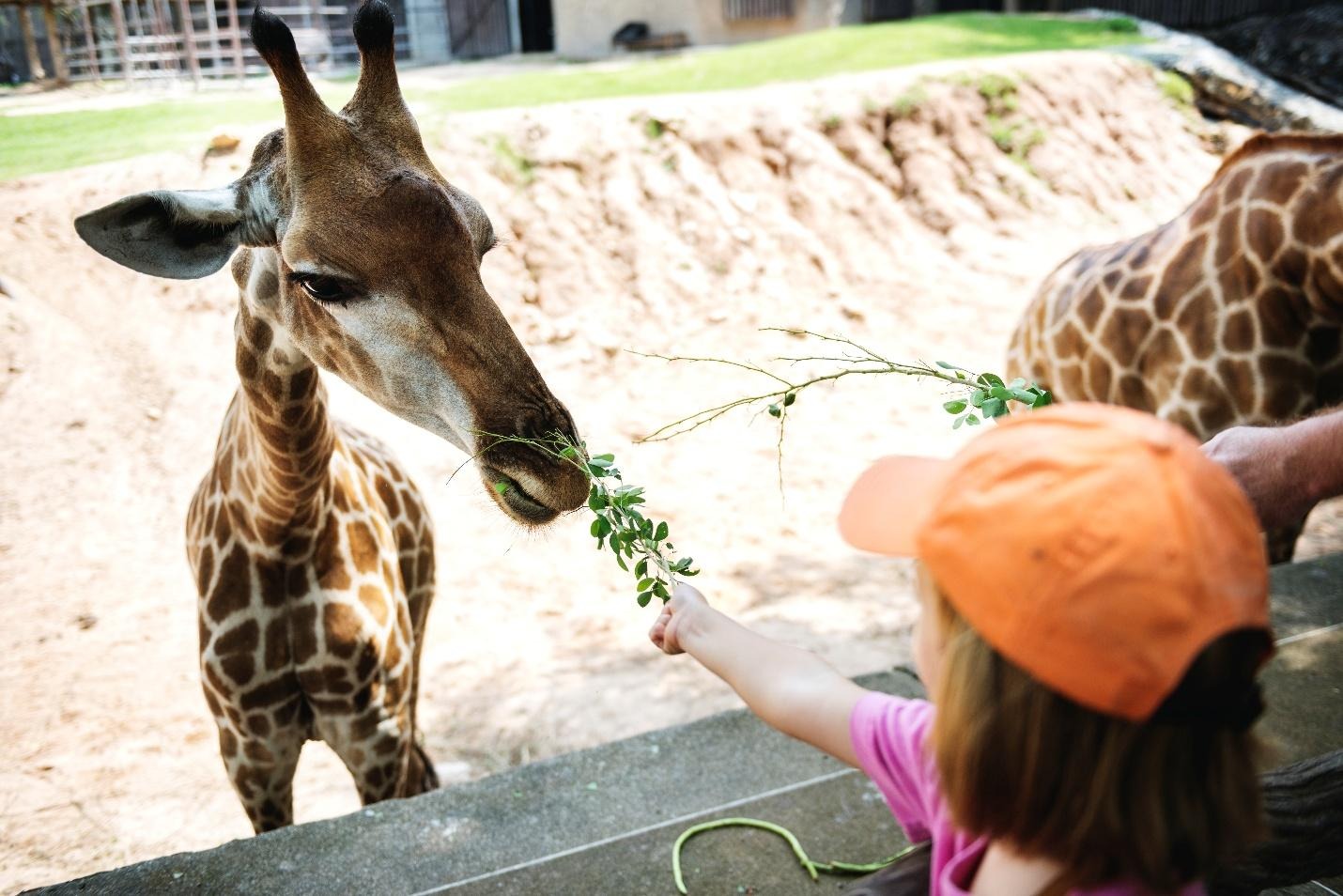
- Observation over interaction: Ethical venues prioritise cruelty-free observation. Visitors are encouraged to watch the animals from a respectful distance rather than participating in forced bathing sessions or taking staged selfies.
- Recognised sustainability ratings: Look for operations endorsed by official bodies. The Tourism Authority of Thailand issues a Sustainable Tourism Acceleration Rating (STAR), assessing venues across 17 distinct criteria to help travellers identify genuinely eco-friendly operations.
An adult Asian elephant consumes upwards of 200 kilograms of food every single day. Because of this massive dietary requirement, ethical tourism dollars are a critical lifeline for funding their ongoing diet, daily maintenance, and expert veterinary care. When families choose responsible interactions over entertainment, they cast a powerful vote for sustainable tourism and animal welfare. By taking the time to carefully choose a responsible sanctuary, your family holiday will not only be incredibly memorable, but it will also actively contribute to the long-term protection and preservation of Thailand’s most revered wildlife. Making informed, compassionate choices ensures that future generations will continue to be able to witness these gentle giants thriving peacefully in their natural, wild habitats for decades to come.
Last Updated on July 15, 2026
