
People have changed in the way they drive due to Adaptive Cruise Control (ACC), making driving convenient and safer when driving on busy roads. With more and more vehicles integrating this system in their design, many are curious about the benefits of adaptive cruise control and its function.
This advanced feature adjusts your speed automatically to match the vehicle in front of you. It helps distance yourself from this car and reduces stress during long drives and in heavy traffic.
What Exactly Is Adaptive Cruise Control?
Adaptive cruise Ccontrol is a more advanced version of cruise control. Rather than keeping a steady speed, it uses radar sensors, cameras, and sometimes lasers to see vehicles ahead of you. When traffic slows, a system slows your vehicle down automatically. When the road clears, it accelerates back to the preset speed.
Many newer models even offer “stop-and-go” functionality, which sees the car slow to a complete stop and then speed up again automatically in slow traffic. This feature marks a significant step towards semi-autonomous driving, a shift that allows for a smoother transition to a fully driverless future.
How Does Adaptive Cruise Control Work?
The technology of ACC utilizes forward-looking sensors and real-time data. Here is how it typically functions.
- There are sensors and cameras that check the distance and speed of the vehicle ahead of you.
- Your speed is automatically reduced or increased so that you can maintain a safe distance.
- If the system detects a possible hazard or requires the driver’s intervention, a driver prompt may appear.
Car makers have their own names for such systems. Some work only at highway speeds. Others work in city driving conditions. Your vehicle’s manual educates you on your system’s limits and capabilities.
Why Adaptive Cruise Control Is Not Foolproof
Although ACC has its benefits, it should not replace active driving. The system has some limitations, especially in conditions like:
- Heavy rain, fog, or snow.
- Dirty or blocked sensors.
- Poorly marked roads.
- Sudden traffic cut-ins.
Over-reliance on ACC can create a false sense of security. The driver must always be ready to take control when the system cannot respond in time.

Safety Tips for Using Adaptive Cruise Control
Drivers need to follow best practices to get the most out of ACC without compromising safety. You should:
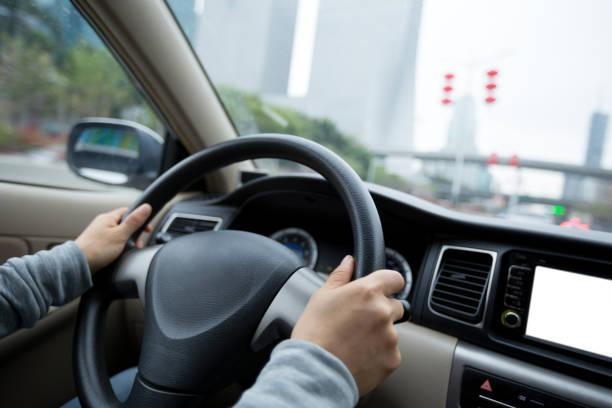
- Stay engaged. Keep your hands on the wheel and your eyes on the road.
- Understand your system. Each manufacturer’s ACC (Adaptive Cruise Control) system is different. Understand how they react.
- Clean sensors regularly. Dust, debris, or ice interferes with the radar and camera functioning.
- Avoid using it in poor weather. When you suspect the sensors will not work, take control.
- Combine it with awareness. Think of ACC as a helpful companion, not a substitute for safe driving.
The Legal and Insurance Angle
As an ACC policy becomes more common, accident liability is likely to change. In cases where the ACC is at fault, investigators often examine whether the system failed or if the driver did not intervene in time.
When determining fault, insurance companies might also view ACC data. If you ever find yourself in a car accident, understanding how your vehicle collects and utilizes this information may be useful.
Key Takeaways
- Adaptive Cruise Control relies on sensors to maintain a safe distance and provide comfort.
- The system is convenient but requires the driver to supervise.
- The performance can be affected by sensor interference, weather conditions, and over-reliance.
- Using a car quite responsibly can make it easier to drive, less stressful, and much safer. It will, however, never make the car fully automated.
Adaptive cruise control is probably one of the safest and most useful innovations in vehicles. When used properly, it enhances comfort and reduces fatigue. But just like any other tool, its effectiveness lies in the hands of a proficient driver, who can stay alert and informed.
Last Updated on December 3, 2025
