
If you travel with kids, your calendar rules your day. School terms, flight sales, and grandma’s birthday all compete for time. Add a U.S. immigration plan to that list and things can feel heavy fast.
Parents who qualify for the extraordinary ability route often ask how the rules fit a real family schedule. The EB1A Criteria set a clear bar, and a smart plan helps you meet it without pausing your family’s life. This guide explains the basics, shows what proof looks like in plain English, and covers travel timing with children.
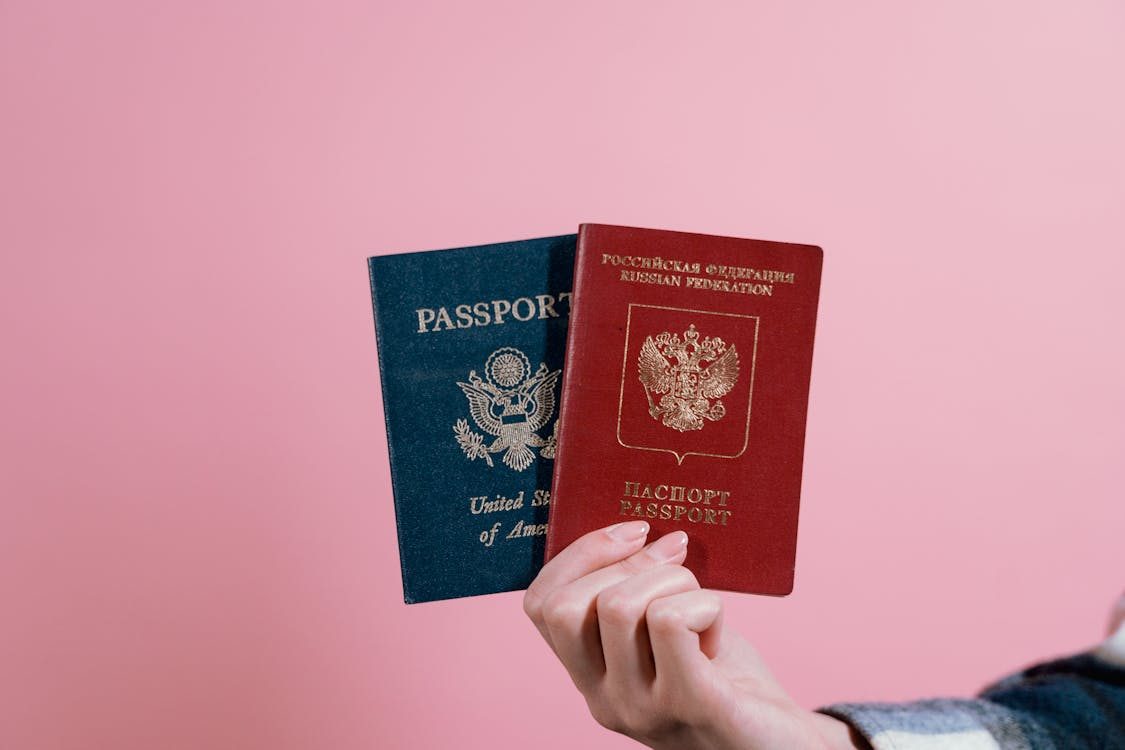
EB1A Overview
EB1A is a path to a U.S. green card for people at the top of their field. You do not need an employer sponsor. You self-petition by showing you have sustained national or international recognition.
U.S. officers first check whether your evidence meets at least three out of ten listed categories. After that, they look at the whole picture and ask if your record shows you truly stand out.
For families, the key is that a strong case can move forward while you continue daily life. You can file from abroad through a U.S. consulate, or from inside the United States if you are in a valid status.
Your spouse and unmarried children under 21 can usually apply as dependents once your main case progresses.
Who Can Qualify
Parents who qualify often share a few patterns, even across different fields.
- You receive awards that people in your industry know by name. Think national prizes, major circuit titles, or named grants. A local certificate from a small club will not carry the same weight.
- Trusted media cover your work. That could be interviews in recognized outlets, features in field-specific magazines, or mainstream press when your work impacts the public.
- Your role includes judging others’ work or leading projects many people rely on. That might be sitting on a jury panel, reviewing for a reputable journal, or directing a program with wide use.
- You publish, design, or ship work that is widely cited or adopted. Citations, downloads, sales, patents in use, or measurable users all help.
- You earn at a high level compared to peers, or you hold a top job title that reflects leadership in the field.
You do not need every point, but your record should show steady recognition over time. That steadiness is helpful for parents, since it means you can build proof while keeping your kids’ routines stable.
Proof You Can Use
Travelers with kids need clear checklists. Here is how common proof looks, and how to gather it without blowing up your schedule.
- Awards: Keep official award letters, event programs, and news coverage. If the prize is not widely known, add facts that show its status, like the number of entrants or the list of past winners.
- Media: Save full articles with the outlet name and date. Screenshots should include the URL and publish date. If the piece is behind a paywall, get a PDF from the publisher.
- Judging and leadership: Collect invitations, thank-you letters, and public bios from the event or organization site. Meeting minutes or organizer statements also help.
- Publications or shipped work: Keep links, DOIs, ISBNs, app store pages, or product announcements. Add metrics where possible, like citation counts, user numbers, downloads, or sales figures. A short table with dates and metrics reduces back-and-forth later.
- Original contributions: Explain the practical impact. Did your method change a standard workflow, reduce costs, or improve safety? Pair a short summary with letters from independent experts who can speak to outcomes in plain terms.
- Earnings and roles: Provide contracts, tax forms where available, pay statements, and organizational charts that confirm rank.
Set a monthly “evidence hour” to file and label these items in a shared folder. That routine is family-friendly and reduces stress when you are ready to file.
Travel And School Plans
Your path affects when and how you travel.
- Consular processing abroad: You file your main petition, then complete immigrant visa steps at a U.S. consulate. This is helpful if you plan to stay in your current country until a set date, for example after a school year. Travel to the interview is usually a short trip, and your family’s visas are issued after approval.
- Adjustment of status in the U.S.: If you are in a valid status inside the country, you may file for a green card there. While that case is pending, many applicants request advance permission to travel and to work. This option can work if you want your kids to start school in the U.S. sooner, but you should plan travel only after you receive the proper documents.
- Vaccines and medicals: Medical exams are part of the immigrant process. Keep your children’s shot records updated to avoid last-minute clinic runs before a consular interview or adjustment appointment.
- School calendars: Map your filing to breaks or term starts. Families often aim for interview dates in the summer or mid-year breaks. If you adjust status in the U.S., plan for fingerprint and medical appointment windows near home.
- Passports and name changes: Check that everyone’s passports are valid for at least six months past the planned entry. If a child’s name recently changed, carry legal proof to match records.

Strong Support Letters
Independent letters can carry real weight. Strong letters come from people who know your work and who are not your direct employer or close collaborator. They explain your contribution in concrete terms that non-experts can follow.
A helpful format is three to five paragraphs that cover who the writer is, how they know your work, what your work changed, and measurable outcomes.
Avoid broad praise with no facts. Instead, cite test results, adoption rates, safety records, awards, or peer use. For artists, include festival selections, gallery placements, streaming counts, or sales.
For entrepreneurs, include users, revenue bands, or partnerships with known names.
Your Case Plan
A short plan reduces stress for traveling families.
- Choose your three strongest criteria. You can include more, but set a base you can prove well.
- Create a folder per criterion. Put only clean, labeled items in each folder. Add short summaries that explain what the item is and why it matters.
- Set a calendar. Pick weekly or monthly tasks. For example, gather two articles this week, request one expert letter next week, and compile metrics the week after.
- Mind the final review. Officers look at the total record after the basic checklist. Aim for a clear theme of impact that shows recognition beyond your own team or clients.
- Pick your path. Decide early whether you will process at a consulate or inside the U.S. Match that to school dates, work trips, and family commitments.
Final Takeaway
Set a plan that fits your family calendar, then stick to it. Pick your three strongest EB1A criteria, gather clean proof, and line up two or three independent letters that explain your real impact. Choose consular processing or adjustment based on school dates and travel needs.
Keep passports and medical records current to avoid last-minute scrambles. A steady routine wins here. One hour each month to label files, track metrics, and request letters is enough to move your case forward while you keep daily life running.
Questions Parents Ask
Your spouse and unmarried children under 21 generally apply as dependents. Their paperwork follows your main case steps.
It depends on your filing path and current status. Many families use consular processing if they need to move in and out of the U.S. on a set schedule. If filing inside the country, plan travel only after you receive the correct travel document.
Local awards can help, but you usually need items that show recognition beyond your immediate circle. Broaden your proof with media, leadership roles, and measurable public impact.
Some steps can be expedited for a fee. Check current rules and whether your petition type qualifies. Families often use this when a school move date is fixed.
Use simple claims and proof. One sentence per outcome, followed by a data point. Short charts or tables help.
Last Updated on November 21, 2025
