
I know that the dream of changing your static desk for a laptop on a beach, a café in a historic capital, or a cabin in the mountains is powerful. I have been doing that for several years, even long before it had the title “Digital Nomad”, but I also know that making it a reality requires more than just a passport. A successful transition from a traditional life to a location-independent one lies in thoughtful, practical planning, and while this dream is totally achievable, it’s not all Instagram sunsets and coconut water. This guide walks you through the essential things to consider before relocating as a digital nomad.
Highlights:
- Plan carefully: It’s not a permanent vacation. You need a good plan for it to work.
- Choose your destination wisely: Make sure it has fast internet, fits your budget, and has a community you like.
- Sort out your legal stuff: Check visa rules and talk to an expert about taxes to avoid problems.
- Get good travel insurance: Your normal health insurance won’t cover you abroad.
- Prepare for emotions: You might get lonely. Schedule calls with home and try to make new friends.
- Work comes first: Set a routine and boundaries so you can keep your job and afford the lifestyle.

But before: How it all started for me, and why you should take my word?
Well, it all started when, for my second year of University, I did a study abroad program in London, UK, and that trip solidified my need to travel and experience the world… after that, I backpacked across Western Europe and by the age of 26 I had already visited over 40 states in North America, as well as several other countries.
Afterwards, I decided to travel to Central America, visited Tikal Mayan Ruins in Guatemala, met my husband, and moved to Costa Rica, then to Guatemala, where I raised my kids, and now we relocated to Spain… I spent all those years relocating, traveling, and working as a digital nomad!
Now, let’s break down the real stuff you need to think about before you book that one-way ticket.
Choosing Your Destination with Practicality in Mind
The first thing is choosing the right destination; nowadays, it’s much easier thanks to faster internet connections and the boom in remote working.
I know how easy it can be to pick a spot because the photos look cool, but you’re not just a tourist; you’re going to be living there. That’s why the right location can make your experience incredible, but the wrong one can be a frustrating nightmare.
Based on today’s standards there are three main points I would consider while choosing the right location:
The Internet
This is your oxygen. Without reliable, fast internet, you’re not a digital nomad; you’re just on an unplanned vacation that might get you fired or broke.
That’s why it’s a must that you do your homework. Don’t just check the average speed for the country, narrow it down to the specific city or neighborhood, and check different companies plans and reviews. Tools like UberSignal can also help strengthen connectivity, ensuring you stay online wherever your travels take you.
I highly recommend that you also check Facebook groups for digital nomads in that area; those are gold mines for real, up-to-date info on a lot of things, like which cafes have the best Wi-Fi or which co-working spaces are worth the money.
Cost of Living
One of the biggest perks of this life is geoarbitrage. What is that? Well, basically, it’s earning money in a strong currency while living in a place with a lower cost of living.
But you have to be realistic; that’s why you must create a detailed budget that includes rent (look at sites like Airbnb for monthly rates), groceries, co-working memberships, transportation, and, of course, fun money for exploring.
Always plan for things to cost a little more than you expect. A good rule of thumb? Have a financial cushion that can cover at least three months of expenses. It will give you a good start and plenty of time to get comfy.
Community & Vibe
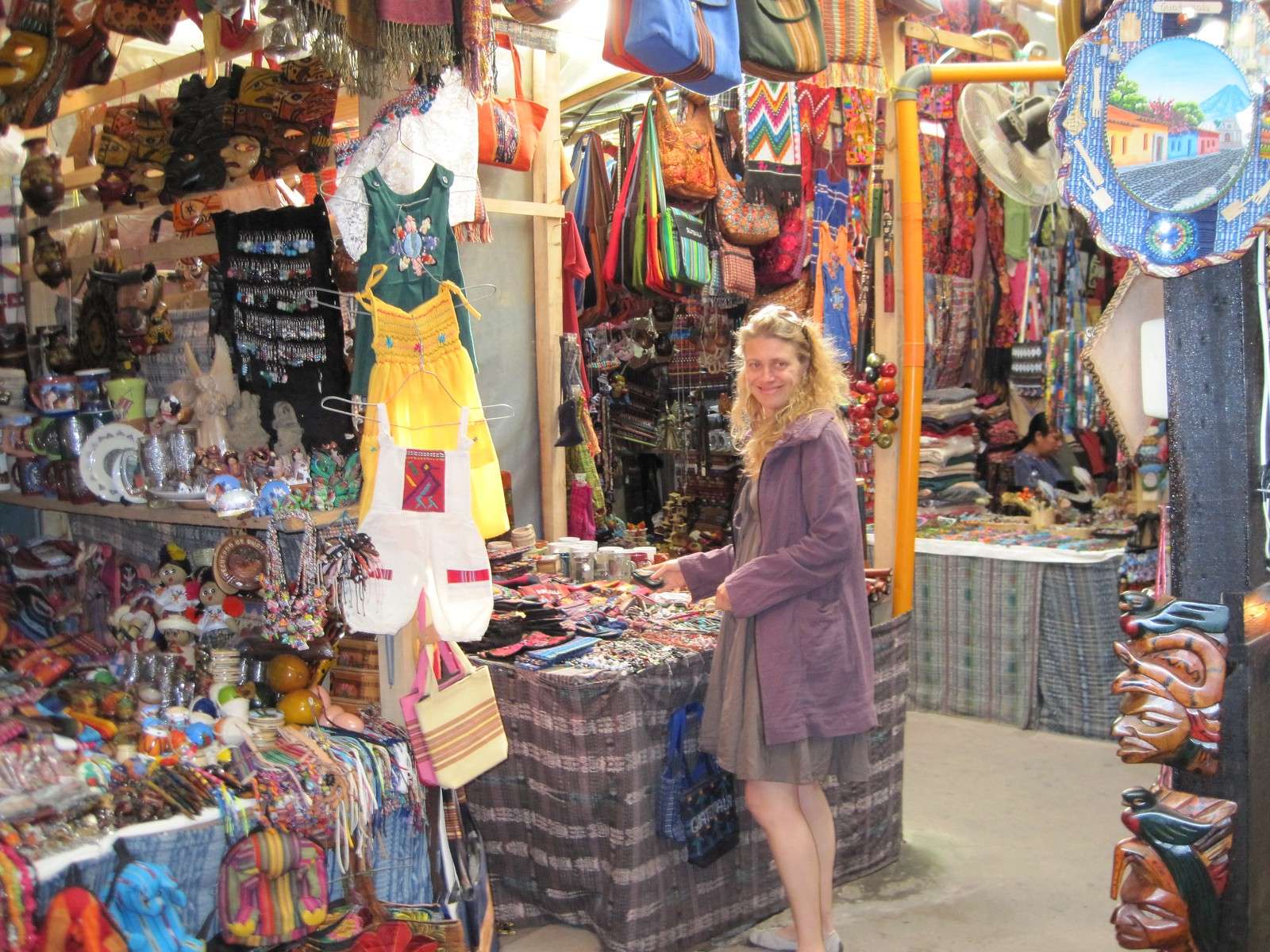
Working alone all day can get lonely, fast, especially if you’re abroad; that’s why the community is everything. Some cities are built for digital nomads, with tons of events, meetups, and an amazing social scene, but others might be quieter.
Ask yourself: Do I want a city with nightlife, or a quiet town for focus? Do I want to be surrounded by other nomads, or fully immerse myself in the local culture? There’s no right answer, but knowing what you need will help you choose.
Despite that, if it’s your first time, I highly recommend that you choose a place that has a huge digital nomad community. This way, you will be surrounded by like-minded people and learn a lot faster.
Understanding Legal and Tax Implications
Another thing you MUST be aware of is all the legal and tax implications, yeah, it’s not all fun, but it’s time for the “adulting” section. This stuff may be boring, but it’s absolutely critical to get right, and the first thing you need to let sink in is that you can’t just show up anywhere and stay forever.
Most countries will let you visit visa-free for 30 to 90 days. But what if you want to stay longer? The first thing I would suggest that if you’re relocating to London is that you contact an immigration expert, they are really helpful with all of the legal implications.
On the other hand, many countries are now offering special Digital Nomad Visas, which are designed specifically for people like you. These visas legally allow you to reside and work remotely in the country for a year or more. Research this thoroughly for your chosen destination, and keep in mind that the rules are always changing!
Now, if your chosen country doesn’t offer a digital nomad visa, you can always leave the country and enter again. For example, Guatemala offers a 90-day visa-free stay for Americans, and in order to reset this, you need to leave the CA-4 countries (Guatemala, El Salvador, Honduras, and Nicaragua) and re-enter Guatemala. After that, you’re able to opt for the 90-day visa-free stay again.
Taxes
Something you need to know is that becoming a digital nomad can make your tax situation complicated. The key question here is: where are you a tax resident?
Why? The rules vary wildly depending on your home country and how long you spend in other places. You could potentially owe taxes in both countries if you’re not careful.
This is one area where it’s 100% worth it to talk to a professional accountant who specializes in expat or nomad taxes. It might cost you a few hundred dollars now, but save you thousands later.
If you’re planning to stay location-independent for the long term, choosing the right U.S. home base can make a bigger difference than most people expect. Beyond mailing logistics, your state of residency affects taxes, vehicle registration, voting, banking, and even health insurance access. For many remote workers and full-time travelers, states like Florida, Texas, and South Dakota often come up as the best choice because they combine straightforward residency requirements with no state income tax. Taking time to compare the practical requirements before you move can save a lot of administrative stress later.
Building a Reliable and Portable Workspace
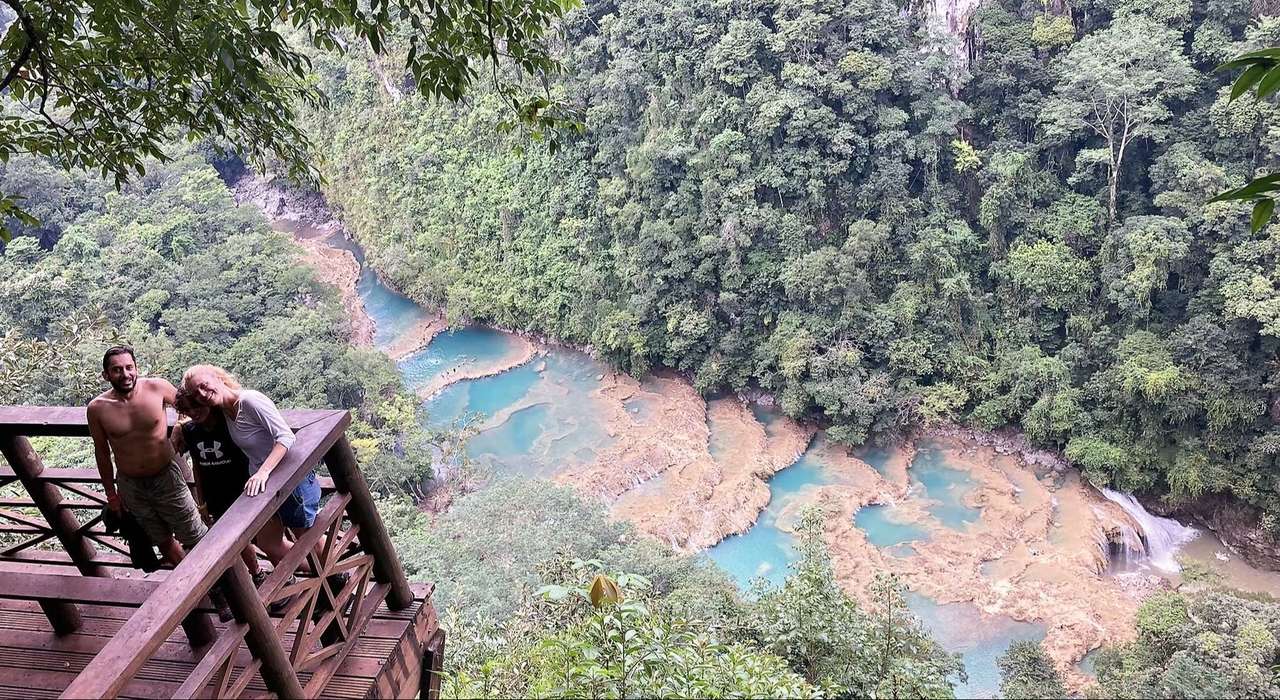
After you get all of the planning, taxes, and other legal implications ready, you need to start thinking about your working environment. This directly impacts your work, and here is where many people who don’t have experience working remotely fail, so setting up a productive routine will be your secret weapon.
You don’t need every gadget under the sun, but a few key items will save your sanity. A lightweight laptop is a given, but have you thought about a portable monitor to boost your productivity? This will come in really handy for multitasking. A universal travel adapter is a must-have, too, so that way you can actually plug things in. Noise-canceling headphones are a game-changer for noisy dorm rooms or cafes.
I know that doing this can be scary, but you don’t need to pack everything! Every ounce counts when you’re carrying your life on your back. Make sure you pack smart.
Now that your gadgets are ready, you need to ask yourself some questions: Where will you actually work? Your bed? A hostel common room?
While it’s possible to work from places like that, it’s really hard; that’s a fast track to distraction. That’s why co-working spaces are worth every penny for a reliable desk, fast internet, and a professional environment. They’re also the best way to meet people!
But if a co-working space isn’t an option, find a few reliable cafes, or build a comfy place to work in your accommodation, and remember that structure is your friend. Set work hours, take real breaks, and try to separate your “work space” from your “life space” even when they’re just five feet apart.
Your Health and Safety are Non-Negotiables on the Road
Research the safety of your chosen destination carefully, but more importantly, develop your street smarts. Keep your valuables secure and out of sight. Be aware of your surroundings, especially at night, and learn a few phrases in the local language. But most importantly, trust your intuition. If a situation or a person feels off, remove yourself from it. Your gut feeling is your best travel guide.
You can’t enjoy paradise if you’re sick, injured, or feeling unsafe. This is the real deal, especially if you’re in another country, under a different culture. Take good care of yourself and be prepared to face the differences between the medical care you’re used to with the one in a new country.
Not only that, but your domestic health insurance almost certainly won’t cover you abroad, so do not skip this and get insurance from a company in the country you’re relocating to as a digital nomad or get travel health insurance; those are usually a bit more expensive but will cover you no matter where you are. Because a bad toothache or breaking a bone in a foreign country can be incredibly expensive and stressful.
Look for insurance that includes long-term stays and medical evacuation. Some good examples from the top of my head are companies like SafetyWing and World Nomads, which are actually built for this lifestyle. It’s a necessary cost.

Preparing for the Mental and Emotional Challenges
This might be the biggest surprise for new nomads; most people think that “how can my dream bring mental and emotional challenges?”, but believe me, this lifestyle can be emotionally taxing.
Keep in mind that you will miss birthdays, holidays, and inside jokes with friends back home. You might have days when you feel disconnected and lonely. That’s normal.
The solution is to be proactive, schedule regular video calls with family, push yourself to go to that nomad meetup even when you feel shy, and keep an eye open for burnout. When your “office” is a beach, it’s hard to ever truly log off. Don’t fall for that “the beach will always be there, just a few more hours of work”, no, permit yourself to have a weekend free, to be a tourist.
Also, avoid city hopping (unless you’re just visiting). A huge mistake most beginners make is trying to move to a new city every week. That’s exhausting and a surefire way to burn out. Instead, try slow travel. Stay in one place for a month or more.
This gives you time to actually know a place, find your favorite coffee shop, make real friends, and find a productive rhythm. It’s also almost always cheaper.
The world isn’t going anywhere. You have time.
Remember: It’s Not a Permanent Vacation, It’s a Location-Independent Job
While most people try to romanticize the lifestyle, you need to remember that you’re not on vacation. If you start to treat the lifestyle as a permanent vacation, you will start to feel less and less productive, and in a worst-case scenario, you will get fired. I have met a lot of digital nomads who fell for this, and they all were back home in less than a year.
I don’t say that you can’t go out, explore, and visit attractions… no, after all, it’s the whole point of this lifestyle, but always keep in mind that your job and money income are what fuel this way of living.
This is the biggest mindset shift you need to make. If you treat this lifestyle like a non-stop holiday, you’ll burn out faster than a cheap candle. You have to remember the “digital” part of “digital nomad.” This is your job. You just happen to do it from cooler places.
That means some days, you’ll be inside working for eight hours while everyone else is out exploring. It means saying “no” to a spontaneous day trip because you have a project deadline. Setting clear boundaries between “work time” and “play time” is crucial for your success and your sanity.

📖 Recommended Reading: If you’re looking for more useful information, check out:
Conclusion
Becoming a digital nomad is one of the most rewarding and life-changing decisions you can make (it sure was, at least in my case!). It’s not about running away from your life, but about running toward a new way of living, one packed with freedom, adventure, and incredible people.
Yes, it requires planning and facing a bit of bureaucracy, but by thinking about these things now (your destination, your logistics, your setup, and your mental health), you’re not killing the dream. You’re building a foundation strong enough to make that dream last.
FAQs
Absolutely, yes. There are major legal and tax implications for your company if you work from another country without their knowledge.
Use a mail forwarding service (like EarthClassMail or a similar service in your home country) that scans your mail digitally. For important documents, have them sent to a trusted family member’s address. For packages, research international shipping to your location or use Amazon’s local site for your new country.
Avoid exchanging cash at airport kiosks, they have terrible rates. Use a multi-currency financial app like Wise, which gives you a debit card and lets you hold and convert dozens of currencies.
Yes! The remote work world has exploded. Many people are now “location-independent employees.” The key is having a remote-friendly job.
In most digital nomad hotspots, you can get by with English. However, learning even a few basic phrases (hello, please, thank you, sorry, where is the bathroom?) in the local language goes a long way.
A good rule of thumb is to have at least 3-6 months of living expenses saved up, separate from your travel fund. This acts as a safety net for slow work months, emergencies, or unexpected costs like a last-minute flight or a new laptop.
Last Updated on June 19, 2026
