
It’s early morning in Chengdu, and the air still feels cool before the sun begins to warm the city. As you step into the Chengdu Panda Zoo, the first sound that greets you is the crisp snap of bamboo—pandas are already awake and munching happily. Tour buses unload excited families, but wander a little further and you’ll find shaded paths where the atmosphere feels calm. This place isn’t just a tourist stop; it’s where conservation and everyday life blend. For travelers wondering what makes Chengdu unique, this zoo is a reminder that the city is as much about its gentle black-and-white residents as it is about spicy hotpot.
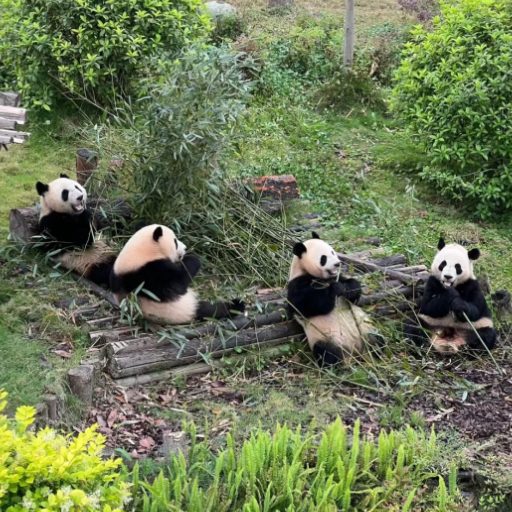
For first-time visitors, the setting can feel like stepping into a living postcard. The lush greenery, winding walkways, and distant hum of keepers calling in Mandarin all add to the sense that you are not just watching animals but entering their home. Sometimes you might even overhear local guides explaining in Sichuan dialect how bamboo shoots are harvested for the pandas’ breakfast. It’s this intimacy that makes the Chengdu Panda Zoo stand out from any regular city zoo. If you want more details on planning, the detailed Chengdu Panda Zoo Guide lays everything out clearly.
The Story of the Chengdu Panda Research Base
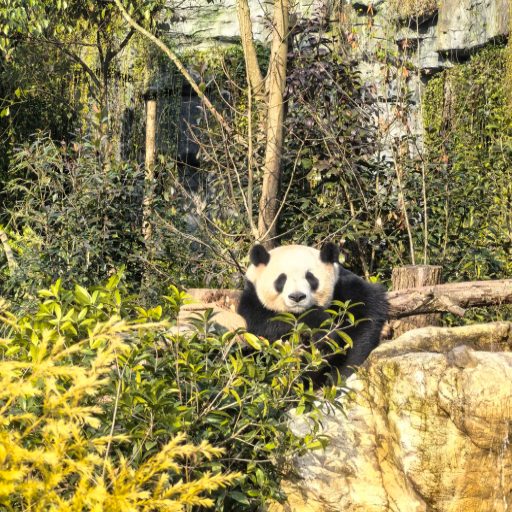
Back in 1987, the Chengdu Panda Research Base began with just six pandas rescued from the wild. At that time, the survival of this species looked uncertain, and the facility was more hope than certainty. Over the years, it has expanded into one of the largest panda conservation hubs in the world, with enclosures, bamboo plantations, and specialized veterinary centers.
Today, visitors walk through a campus-like setting where research buildings sit beside bamboo forests. The story isn’t only about pandas—it’s about human commitment to reversing a species’ fate. International partnerships, breeding breakthroughs, and education programs all grew from these modest beginnings. Standing by the glass of a nursery, you can almost feel the decades of trial and success that made these tiny cubs possible. A volunteer once joked that “pandas are the laziest success story ever,” as they roll and nap while people around them dedicate careers to their survival. That blend of humor and seriousness is part of the charm here.
How to Plan Your Visit to Chengdu Panda Zoo
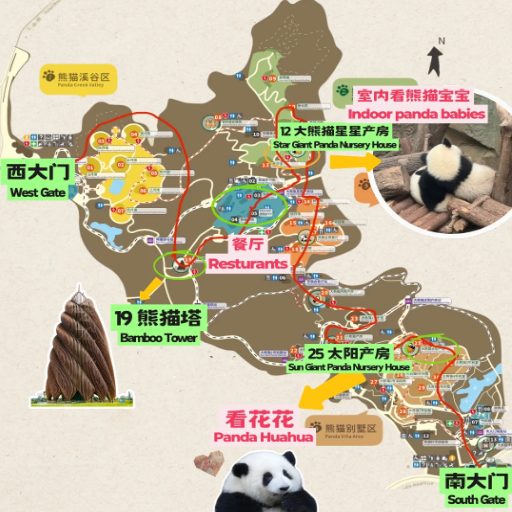
Timing is everything here. The best hours to visit are between 8 AM and 10 AM, when pandas are fed and most active. Tickets are affordable, usually around 55 RMB per person, and can be booked online or at the gate. Weekdays in spring and autumn tend to be less crowded compared to national holidays.
Getting there is straightforward: take the metro to Panda Avenue and then a short taxi ride. Expect to spend about half a day inside, though panda enthusiasts may linger longer. The zoo opens at 7:30 AM and closes around 6:00 PM, giving plenty of time to wander at your own pace. Many travelers pair a visit here with nearby tea houses or hotpot restaurants, making a full Chengdu day built around both food and pandas.
If you’re traveling with kids, prepare for stroller-friendly paths and plenty of shaded benches. Families often share snacks while waiting for pandas to emerge from their enclosures, and you might notice how quickly children’s laughter blends with the rustling of bamboo groves. It’s a simple reminder that this place works equally well for learning and leisure.
Highlights You Shouldn’t Miss

The nursery is often the star of the show, especially from August to November when tiny panda cubs wobble about. Watching them climb awkwardly or tumble on soft mats is a memory that sticks. Crowds often gather here, but with patience you can find quiet corners to enjoy the sight. Some travelers recall waiting nearly half an hour just to catch a cub standing for the first time—it was worth every second.
The red panda enclosures, tucked into shaded groves, feel like a secret escape—these smaller cousins are playful and often overlooked. Guided tours and behind-the-scenes programs offer context that signs can’t capture, while volunteer opportunities let visitors feed pandas or help with daily care for a fee. For those who want more than photos, these experiences bring you closer to the reality of conservation work. A fellow traveler once said, “Feeding a panda wasn’t just cute—it felt like shaking hands with history.”
Beyond the Chengdu Panda Zoo: Other Panda Sites in China
While Chengdu is the heart of panda country, it isn’t the only option. Dujiangyan Panda Base, about an hour away, focuses on rescue and rehabilitation and offers the famous “panda keeper for a day” program. For many travelers, this hands-on option is worth the extra journey, even if it means wearing the slightly embarrassing blue volunteer overalls.
Wolong Nature Reserve, further in the mountains, provides a semi-wild setting where pandas learn survival skills. It’s more remote, but the mountain air and the feeling of being close to nature are unforgettable. Urban options like the Beijing Zoo or Chengdu Zoo are convenient but don’t offer the same depth. Travelers often compare the ease of city zoos with the immersion of reserves, and many agree both have value depending on how much time you can spare. One tourist summed it up: “If Chengdu is the classroom, Wolong is the field trip.”
FAQs: Common Questions from Visitors
Morning hours, especially feeding time, are the most rewarding. Even late morning tends to see pandas nap, so plan an early start. Some visitors suggest arriving before the tour buses to enjoy quieter paths and cooler weather.
You can take photos from viewing areas, but holding a panda is no longer allowed due to safety and conservation reasons. However, the zoo offers excellent viewing angles that allow for memorable pictures. Travelers often bring zoom lenses for close-ups, but even a phone camera works well thanks to the design of the enclosures.
Yes—signs are in English and tickets can be booked with international cards online. Information desks have staff who can assist with translation, and brochures in English are widely available. Visitors often note that announcements are made in both Mandarin and English, making the experience smoother than expected.
Around three to four hours is ideal, but panda fans often spend half a day. The walking paths are shaded, so lingering doesn’t feel rushed. Many visitors recommend pacing yourself—grab a drink, sit on a bench, and wait for the pandas to stir again instead of rushing through.
Yes, simple cafés inside serve noodles and snacks, and many visitors head back into Chengdu for hotpot afterward. Some even recommend combining the visit with a traditional Sichuan tea break in the city. One traveler recalled sipping jasmine tea after hours of walking and saying it was the perfect ending to a panda day.
Visiting the Chengdu Panda Zoo isn’t just about checking an item off your list—it’s about connecting with a part of China’s story that still feels alive. The sound of bamboo cracking under panda teeth is oddly grounding, and it’s one of those travel memories that lingers far longer than expected. If you’re curious to map out a complete trip and avoid missing details, check the full Chengdu Panda Zoo Guide here.
Last Updated on March 4, 2026
