
Traveling by car offers freedom, flexibility, and the opportunity to discover places at your own pace. Whether you’re embarking on a cross-country road trip, exploring a new city, or driving a rental vehicle during vacation, the last thing you expect is to be involved in a car accident.
Unfortunately, accidents can happen anywhere. When they occur far from home, the situation can feel especially stressful and overwhelming. Knowing what steps to take can help protect your safety, your rights, and your ability to recover damages if needed.

Prioritize Safety First
Immediately after an accident, check yourself and any passengers for injuries. If anyone is hurt, call emergency services right away. Even if injuries appear minor, seeking medical attention is important because some symptoms may not appear until hours or days later.
If it is safe to do so, move vehicles out of traffic to prevent additional collisions. Turn on hazard lights and remain in a secure location while waiting for assistance.
Contact Local Authorities
Many travelers assume that minor accidents don’t require police involvement. However, obtaining an official accident report can be extremely valuable, especially if insurance claims or legal issues arise later.
When officers arrive, provide accurate information about what happened but avoid speculating about fault. Request a copy of the police report or ask how you can obtain one after the investigation is complete.
Gather Evidence at the Scene
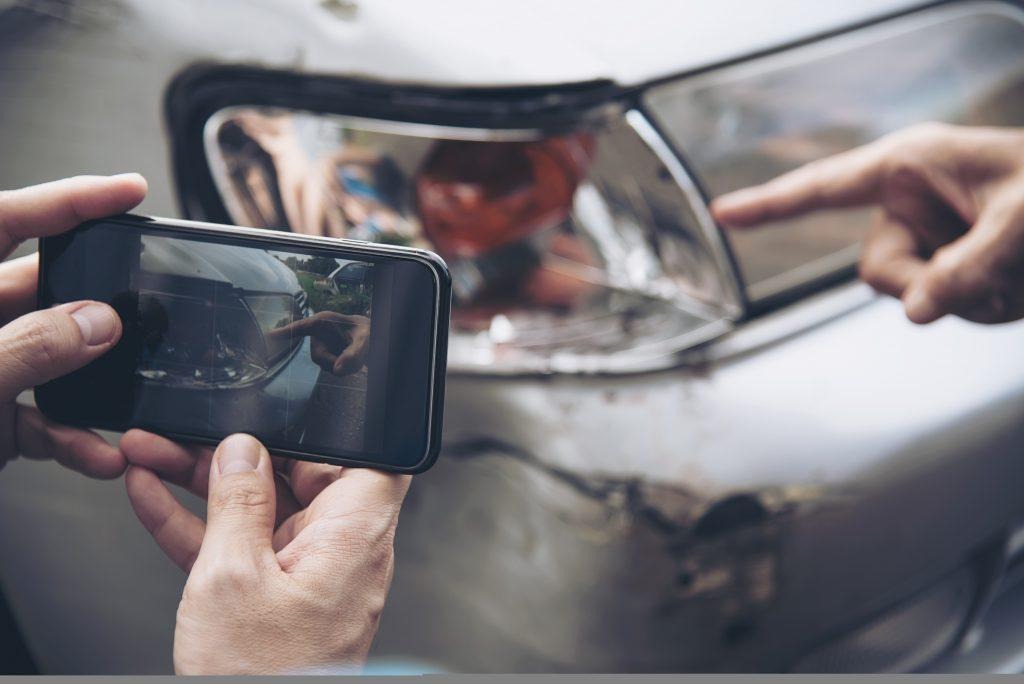
Documentation can make a significant difference when filing an insurance claim.
Take photos of:
- Vehicle damage
- License plates
- Road conditions
- Traffic signs and signals
- Skid marks or debris
- Visible injuries
Additionally, collect contact information from all involved drivers, passengers, and any witnesses who saw the accident occur.
The more information you gather, the easier it may be to establish what happened later.
Exchange Information Properly
Be sure to exchange the following details with the other driver:
- Full name and contact information
- Driver’s license number
- Insurance company and policy number
- Vehicle make, model, and registration information
Remain calm and courteous throughout the interaction. Avoid arguing or discussing who caused the accident.
Notify Your Insurance Company
Contact your insurance provider as soon as possible. Many insurers have mobile apps that allow you to begin the claims process immediately.
Provide accurate information and share any photos, reports, or witness details you’ve collected. Prompt reporting helps prevent delays and allows your insurer to guide you through the next steps.
Be Extra Careful With Rental Cars
If you’re driving a rental vehicle, notify the rental company immediately after the accident. Most rental agreements include specific reporting requirements, and failing to follow them could affect coverage.
Keep copies of all paperwork related to the accident, including police reports, repair estimates, and communications with the rental company.
Seek Medical Evaluation Even if You Feel Fine
After the immediate shock of an accident, adrenaline can mask symptoms of injury. Conditions such as whiplash, concussions, and soft tissue injuries may not become apparent until later.
A medical evaluation creates a record of your condition and ensures any injuries receive prompt treatment.
Keep Records of All Expenses
Accidents while traveling can lead to unexpected costs beyond vehicle repairs.
These may include:
- Medical bills
- Hotel stays
- Transportation expenses
- Lost vacation reservations
- Lost wages due to injury
Maintaining detailed records can be helpful if compensation becomes necessary.
Understand Your Legal Options
Car accidents that occur while traveling can involve multiple insurance companies, unfamiliar laws, or disputes regarding fault. If injuries are serious or liability is contested, speaking with a qualified personal injury attorney may help you understand your options and protect your interests.
Legal guidance can be particularly valuable when dealing with significant medical expenses or long-term recovery.
Final Thoughts
A car accident can quickly disrupt even the most carefully planned trip. While the experience can be stressful, taking the right steps immediately afterward can make the situation far more manageable.
By prioritizing safety, documenting the scene, reporting the accident properly, and seeking medical attention when needed, travelers can protect themselves and focus on recovery. Preparation and knowledge may not prevent an accident, but they can help you navigate the aftermath with greater confidence and peace of mind.
Last Updated on June 18, 2026
