
The first time I planned a national park road trip, I assumed the entrance fee was the whole cost of getting in. It isn’t, and it also isn’t the same everywhere. Some of the best national parks to visit charge a standard $35 per vehicle. Others charge nothing at all and just want you to display a $5 parking tag. A few, mostly the famous ones, add a separate $100-per-person fee if you’re not a U.S. resident. None of that is obvious until you’re standing at the gate.
This is a budget-first look at where to go, built around what each park actually charges rather than which one has the prettiest Instagram geometry. Some of the cheapest entries here are also genuinely some of the best.
How much does it actually cost to get into a national park?
Most of the well-known “marquee” parks charge a standard vehicle entrance pass of $20–$35, valid for seven consecutive days. Yellowstone, for instance, charges exactly $35 for a private vehicle, $30 for a motorcycle, or $20 per person if you’re arriving on foot or by bike. That pass covers everyone in the car.
If you’re visiting more than one or two parks in a year, the America the Beautiful Annual Pass at $80 covers entrance fees at every NPS site plus other federal recreation land for twelve months — it pays for itself after about three marquee-park visits. Non-U.S. residents can buy the same pass for $250, which matters a lot if you’re planning to hit several fee parks on one trip (see below).
Which national parks don’t charge an entrance fee at all?
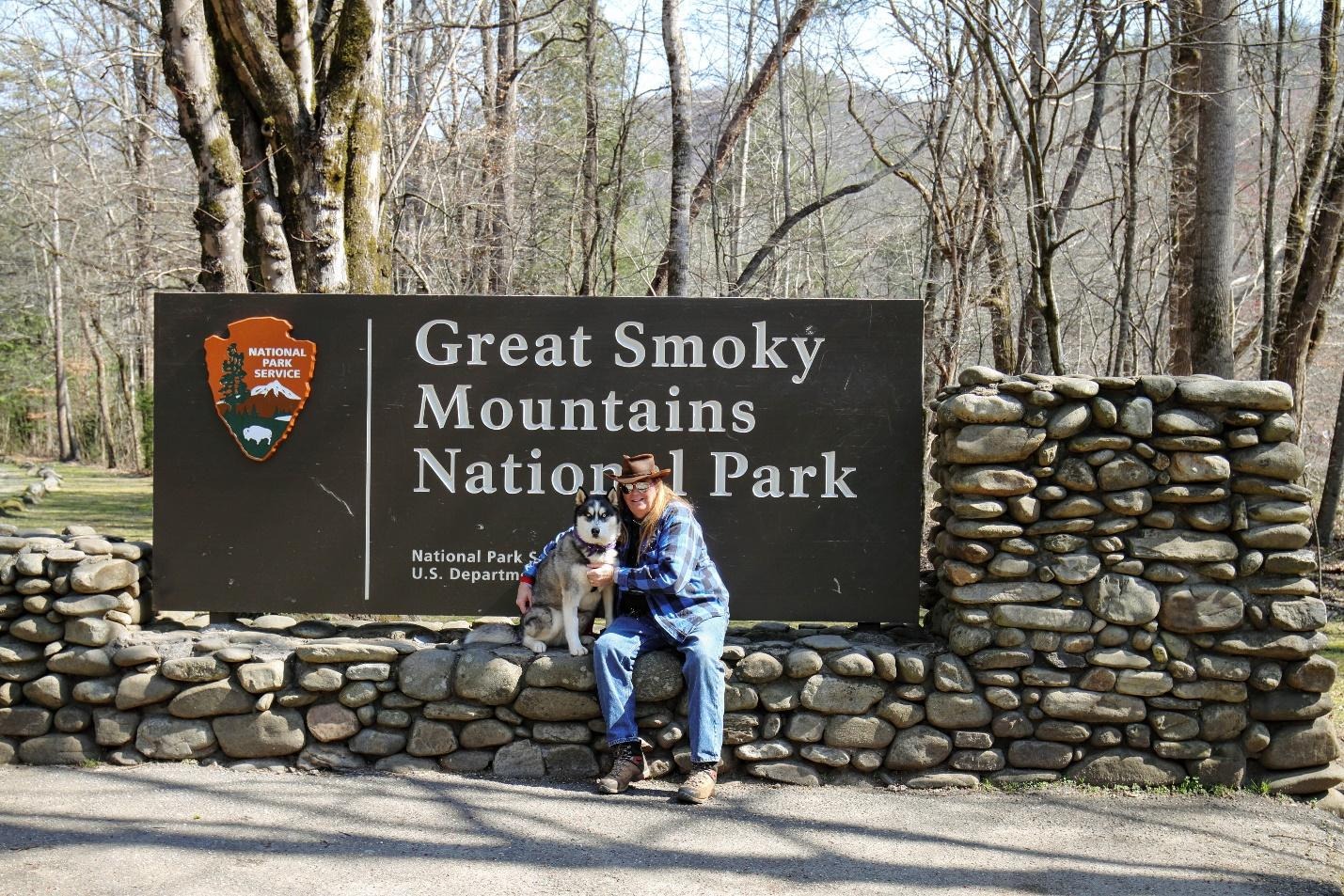
More than you’d think. Congaree, Redwood, and North Cascades charge no standard entrance fee at all — you drive in and start hiking. Great Smoky Mountains, the most-visited park in the entire system, technically has no entrance fee either, but you do need a parking tag: $5 for a day, $15 for a week, $40 for the year. It’s a fee by another name, just a much smaller one, and it still makes Smoky Mountains one of the cheapest big-name parks on this list.
That parking-tag detail trips people up constantly — plenty of visitors show up expecting Smokies to be entirely free and get a ticket for not displaying a tag they didn’t know they needed.
Is there an extra fee for international visitors?
Yes, at eleven of the most-visited parks specifically: Acadia, Bryce Canyon, Everglades, Glacier, Grand Canyon, Grand Teton, Rocky Mountain, Sequoia & Kings Canyon, Yellowstone, Yosemite, and Zion. Non-U.S. residents aged 16 and up pay an additional $100 per person at these parks on top of the standard entrance fee, unless you’re entering on an Annual or America the Beautiful pass. It’s a detail that catches a lot of international travelers off guard, since it’s not something U.S. visitors ever have to think about. If your itinerary touches more than one of these eleven, the $250 non-resident annual pass usually works out cheaper than paying per-park.
The Seven Highlights
- Great Smoky Mountains (Tennessee/North Carolina): No entrance fee, just the $5–$40 parking tag. The most-visited park in the country, and still genuinely uncrowded if you get off the main overlook road and onto any of the smaller trails.
- Congaree (South Carolina): Free entry, and one of the least-visited parks in the system despite being an easy day trip from Columbia. Old-growth floodplain forest, a raised boardwalk trail, and almost nobody else on it.
- Redwood (California): Free entry. Ancient coast redwoods without the reservation systems and shuttle logistics that come with Yosemite an hour or two south.
- North Cascades (Washington): Free entry. Jagged, glacier-heavy peaks two hours from Seattle, and one of the least-visited parks in the Lower 48 relative to how good it is.
- Zion (Utah): $35 vehicle fee, plus the $100 non-resident fee if applicable. Worth the cost: the canyon narrows and Angels Landing are the kind of scenery that made you want to do this trip in the first place.
- Yellowstone (Wyoming/Montana/Idaho): $35 vehicle fee, plus the $100 non-resident fee if applicable. Geysers, wildlife, and enough ground to swallow a week without repeating a trail.
- Acadia (Maine): Around $30 for a standard vehicle pass, plus the $100 non-resident fee if applicable. The most accessible marquee park from the East Coast’s major cities, and one of the only ones where you can genuinely do a long weekend instead of a full week.

📖 Recommended Reading: If you’re looking for more useful information, check out:
Calculating Your True Road Trip Cost with Triprz
The $35 gate fee is rarely the single number that determines whether a national park trip fits your budget; it’s almost always what happens between the entrance, the campsite, and the gas station. Fuel costs, gear rentals, lodging, and daily food expenses quickly become the largest part of any itinerary.
To easily map out your entire travel budget, compare daily expenses, and discover affordable destinations tailored to your vibe, you can plan your trip using Triprz. By running your itinerary through Triprz, you can quickly estimate your overall burn rate and see how park entrance fees interact with your full travel costs.
When are the parks free for everyone?
The NPS runs a handful of fee-free days every year at every site that normally charges. In 2026 those fall on February 16, May 25, June 14, July 3–5, August 25, September 17, October 27, and November 11. Worth planning around if your dates are flexible — though popular parks get noticeably busier on those days, so it’s a tradeoff between saving $35 and dealing with a fuller parking lot.
Whichever parks make your list, run the actual trip cost before you lock in dates. Knowing what you’ll spend before you hit the road ensures your national park adventure stays stress-free from start to finish.
Last Updated on September 2, 2026
