
Many RV travelers look forward to long road trips, but keeping reliable power on the road can be a real challenge. Batteries often run out faster than expected when running appliances, lights, and devices, especially during off-grid camping. Without dependable power, even the best travel plans can become stressful.
This guide will help you understand how to choose the best lithium RV battery for extended RV travel. We’ll explain what to look for, how lithium batteries improve travel comfort, and how the right setup can support longer, more enjoyable journeys.
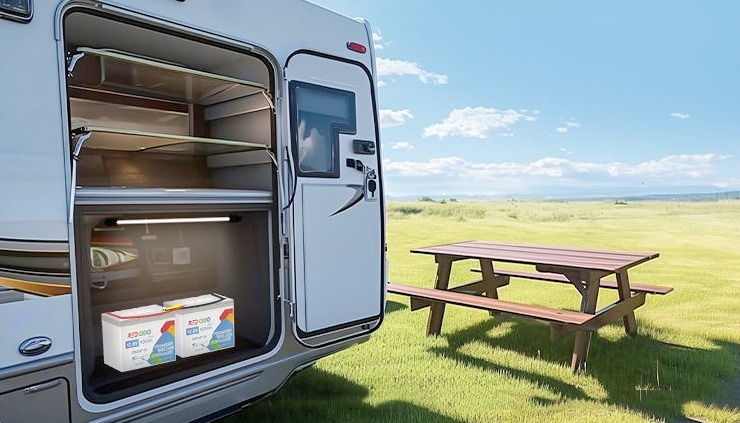
Why Power Storage Matters for Long RV Trips
Long RV trips often mean staying away from campgrounds and electrical hookups. Because of this, your battery becomes the heart of your RV setup. If the battery struggles, everything from lighting to charging your phone starts to feel like a daily problem.
For example, many travelers notice that power runs low faster than expected during evenings. You may want to run a small fan, a camping lamp, keep food cold, or charge devices after a full day on the road. However, weak power storage forces people to limit comfort instead of enjoying their time outside.
Common RV power challenges travelers face:
- Limited access to shore power at remote campsites
- Batteries draining overnight while running basic appliances
- Heavy batteries adding extra weight to the RV
- Frequent recharging stops interrupting travel plans
- Noise and fuel costs when relying on generators
Because of these issues, RV owners now look for battery systems that can support longer stays without constant attention. Reliable energy storage allows travelers to focus on the trip itself instead of checking battery levels every hour.
Lithium RV Batteries vs Traditional RV Batteries
For years, most RVs relied on lead-acid batteries. They worked fine when trips were short and power needs were simple. However, RV travel has changed. People now carry laptops, cameras, coffee makers, portable fans, and sometimes even small work setups on the road.
Traditional batteries often require careful monitoring. You cannot use all the stored energy, charging takes longer, and weight becomes noticeable when installing or replacing them. Because of this, many RV owners started looking for options that feel easier to live with during longer trips.
Lithium batteries allow deeper use of stored energy, travelers get more usable power without increasing battery size. As a result, many RV owners upgrading to a lithium RV battery find they can camp longer, charge devices faster, and spend less time worrying about power limits.
In addition, lithium batteries hold steady voltage during use. This means appliances run smoothly, lights stay bright, and daily RV living feels more comfortable even during long stays away from hookups.
Here is a simple comparison to understand the difference:
| Feature | Lithium RV Battery | Lead-Acid Battery |
| Weight | Lightweight and easy to handle | Heavy and bulky |
| Usable Capacity | Most stored power can be used | Only ~50% power usable |
| Charging Speed | Charges quickly | Charges slowly |
| Lifespan | Lasts for many years | Shorter life span |
| Maintenance | Little to no maintenance | Needs regular care |
| Travel Convenience | Ideal for extended travel | Better for occasional trips |
Key Features to Look for a Lithium RV Battery
Buying an RV battery should not feel like reading an engineering manual. Most travelers simply want something that works every day without constant attention. The best lithium batteries are the ones you almost forget about because they quietly do their job.
Still, a few features make a big difference once you are on the road.
What actually matters when choosing a lithium RV battery?
- Battery Capacity (Ah)
Higher capacity means longer runtime. If your fridge, lights, and devices run daily, extra capacity saves you from frequent charging. - Lightweight Design
RV space is limited. A lighter battery makes installation easier and helps reduce total vehicle weight. - Fast Charging
Travel days are unpredictable. Quick charging lets you top up power during short drives or brief campground stops. - Built-in Battery Management System (BMS)
Think of this as the battery’s safety brain. It protects against overcharging, overheating, and power imbalance. - Bluetooth Monitoring
Many modern batteries allow you to check power levels from your phone. No guessing. No opening compartments just to check status. - Cold Weather Performance
Morning temperatures can drop quickly while traveling. Batteries designed for lower temperatures keep charging safely when conditions change. - Long Service Life
A good lithium battery lasts for years, which means fewer replacements and less hassle during future trips.
A helpful way to think about it: the right battery should make travel easier, not give you another system to manage.
The Best Lithium RV Battery for Extended Travel
After learning what matters in capacity and features, the goal becomes simple. RV travelers want a battery that runs longer, charges quickly, and fits easily into everyday travel life. A reliable lithium battery allows longer stays without constantly thinking about power.
One of the popular options many RV owners consider is the Redodo 12V 165Ah lithium RV battery. It offers strong capacity in a common Group 31 size, making it suitable for extended trips where dependable energy is needed.

Why it works well for RV travel?
- 165Ah capacity, 2112Wh energy for longer runtime
- Compact Group 31 size, fits most RV battery spaces
- Bluetooth monitoring through a phone app
- Low-temperature protection for cold weather
- Stable power for appliances and devices
- Only 33 lbs, much lightweight than traditional batteries
- Supports capacity expansion up to 4P4S
Another popular option for long RV travel is the Redodo 12V 320Ah Mini Lithium Bluetooth Battery. It provides a massive 4096Wh of high usable capacity for extended runtime and multi-day off-grid adventures. The compact mini design fits most RV and travel trailer battery compartments.
With higher usable energy, travelers can spend more time camping comfortably instead of planning around charging schedules.
How Much Battery Capacity Do RV Travelers Really Need?
This is where many RV owners hesitate. Some buy too small and struggle with power limits. Others buy more capacity than they ever use. The goal is balance based on how you actually travel.
Before choosing capacity, ask yourself a simple question: How do you spend your evenings in the RV?
Do you only need lights and phone charging? Or do you run a refrigerator, laptop, fan, and maybe a coffee maker in the morning?
| Travel Style | Typical Power Use | Suggested Capacity |
| Weekend camping | Lights, phones, small devices | Around 100Ah |
| Extended trips | Fridge, fans, daily charging | 150Ah to 200Ah |
| Remote camping | Multiple appliances | 200Ah+ |
| Full-time RV living | Continuous daily use | High-capacity lithium setup |
Many travelers find that moving slightly above their minimum need brings peace of mind. Running out of power at night is never fun, especially when the nearest hookup is miles away.
Also, remember that lithium batteries allow you to use most of their stored energy. Because of that, a properly sized lithium setup often performs better than larger traditional battery systems.
A simple rule works well for most RV owners:
Choose capacity based on comfort, not survival. If your battery supports normal living, your travel days feel much more relaxed.
Real Travel Benefits After Switching to Lithium
Once RV owners move to lithium batteries, daily travel often feels easier. Power becomes consistent, and small limitations disappear during longer stays.
Common benefits travelers notice:
- Longer off-grid camping without power anxiety
- Faster charging during drives or solar use
- Reduced need for generators
- Steady performance for lights and refrigerators
- More relaxed evenings without managing battery usage
When power works reliably, travelers focus less on electricity and more on enjoying their time on the road.
Is Upgrading to a Lithium RV Battery Worth It?
For many RV owners, the upgrade becomes noticeable very quickly. Lithium batteries provide more usable energy, lighter weight, and easier daily operation compared to older battery types.
Travelers who spend extended time on the road often appreciate fewer charging worries and more consistent power throughout the day. Instead of adjusting activities around battery limits, they can run essential appliances normally.
If extended travel, remote camping, or full-time RV living is part of your plan, moving to a lithium setup often feels like a practical improvement rather than a luxury.
📖 Recommended Reading: If you’re looking for more useful information, check out:
Final Thoughts
Choosing the right RV battery can make a big difference during long trips. Reliable power allows travelers to cook, relax, charge devices, and stay comfortable without constantly checking battery levels. When your power system works smoothly, daily travel feels easier and more enjoyable.
Lithium batteries have become a popular choice because they support longer stays, faster charging, and dependable performance on the road. High-performance lithium battery options like Redodo 12V 165Ah and 12V 320Ah Mini provide great convenience and comfort for RV owners. With the right setup in place, RV travelers can focus less on managing electricity and more on enjoying the experience of extended RV travel.
Last Updated on May 19, 2026
