
Kenya is renowned world wide for its magnificent wildlife and amazing National Parks. One of these parks is Amboseli National Park, one of Kenya’s most iconic and accessible wildlife sanctuaries. Located in the southern part of Kenya, it offers breathtaking views of Africa’s highest mountain, Mount Kilimanjaro, and is world-famous for its large elephant populations and diverse ecosystems. Covering about 392 square kilometers, the park features open plains, acacia woodlands, swamps, and salt pans, creating a picturesque backdrop for unforgettable safari experiences. Established as a national park in 1974, Amboseli has a long history of conservation and serves as a vital habitat for migratory species.
Location and Geography
Amboseli sits in the southern part of Rift Valley Province, close to the Tanzania border. Its proximity to Mount Kilimanjaro provides visitors with stunning panoramic vistas, especially at dawn and dusk when the snow-capped peak glows against the sky. The park’s landscape is dominated by ancient volcanic soil and seasonal swamps fed by underground springs from Kilimanjaro. These wetlands attract abundant wildlife and support a rich variety of birdlife. The name “Amboseli” derives from a Maasai word meaning “salty dust,” referring to the park’s dry lake bed.
Attractions
The park’s primary attraction is its incredible wildlife viewing combined with dramatic scenery. Game drives reveal herds of elephants against the majestic Kilimanjaro backdrop, creating some of Africa’s most photographed scenes. Observation Hill offers a fantastic vantage point for overlooking the park and spotting animals from above. Visitors can also explore cultural experiences with the local Maasai people, learning about their traditions and way of life. These interactions often include traditional dances and beadwork demonstrations, providing deeper insight into indigenous culture.
Other highlights include the Satao Elerai Conservancy nearby, which complements the park’s offerings with additional conservation areas. Hot air balloon safaris provide a bird’s-eye view of the landscape at sunrise, while walking safaris with armed rangers allow intimate encounters with nature. Birdwatching is exceptional, with over 400 species recorded, including flamingos, pelicans, and kingfishers around the swamps. Photography enthusiasts flock to the park for the perfect light and compositions that capture both wildlife and the towering mountain.
How to Get There from Nairobi:
Reaching Amboseli is relatively straightforward. The park is approximately 250 kilometers south of Nairobi. By road, the journey takes about 4.5 to 5 hours via well-maintained tarmac roads to Namanga, followed by a shorter dirt road stretch. Another route goes via Emali and this albeit longer is the better option as it is a tarred road for most of the distance. Many visitors opt for organized transfers or self-drive in 4×4 vehicles suitable for the terrain. Border crossings near Namanga also make it convenient for travelers coming from Tanzania, adding flexibility for cross-border safaris.
For those preferring speed and convenience, flying is ideal. Domestic flights from Nairobi’s Wilson Airport to Amboseli Airstrip take about 45 minutes to one hour. Several airlines operate scheduled and charter flights, making it easy to combine with other parks in a multi-destination safari. Upon arrival, lodge transfers are readily available. This accessibility makes Amboseli an excellent starting or ending point for longer Kenyan itineraries.
What Animals One Can See
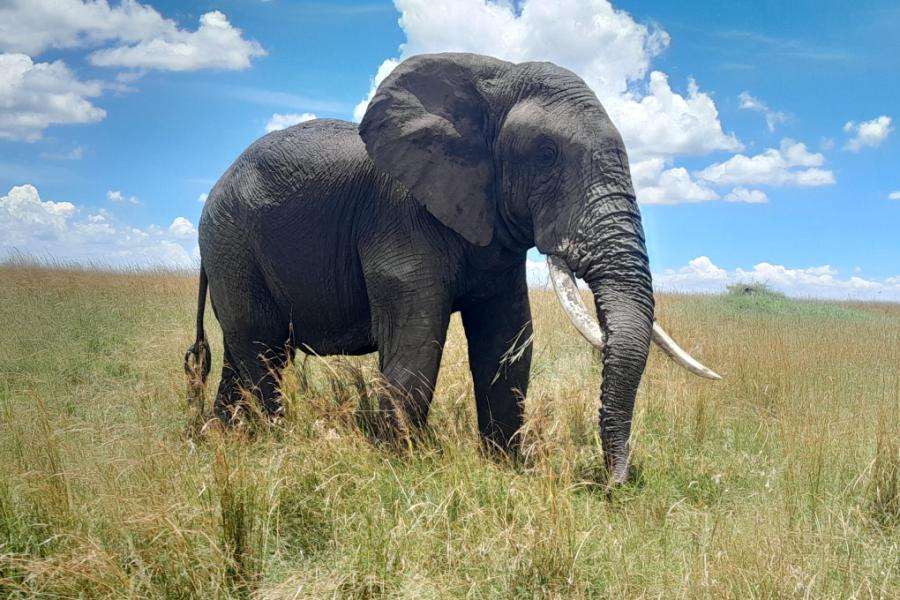
Amboseli is particularly renowned for its elephants. The park hosts one of the highest densities of these gentle giants in Kenya, with over 1,500 individuals. Many are habituated to vehicles, allowing close, non-intrusive viewing. Iconic bulls like the famous Craig and his family provide excellent photographic opportunities. Long-term research projects in the park have contributed significantly to global understanding of elephant behavior and social structures.
Other Big Five members include lions, which are commonly sighted, though leopards are more elusive in the woodlands. Buffalo herds roam the plains, while black rhinos are occasionally seen in denser areas. Cheetahs and hyenas add excitement to game drives. The park’s predator-prey dynamics provide thrilling moments for visitors during morning and evening drives.
Plains game is abundant, with large herds of zebras, wildebeest, giraffes, and various antelopes such as impala, gazelles, and eland. Hippos wallow in the swamps, and vervet monkeys and baboons are common around lodges. The park’s bird diversity includes waterfowl, raptors, and migratory species, making it a paradise for ornithologists. Seasonal variations bring different concentrations of animals, with dry periods concentrating wildlife around water sources for better viewing.

Top Hotels and Lodges
Amboseli offers a range of accommodations to suit different budgets and preferences. Luxury options include Amboseli Serena Safari Lodge, known for its elegant tents and excellent service overlooking the swamps. Ol Tukai Lodge provides luxurious chalets with private verandas and views of Kilimanjaro, along with a swimming pool and spa facilities.
For a more intimate experience, Tortilis Camp offers eco-friendly luxury with stunning mountain views and activities like bush dinners. Mid-range choices like Kibo Safari Camp and Sentrim Amboseli provide comfortable tents and great value. Budget-friendly options and campsites are also available for adventurous travelers.
Many lodges emphasize sustainability and community involvement, ensuring positive impacts on local conservation. Booking through reputable operators enhances the experience with expert guides and seamless logistics. Additional options include luxury tented camps that blend comfort with the wilderness feel, offering activities such as guided nature walks and sundowner cocktails in the bush.
Booking a Safari Package:
Amboseli is one of the most popular parks visited in Kenya by both locals and tourists alike. Booking an Amboseli Safari package is relatively straight forward and once you have your dates and trip duration figured out, all you need do is contact one of the local safari operators in Kenya to price out a suitable tour for you. Most of these safari packages are fully customizable meaning you can choose to tailor your accommodation and other preferences. Recommended safari durations are 3 to 5 days as this gives the visitors enough time to fully explore the park at a relaxed pace of travel.
Conclusion
Amboseli National Park combines spectacular scenery, abundant wildlife, and cultural richness, making it a must-visit Kenyan destination. Its accessibility from Nairobi and diverse attractions appeal to first-time and seasoned safari-goers alike. Whether witnessing massive elephant herds or enjoying sunrise over Kilimanjaro, Amboseli delivers magical moments that linger long after departure. Planning ahead with trusted local partners ensures a safe, enriching visit to this natural treasure. The park’s unique combination of elements makes every visit special and memorable for all who experience its wonders. Visitors often leave with a greater appreciation for conservation efforts in East Africa. Visitors are encouraged to respect park rules to ensure the preservation of this precious ecosystem for future generations.
Last Updated on July 24, 2026
