
You’d think with all the high-tech scanners and security protocols, identity crimes at airports would be yesterday’s news. Not even close. Arrests for stolen credentials, forged paperwork, and data theft keep climbing year after year.
Here’s the thing: airports aren’t just one jurisdiction. You’ve got local cops, TSA agents, and federal authorities all operating in the same space, which creates a tangled legal mess when charges get filed.
The penalties? They’re no joke. Whether you’re staring down charges right now or just want to travel smarter, getting a handle on how airport identity theft actually works and what pushes cases into prosecution territory could save you enormous headaches down the road.

Understanding Airport Identity Theft: Types and Common Scenarios
When most people hear “identity crimes at airports,” they picture someone flashing a fake ID at the checkpoint. Reality’s way more complex. These offenses stretch from elaborate digital cons to plain old document swiping, and every single one brings serious legal heat.
Data Skimming and Digital Identity Theft at Airport Facilities
Think about the chaos at a busy terminal, that’s exactly what criminals count on. ATM skimmers get planted at airport machines to grab your card details when you’re pulling out cash before a flight.
Those handy public Wi-Fi networks you use to check gate changes? Often, they’re honeypots for identity thieves.
Even charging your phone carries risk nowadays through something called “juice jacking, “tampered USB ports that drain your data while they power up your device. Get this: recent research found REAL IDs were 36.1% more likely to be flagged as fraudulent (https://idscan.net/blog/are-real-ids-really-harder-to-fake/), which tells you even documents marketed as ultra-secure become targets for pros who know what they’re doing.
Physical Identity Theft in Airport Settings
Walk through Fort Lauderdale-Hollywood International on any given day, and you’ll see thousands of rushed travelers juggling bags, boarding passes, and important documents.
The city serves as a major gateway to Latin America and the Caribbean, making it especially appealing to criminals who target international passengers. All that foot traffic creates openings for physical theft that standard security setups just can’t fully stop.
Suddenly facing accusations about stolen or bogus documents while traveling? That’s when having an experienced Airport Crime Defense Lawyer in Fort Lauderdale becomes absolutely crucial.
These attorneys know how federal aviation regulations mesh with Florida state laws governing identity offenses.
Physical theft takes multiple forms. Wallets and passports vanish from security bins while you’re distracted removing your shoes and laptop. Carry-on luggage containing ID materials gets targeted more frequently than most travelers realize.
There’s also the unsexy but effective tactic of dumpster diving at airport hotels, thieves pull discarded boarding passes and documents loaded with personal details. Even the TSA checkpoint itself isn’t theft-proof. Opportunistic crooks sometimes grab IDs left behind during the mad dash through screening.
Fake ID Charges at Airport: What Constitutes Using a Fake ID
Legal definitions of fake ID charges at airport facilities go way beyond underage kids trying to sneak drinks. Federal transportation security statutes define these crimes with surgical precision and come down hard on violators.
Federal Definitions Under Transportation Security Laws
Title 18 U.S.C. § 1028 controls fraud and related crimes involving identification documents. This federal law addresses manufacturing, possessing, or using fake ID at airport locations when there’s an intent to defraud. TSA Security Directive violations bring their own separate penalties. Department of Homeland Security classifications decide if your case remains in state court or jumps to federal prosecution. That distinction? It’s massive. Federal convictions generally mean longer sentences and way fewer chances for favorable plea deals compared to state-level charges.
Most Common Fake ID Scenarios Leading to Arrests
Certain patterns show up repeatedly in arrest records. Underage travelers get busted trying to buy drinks at airport bars when sharp-eyed bartenders notice something off and alert security. More serious situations involve altered or borrowed IDs used to board planes when someone’s on a no-fly list or dodging active warrants.
Handing fraudulent documents to TSA officers at checkpoints triggers instant law enforcement involvement. Immigration-related document fraud represents another frequent scenario, especially when people use false identification attempting to enter or leave the country illegally.
TSA Screening Procedures and How Identity Issues Are Detected
Modern airport security deploys technology that makes fake ID charges at airport checkpoints nearly unavoidable if you’re carrying phony documents. Understanding these detection systems explains why so few counterfeits make it through undetected.
Advanced Biometric Verification Technology
U.S. Customs and Border Protection has implemented its Biometric Facial Comparison system across 238 airports for passenger identity verification. These facial recognition platforms at TSA checkpoints mark 2024’s biggest security advancement. CAT-2 (Credential Authentication Technology) scanners scrutinize your ID’s security features using ultraviolet and infrared sensors that counterfeiters can’t easily duplicate.
Real-time database matching happens in seconds; your face, your document, and government watchlists get compared simultaneously. TSA catches fraudulent documents almost immediately because these scanners spot inconsistencies that the human eye completely misses.
What Happens After TSA Detects a Problem
The moment TSA discovers a fake ID or stolen document, strict protocols kick in. You’re immediately redirected to secondary screening while officers summon law enforcement. Airport police usually arrive first, though federal agents join in when the violation appears to break federal statutes.
Forget about making your flight; you’re looking at intensive questioning, and everything you say becomes evidence in your case.
Documentation and evidence gathering start right there on the spot, including photographs of the fraudulent ID and written statements from whichever TSA officer caught the issue.
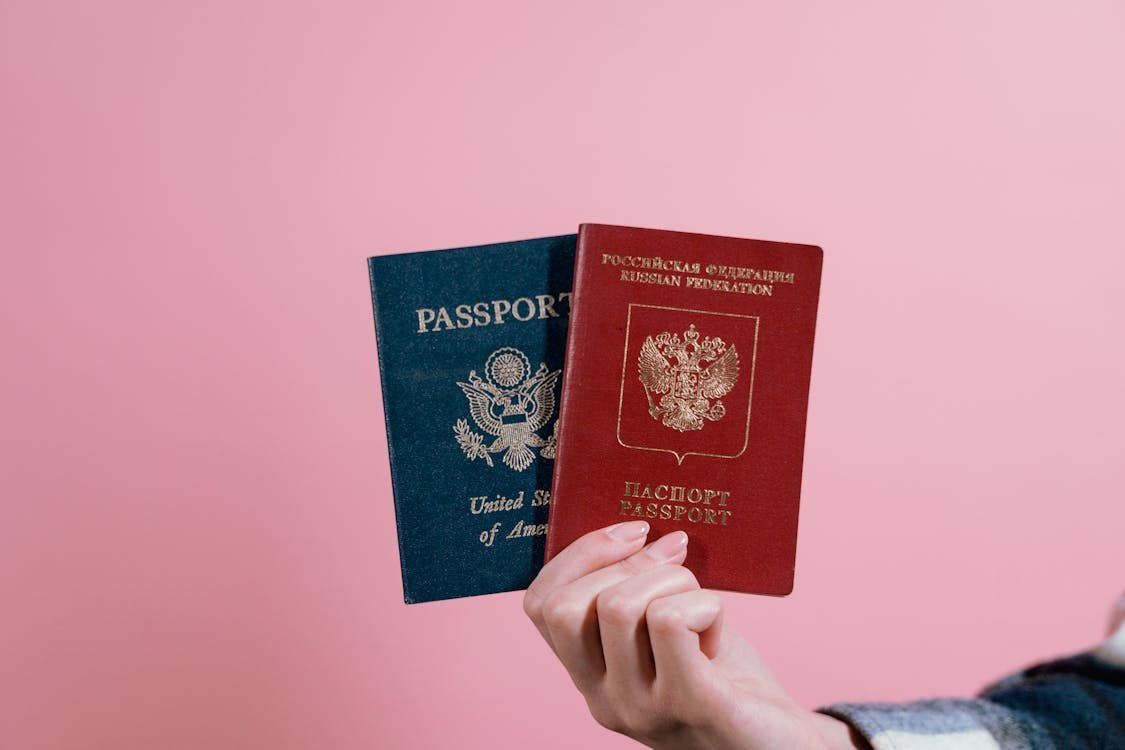
Criminal Penalties and Long-Term Consequences
Airport identity theft laws carry penalties that stretch way beyond fines and time behind bars. The ripple effects through your life can persist for decades.
Sentencing Guidelines for Airport Identity Theft
Federal sentencing spans from probation all the way to 15+ years, depending on how severe the offense was. Florida state sentences range from third-degree felonies (up to 5 years) to first-degree felonies (up to 30 years) under Florida Statute § 817.568. Courts weigh aggravating circumstances like terrorism connections, previous convictions, and whether your fake ID enabled other crimes, such as drug trafficking.
Financial restitution orders can hit tens of thousands of dollars when victims suffer monetary losses from your identity theft.
Collateral Consequences Beyond Incarceration
Professional licenses get suspended for pilots, healthcare providers, lawyers, and financial professionals convicted of identity offenses. Non-citizens face deportation hearings and permanent bans from re-entering the country.
Security clearances disappear immediately, killing careers in defense contracting and government positions. Your permanent criminal record appears on every background check, impacting job prospects, housing applications, and educational opportunities for the rest of your life.
Defense Strategies and Legal Representation
Solid defenses exist when you’re facing airport identity theft laws violations. Skilled attorneys understand how to challenge evidence and negotiate better outcomes.
Challenging the Evidence and Procedural Violations
Defense lawyers examine whether TSA or police trampled your Fourth Amendment rights during searches.
Chain of custody challenges can get physical evidence thrown out if law enforcement fumbles handling your documents. Improperly gathered statements, like confessions obtained without Miranda warnings, get suppressed.
Even TSA screening procedures themselves become fair game if officers overstep their authority or force compliance through coercion.
How Legal Representation Can Protect Your Rights
An airport criminal defense lawyer safeguards your constitutional protections from arrest onward. They stop you from making damaging statements to investigators who’ll weaponize your words in court. Early intervention with prosecutors frequently produces reduced charges before formal filing happens. Experienced counsel grasps TSA regulations, federal aviation laws, and how to maneuver through both federal and state court systems. Their working relationships with Assistant U.S. Attorneys and deep familiarity with airport-specific surveillance infrastructure provide strategic edges that representing yourself simply can’t deliver.
Final Thoughts on Protecting Yourself
Airport identity crimes bring life-changing consequences that most travelers don’t fully appreciate until they’re already facing prosecution.
Whether you’re dealing with stolen credentials, accusations of document fraud, or digital identity theft, knowing your rights and understanding penalty severity helps you make smarter choices.
Prevention begins with securing your documents and steering clear of risky checkpoint behavior.
Already facing charges? Immediate legal representation isn’t a luxury; it’s essential for protecting both your freedom and your future.
Common Questions About Airport Identity Crimes
Absolutely. Using someone else’s identification, even with their full permission, counts as fraud at airports. Federal law bans presenting false identification to TSA, no matter what your relationship is to the actual ID holder.
Possession by itself can trigger charges if prosecutors demonstrate you intended to use it. That said, mere possession without proven intent to defraud offers a workable defense that competent attorneys leverage successfully.
Not automatically, but document fraud arrests frequently trigger TSA watchlist placement while investigations continue. International travel gets severely limited, and domestic flights may require extra screening indefinitely.
Last Updated on December 21, 2025
