
One second, traffic is traffic. The next, there’s a jolt, a sound like metal folding, and that weird silence after. Then comes the checklist nobody asked for: tow trucks, phone calls, soreness, paperwork, missed work, and the creeping question, “Is this going to get worse?”
Often, yes. Especially with soft tissue injuries, concussions, and spinal issues that show up after the adrenaline fades.
The goal after a collision is not to become a legal expert overnight. It’s to avoid the common missteps that shrink your options later. Because once you accidentally lock yourself into a bad narrative, it’s hard to pry open.
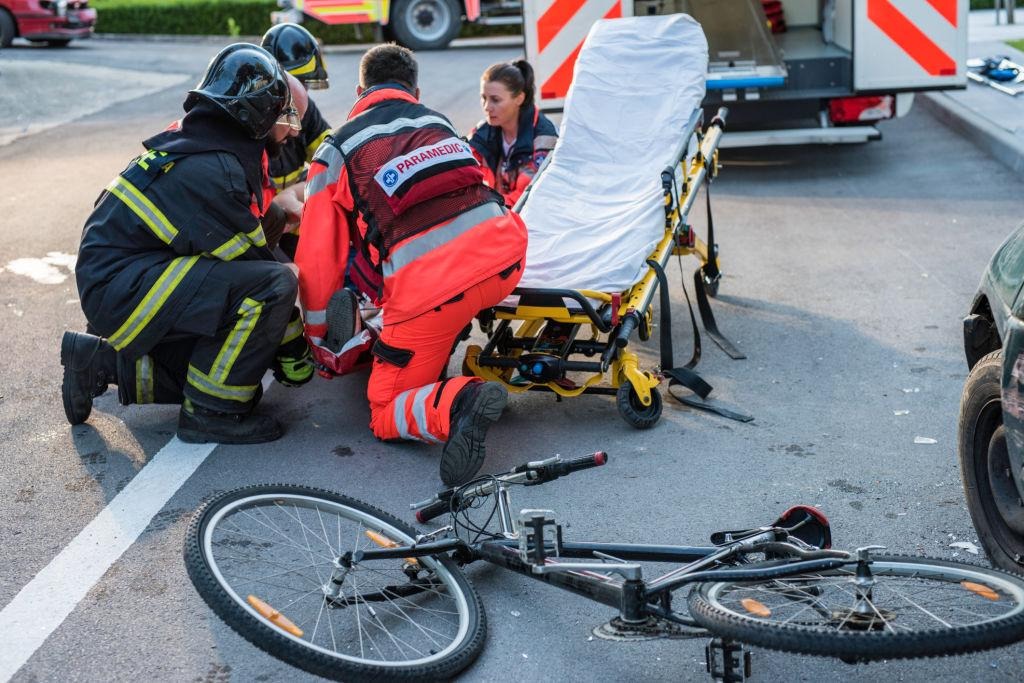
Step one: treat medical care like evidence and recovery
Medical care is about getting better. But it’s also the most credible documentation of what the crash did to a body.
The smartest early moves:
- Get checked promptly, even if symptoms feel mild
- Report symptoms accurately, even if they sound “small”
- Follow through on recommended care
- Keep records of appointments and limitations
Concussions get minimized constantly. Neck and back pain gets dismissed as “normal.” But normal does not stop people from working, sleeping, lifting, concentrating, or commuting. If a crash changes function, that matters.
Where New York gets tricky: insurance layers and thresholds
New York’s approach to car accidents is not the same as every other state. There’s often an early insurance lane that pays certain benefits regardless of fault, and then a separate lane for pursuing the at-fault driver when injuries and losses reach a higher level.
To understand how this works, including common injuries, what to do after a crash, and the way insurers evaluate cases, this resource lays it out clearly: automobile crash lawyer.
The key is not memorizing legal language. The key is recognizing that early choices affect whether you can later pursue the full scope of damages.
The four things insurers watch like hawks
It helps to know what adjusters focus on, because it explains why they ask certain questions.
Consistency. Do your statements match your medical records?
Timing. Did you seek care promptly, or did you wait weeks?
Gaps. Did treatment stop and restart without explanation?
Mechanism. Does the injury “fit” the crash? (Even though low-speed crashes can cause real injury, insurers love to pretend otherwise.)
This is why casual comments matter. Saying “doing fine” on day two can haunt you on day sixty.
Evidence is not just photos of cars
Sure, take photos of damage and the scene. But also gather:
- Names and contact info for witnesses
- Police report details, including precinct and report number
- Notes about weather, lighting, road conditions
- Screenshots of rideshare trip details if applicable
- Documentation of bruising or visible injuries over time
And if you were in a rideshare or taxi, get every digital breadcrumb: trip receipts, driver info, in-app messages. The city runs on apps now. Use that to your advantage.
The overlooked reality: pain changes behavior
People do not realize how injury sneaks into daily life. You start taking shorter steps. You stop turning your neck fully. You avoid stairs. You skip workouts. You stop picking up your kid. You sit differently at work. Small compensations add up.
Document the changes. Not for drama. For accuracy. Because the impact of an auto injury is rarely a single moment. It’s an ongoing disruption.
If the crash happened while traveling
This is a curveball scenario that is more common than people think. You rent a car. You drive in an unfamiliar area. You get hit. Now you’ve got rental agreements, travel insurance, different police procedures, and the pressure to keep the trip moving.
If that’s your situation, this guide is genuinely helpful and relevant to the aftermath decision-making: steps to take after a car accident while traveling. It’s practical, mistake-focused, and doesn’t assume you’ve got infinite time.

The “do not do this” list, crash edition
Some of these sound obvious. People still do them.
- Do not admit fault at the scene. Even “That was probably on me” can end up in a report or a witness account.
- Do not skip the police report if it’s warranted. Reports create an official record.
- Do not delay care because you’re busy. Busy does not heal an injury.
- Do not post detailed crash narratives online. It can be used against you.
- Do not sign anything you don’t understand. Releases are permanent.
- Do not assume the first offer is fair. First offers are often designed to close files cheaply.
What “fair compensation” actually includes
It’s not just hospital bills. A full evaluation often considers:
- Past and future medical costs
- Lost wages and reduced earning capacity
- Pain and suffering
- Out-of-pocket costs tied to recovery
- Loss of enjoyment of life, when activities become limited
Severe injuries can also trigger long-term planning: additional treatment, home modifications, long rehab. Even moderate injuries can linger and reshape work and lifestyle.
When it’s time to bring in legal help
If there’s ongoing pain, missed work, conflicting stories about fault, or insurers pushing hard, legal guidance helps level the field. Not because the system is automatically evil. Because the system is adversarial. And the paperwork is designed for professionals, not people trying to recover.
The best time to get advice is before saying too much and before signing anything. After that, you’re often cleaning up a mess instead of preventing one.
A crash is already expensive in energy and health. The goal is keeping it from becoming expensive in missed opportunities and avoidable mistakes too.
Last Updated on March 2, 2026
