
Adventure travel for new adventurers does not have to be about summiting the tallest mountain or going on a week-long backpacking trip through the wilderness. Most of the time, it is simply making small decisions, such as selecting your destination, knowing what to pack, and learning to feel at ease when you are trying something that is new to you. A few simple practices can help determine if you will go home from a trip feeling satisfied or frustrated. Listed below are some common errors that most new adventurers make when planning their first adventure trip, along with some advice to prevent those mistakes.
Choosing an Adventure That Is Too Ambitious
Many first-time adventure travelers start by planning something extreme. A week-long trek through remote mountains, a multi-day rafting expedition, or a long backcountry hike might sound appealing when reading travel blogs at home.
The difficulty becomes clearer once the trip begins. You might arrive at a trailhead at dawn, standing next to a group of experienced hikers who have done the route several times before. They tighten their boot laces quickly and start walking while you adjust your pack and check your map again.
An overly ambitious itinerary can turn what should be an exciting experience into a stressful one. Physical exhaustion builds quickly, and when the pace feels uncomfortable, it becomes harder to enjoy the scenery or the experience itself.
A better approach is to start with an activity that still feels adventurous but manageable. For example, choose a guided day hike in a national park, a half-day kayaking trip, or a short wildlife excursion. In Alaska, travelers often book beginner-friendly outings such as boat trips with Oasis Alaska Charters for fishing, where experienced guides handle navigation while visitors focus on learning the basics and enjoying the surroundings. The goal of a first adventure trip should be confidence, not endurance.
Packing Too Much or the Wrong Gear
Before an adventure trip, packing often becomes a guessing game. You imagine different scenarios and add items to your bag “just in case.” A second sweater goes in. Then a third. Another pair of shoes might be useful. Suddenly, your backpack weighs far more than expected.
This becomes noticeable when you carry it through an airport terminal or lift it into the overhead compartment. On a hiking trail or small boat dock, the extra weight is even more obvious.
Overpacking adds unnecessary stress. Heavy bags slow you down and make transportation more complicated. At the same time, beginners sometimes forget small but important items such as sunscreen, a reusable water bottle, or a compact rain jacket. A simple rule helps: pack for activity, not possibility.
Lay out the clothing and gear you expect to use during the main activity of your trip. If you are hiking, that means comfortable shoes, breathable clothing, and a light outer layer. If you are going fishing or kayaking, waterproof gear and sun protection matter more than extra outfits.
After packing, remove two items you added purely out of uncertainty. Most travelers find they still have everything they need.
Ignoring Local Conditions and Timing
Adventure travel is highly influenced by the natural environment, including weather, water levels, daylight hours, and wildlife activity. When making travel plans, beginners may forget about some of these environmental influences.
For example, a kayaker may schedule a coastal kayaking trip without researching the tides and then be faced with rough waters that make it hard to paddle. On the other hand, a hiker in the desert may choose to begin their hike during the hottest part of the day (mid-day). Local time and the conditions in an area are much more important than most people realize.
An example of this is booking a fishing charter along Alaska’s coast. The best time to catch certain species of fish depends on the migratory pattern of those species as well as the tides. Often, experienced fishing guides will plan the departure from the dock in the early morning when the water is generally calmer, and the fish are also more active.
If you take just a little bit of time to research the weather forecast for your destination, what time the sun rises, and read local recommendations, you will notice a big difference in how much time you spend waiting for the right conditions. Many adventure travel companies have published simple planning guides that provide information on the best months to do different types of adventures. Researching even the smallest of details before you leave will help you avoid having to spend an entire day waiting for the right conditions.
Trying to Do Too Many Activities in One Trip
Adventure travel often sparks curiosity. Once you begin planning, it is tempting to fill every day with a new activity. Hiking in the morning, rafting in the afternoon, and a long drive to the next destination the following day can seem like a productive schedule. But adventure travel requires energy.
After a long day outdoors, your body needs rest. Muscles feel tired, and concentration drops. If the next morning begins with another demanding activity, fatigue accumulates quickly.
Imagine finishing a full day on the water, returning to the dock with salt spray on your jacket and tired arms from reeling in fish. The last thing most travelers want at that moment is a two-hour drive to another location for the next activity. Instead, build breathing room into your schedule.
Plan one major activity per day and allow time to recover. Spend the evening walking through a small town, sitting at a harbor café, or organizing photos from the day’s outing. These slower moments help balance the physical side of adventure travel. They also give you time to absorb what you experienced.
Forgetting That Guides and Local Knowledge Matter
Some travelers assume that adventure trips are meant to be fully independent. While self-guided travel has its place, beginners often benefit from local guidance.
Guides provide more than safety instructions. They know where wildlife tends to appear, how weather patterns shift through the day, and which areas are best suited for beginners.
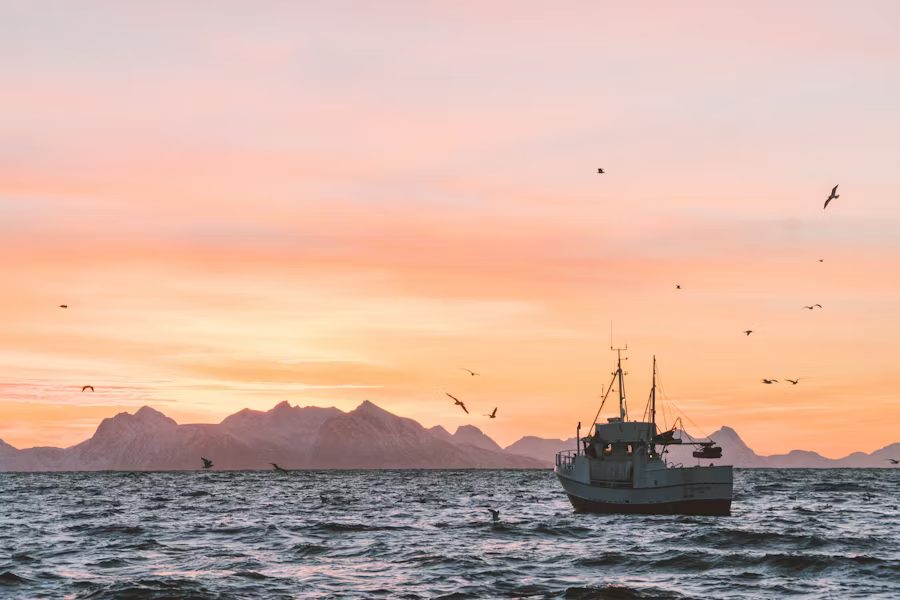
Consider a visitor standing on a dock early in the morning, watching fishing boats prepare to leave the harbor. Without local advice, it is difficult to know which areas are productive or which techniques work best for the season.
A knowledgeable guide can shorten the learning curve significantly. They might point out seabirds diving into the water, explain how to adjust a fishing line, or recommend the best way to handle a sudden change in weather. Even a short guided experience early in a trip can improve the rest of your travel plans.
Closing Thoughts
You’ll likely start out of curiosity. You’ll typically be looking to do something different than what you normally do. Whether it is on land (hiking) or by water (paddling), or if it’s on a boat (spending an hour or two learning how to catch fish with a charter boat), the initial step in most adventure travel is to choose something that will get you out of your normal routine.
It is not necessary to have your first adventure be an extreme adventure. It simply has to be new, accessible, and memorable enough to motivate you to plan another one.
Last Updated on March 4, 2026
